
HOME > News
Why Your Coffee Bags Need One-Way Degassing Valves: The Science of Preservation
Introduction: The Invisible Challenge of Fresh Roasts
For the specialty coffee roaster, the moment the beans exit the cooling tray is a race against time. The beans are at their peak aromatic potential, but they are also in a state of chemical volatility. While the aroma is intoxicating to the consumer, it is accompanied by a byproduct that can ruin both the product and the package: Carbon Dioxide (CO2).
The solution to this "roaster's dilemma" is one of the most significant engineering breakthroughs in flexible packaging history: the one-way degassing valve. At Wanle Packaging, we have been integrating these precision components into our high-performance coffee bags since 1992. With 30 years of experience, we understand that a valve is not just an add-on; it is the heartbeat of a successful coffee packaging strategy.
1. The Chemistry of Coffee Degassing
To understand the necessity of the valve, one must understand the roasting process. During roasting, complex chemical reactions (including the Maillard reaction and Strecker degradation) occur within the coffee bean's cellular structure. These reactions produce significant amounts of CO2 trapped inside the bean.
The Bloating Problem
Once roasted, the beans begin to "degas." A single pound of fresh roasted coffee can release up to 2 liters of gas over several days. If these beans are immediately sealed in a high-barrier, airtight bag (like those made with AL foil or VMPET), the internal pressure will build rapidly. This results in:
● "Ballooning": The bag swells, making it impossible to stack on retail shelves.
● Seal Failure: The pressure eventually exceeds the strength of the heat seals, causing the bag to burst.
● Aroma Loss: If you wait for the beans to finish degassing before packaging (which can take 48-72 hours), you lose the most volatile and precious aromatic compounds.
2. How the One-Way Degassing Valve Works
The one-way valve is a masterpiece of micro-engineering. It acts as a pressure-relief system that operates on a simple but profound principle: letting the bad stuff out while keeping the good stuff in.
The Mechanism
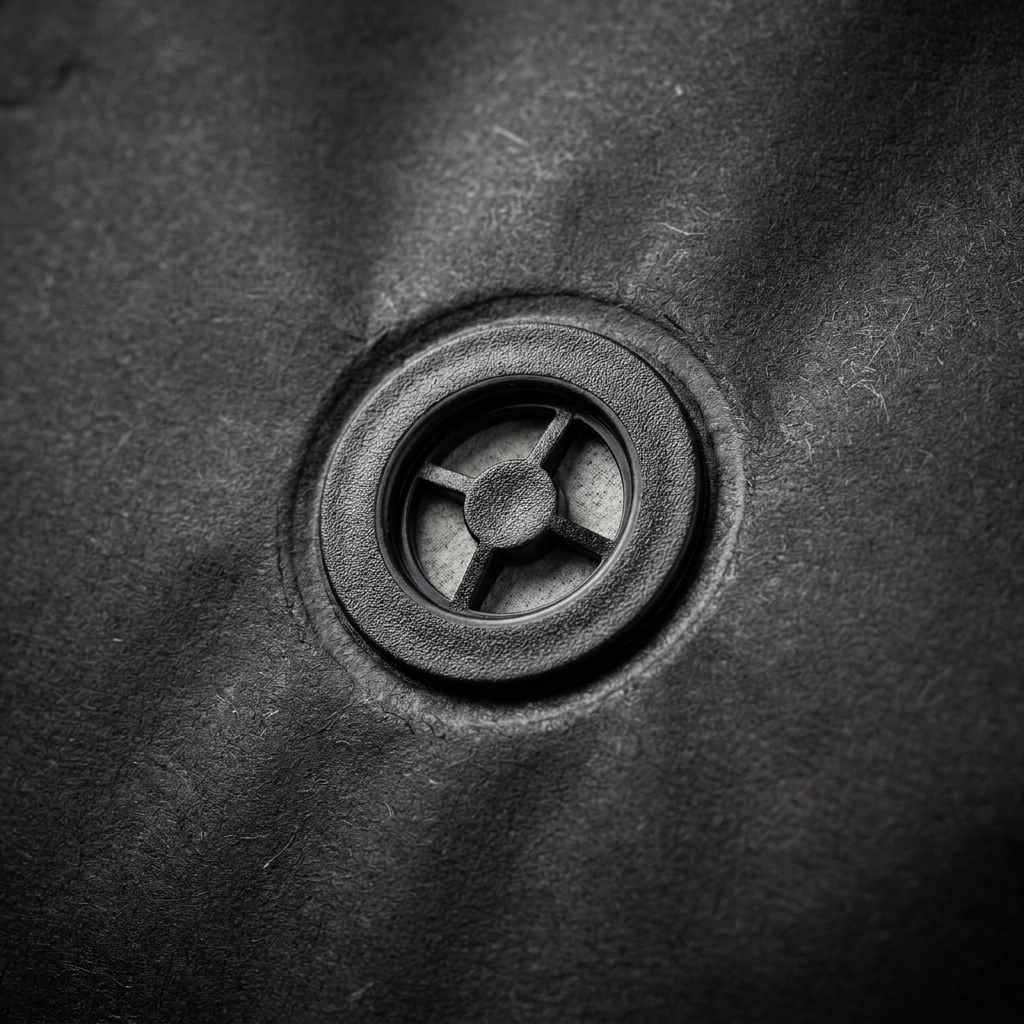
Inside a standard valve (like the ones used by Wanle), there is a small diaphragm or a filter disc.
● Opening Pressure: When the internal pressure of CO2 inside the bag reaches a specific threshold (typically around 0.05 to 0.1 PSI), the diaphragm lifts, allowing the gas to escape.
● Closing Seal: As soon as the pressure drops, the diaphragm reseals. Because of the valve's design and the use of a small amount of viscous liquid (often silicone oil) to create a surface-tension seal, it is physically impossible for outside air—and more importantly, oxygen—to enter the bag.
The Role of Oxygen Exclusion (OTR)
Oxygen is the primary enemy of roasted coffee. It reacts with the lipids (oils) in the bean, leading to oxidation and the characteristic "stale" or "cardboard" taste. By using a one-way valve, a roaster can package coffee immediately, allowing the escaping CO2 to "flush" the remaining oxygen out of the bag, creating a naturally inert, CO2-rich environment that preserves the beans for months.
3. Material Science: Integrating Valves into High-Barrier Films
A valve is only as effective as the bag it is attached to. At Wanle Packaging, we utilize 30 years of expertise in material science to ensure that the integration of the valve does not compromise the bag's integrity.
High-Barrier Structures
We typically recommend multi-layer laminates to maximize the benefits of the valve:
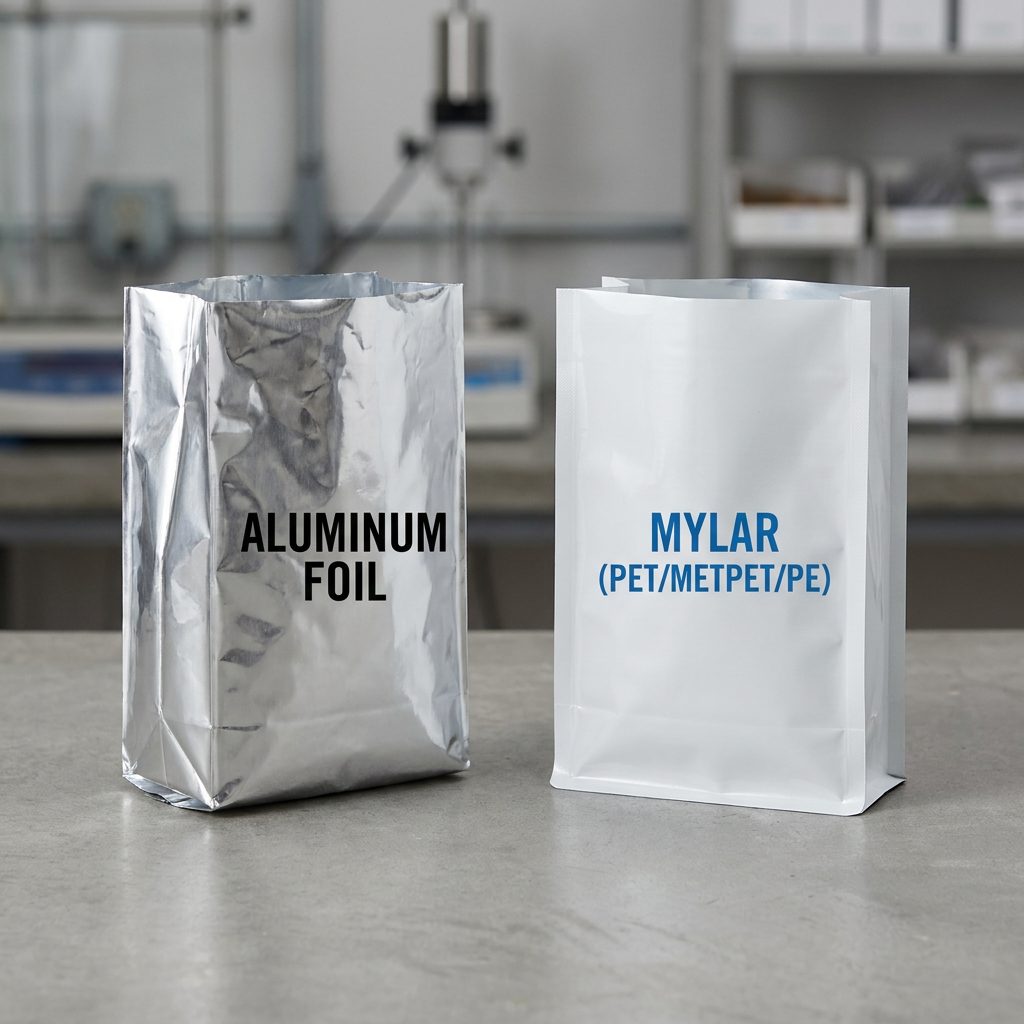
● PET / AL / PE: Aluminum foil provides a literal zero-transmission barrier for both Oxygen (OTR) and Moisture (WVTR). The valve handles the internal gas, while the AL layer handles the external threats.
● MOPP / VMPET / PE: A metallized structure that offers a premium matte finish and excellent barrier properties at a lower cost than foil.
Precision Application
How a valve is applied matters. We use two primary methods:
● Heat-Sealing: The valve is fused to the inner layer of the film using controlled heat and pressure.
● Ultrasonic Welding: For certain materials, especially eco-friendly or sensitive films, we use ultrasonic energy to create a bond that is stronger than the material itself, ensuring zero leaks around the valve perimeter.
4. The Wanle Edge: Digital Printing and Valve Placement
With our HP Indigo 25k digital press, we offer roasters unprecedented flexibility. Traditional manufacturing often restricted valve placement to a few standard spots.
● Custom Placement: Our advanced bag-making lines allow us to place the valve precisely where it won't interfere with your artwork.
● Aesthetic Integration: Because digital printing doesn't require plates, you can design your graphics to "frame" the valve or hide it within a complex pattern, maintaining a clean, premium look.
● Low MOQ Availability: Even for orders as small as 500 bags, Wanle provides the same high-quality, factory-tested valves used by global brands.
5. Case Study: The "Immediate Packaging" Advantage
A roaster in Melbourne, Australia, was struggling with shelf life. They were waiting 24 hours to package their "Specialty Blend" to avoid bag bloating. By the time the coffee reached the customer, it had already lost 15% of its peak aroma.
By switching to Wanle Packaging's stand-up pouches with integrated one-way valves, they began packaging within 1 hour of roasting. The result? The CO2 flush naturally reduced the internal oxygen level to below 1%. Their "roasted-on" freshness now lasted 12 weeks instead of 3, and customer complaints about "flat" coffee disappeared.
6. Frequently Asked Questions (FAQ)
Q: Does the valve affect the recyclability of the bag?
A: Most standard valves are made of PE or PP. If you use our mono-material PE/PE bags with a PE valve, the entire package is recyclable in many municipal streams.
Q: Can I smell the coffee through the valve?
A: Yes! This is a "side benefit." When a customer squeezes the bag, the valve releases a burst of aroma. This sensory experience is a powerful selling tool in retail environments.
Q: Are there different types of valves?
A: Yes. We offer internal valves (hidden under the film with small pinholes) for a sleeker look, and external valves (visible on the surface) which are often preferred for their "industrial" aesthetic.
Q: How do I know the valve won't leak?
A: Wanle Packaging performs rigorous pressure-testing on every batch. We measure the "crack pressure" (when it opens) and "reseal integrity" to ensure 100% performance.
7. Conclusion: Investing in Quality
In the competitive B2B coffee market, the difference between a repeat customer and a one-time buyer is the experience they have when they open the bag. A one-way degassing valve from Wanle Packaging is an investment in that experience.
With 30 years of manufacturing history and the latest in digital printing technology, we provide the technical foundation your brand needs to thrive. Don't let your coffee suffer in silence—give it the room to breathe.
Elevate your preservation strategy today.
Contact Wanle Packaging for valve samples and technical data sheets.
www.wanlepack.com | 30 Years of Excellence in Coffee Packaging.
Related News
- Cost Breakdown: Factors Affecting Wholesale Coffee Bag Prices
- Oxygen and Moisture Barriers: The Science of Coffee Freshness
- Low MOQ Custom Coffee Bags: How Digital Printing is Leveling the Playing Field
- Wholesale Flat Bottom vs. Stand Up Pouches for Coffee: A Strategic Comparison TDK:
- Factory Audit Checklist for Coffee Packaging Suppliers: A Professional B2B Guide
- Custom Coffee Bag Design: Balancing Branding and Preservation
Leave me a message