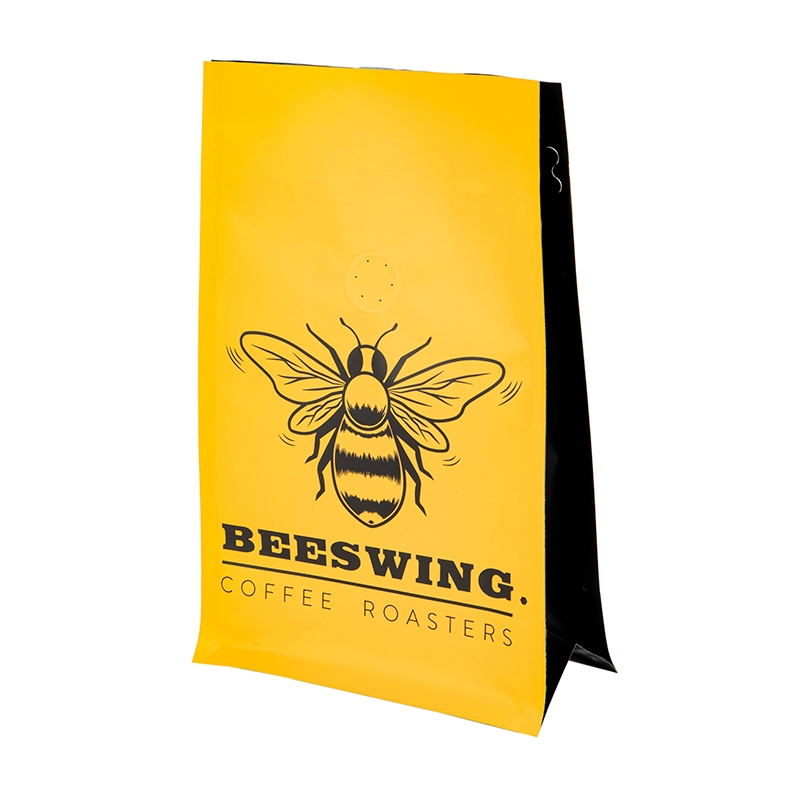

HOME > News
Oxygen and Moisture Barriers: The Science of Coffee Freshness
The second a coffee bean finishes the roasting process, it enters a state of vulnerability. While the roaster has spent years mastering the thermodynamic curves required to unlock the bean's potential, that potential is instantly under attack from the environment. In the packaging world, we call these the "invisible enemies": Oxygen, Moisture, and Light.
Maintaining "roastery-fresh" taste months after packaging is not a matter of luck; it is a matter of material science. At Wanle Packaging, we have spent over 30 years (since 1992) engineering the perfect shield for your coffee. Understanding the technical metrics of OTR (Oxygen Transmission Rate) and WVTR (Water Vapor Transmission Rate) is the difference between a premium brand and a stale commodity.
With our advanced lamination technology and the precision of the HP Indigo 25k digital press, we ensure that your brand's aesthetics are backed by scientific-grade protection.
1. Oxidation: The Aroma Killer and the Role of OTR
Oxygen is the most destructive force in coffee storage. It triggers a chemical reaction called oxidation, which attacks the volatile oils (lipids) and aromatic compounds that give coffee its character.
The Science of Oxidation
When oxygen enters the bag, it breaks down the complex esters and aldehydes responsible for floral and fruity notes. The result is a "flat" cup that eventually turns rancid, tasting like old paper or cardboard.
Measuring the Shield: OTR
The Oxygen Transmission Rate (OTR) measures the amount of oxygen gas that passes through a packaging film over a 24-hour period.
● Low Barrier (OTR > 50cc): Suitable for non-perishables only.
● Standard Barrier (OTR 1-5cc): Suitable for short-term retail.
● High Barrier (OTR < 0.1cc): The Wanle standard for premium coffee. By using Aluminum Foil (AL) or high-grade Metallized Polyester (VMPET), we bring the OTR as close to zero as possible.
2. Moisture Ingress: The Mold Risk and WVTR
Moisture is the second primary threat. Coffee is hygroscopic, meaning it naturally absorbs moisture from the air.
The Impact of Moisture
● Loss of Crispness: Moisture softens the cellular structure of the bean.
● Mold Growth: If the internal humidity of the bag rises above a certain point, it can lead to the growth of invisible molds and mycotoxins.
● Aroma Displacement: As moisture enters the bean, it physically displaces the volatile oils, causing the coffee to lose its "punch."
Measuring the Shield: WVTR
The Water Vapor Transmission Rate (WVTR) measures the moisture permeability of the bag.
● The Wanle Solution: We utilize multi-layer lamination where the middle barrier layer (AL or VMPET) creates a tortuous path for water molecules. Our foil-lined bags typically achieve a WVTR of less than 0.1g/m²/day, ensuring the internal environment remains bone-dry regardless of the external humidity.
3. Light: The UV Threat
Light, particularly ultraviolet (UV) radiation, acts as a catalyst for chemical reactions. It provides the energy needed to speed up oxidation even in a low-oxygen environment.
● Photo-oxidation: This process can degrade the pigments in the coffee bean and break down chemical bonds within flavor molecules.
● The Solution: This is why opaque packaging is essential. While transparent windows are popular for showing off the beans, they are "freshness killers." At Wanle, we recommend 100% opaque structures or the use of UV-blocking coatings for brands that insist on a window.
4. Engineering the Perfect Laminate: Layer by Layer
A coffee bag from Wanle Packaging is a high-tech sandwich. Each layer serves a specific purpose in the battle for freshness.
1. Outer Layer (PET/BOPP/Kraft Paper):
● Function: Provides the surface for high-resolution printing (using the HP Indigo 25k) and offers mechanical strength and heat resistance.
2. Barrier Layer (AL or VMPET):
● Function: The "active shield." Aluminum Foil (AL) provides a literal zero-transmission barrier for OTR and WVTR. Metallized PET (VMPET) offers a cost-effective, high-performance alternative.
3. Tie Layer:
● Function: A specialized adhesive that bonds the different films together, preventing "delamination" (where the layers peel apart).
4. Inner Sealant Layer (PE):
● Function: Food-grade Polyethylene (PE) ensures the beans are safe for consumption and provides the hermetic heat seal that keeps the bag airtight.
5. Case Study: High-Humidity Shipping Challenges
A roaster in Singapore was shipping their specialty beans to customers across Southeast Asia. Despite using "high-quality" bags, customers in high-humidity regions reported that the coffee arrived tasting "dull."
Wanle Packaging analyzed their current bags and found the WVTR was 2.5g/m²/day—sufficient for cool climates but inadequate for the tropics. We switched them to our AL-High Barrier Structure with a WVTR of <0.1g/m²/day. Even in 90% humidity, the coffee now stays at peak freshness for 12 months. The roaster's return rate dropped by 95%.
6. Frequently Asked Questions (FAQ)
Q: Can I get a high OTR/WVTR barrier in a compostable bag?
A: Compostable materials naturally have higher transmission rates than foil. However, Wanle offers "High-Barrier Compostable" films (like NKME) that utilize a cellulose-based barrier to significantly improve performance compared to standard PLA.
Q: How do you test OTR and WVTR?
A: We use specialized laboratory equipment (often called MOCON tests) that exposes one side of the film to a concentrated gas and measures how many molecules pass through to the other side over time.
Q: Does digital printing affect the barrier?
A: No. With our HP Indigo 25k, the ink is applied to the surface of the outer layer and then protected by lamination. The core barrier layers (AL/VMPET) remain untouched and fully functional.
Q: Which is better, AL or VMPET?
A: AL (Foil) is the "ultimate" barrier with near-zero rates. VMPET is an "excellent" barrier that is slightly more flexible and cost-effective. For a shelf life over 12 months, choose AL.
7. Conclusion: Science-Driven Preservation
In the B2B coffee world, "freshness" shouldn't be a marketing buzzword; it should be a technical specification. By understanding and demanding high OTR and WVTR standards, you are investing in the long-term reputation of your brand.
At Wanle Packaging, our 30 years of manufacturing excellence mean we don't just guess at barrier performance—we measure it. Whether you are using our HP Indigo 25k for a small run of 500 bags or our high-speed gravure lines for millions, the science remains the same: complete protection for your craft.
Elevate your technical standards.
Contact Wanle Packaging today for our full technical data sheets and material samples.
www.wanlepack.com | 30 Years of Excellence in Coffee Packaging.
Related News
- Cost Breakdown: Factors Affecting Wholesale Coffee Bag Prices
- Why Your Coffee Bags Need One-Way Degassing Valves: The Science of Preservation
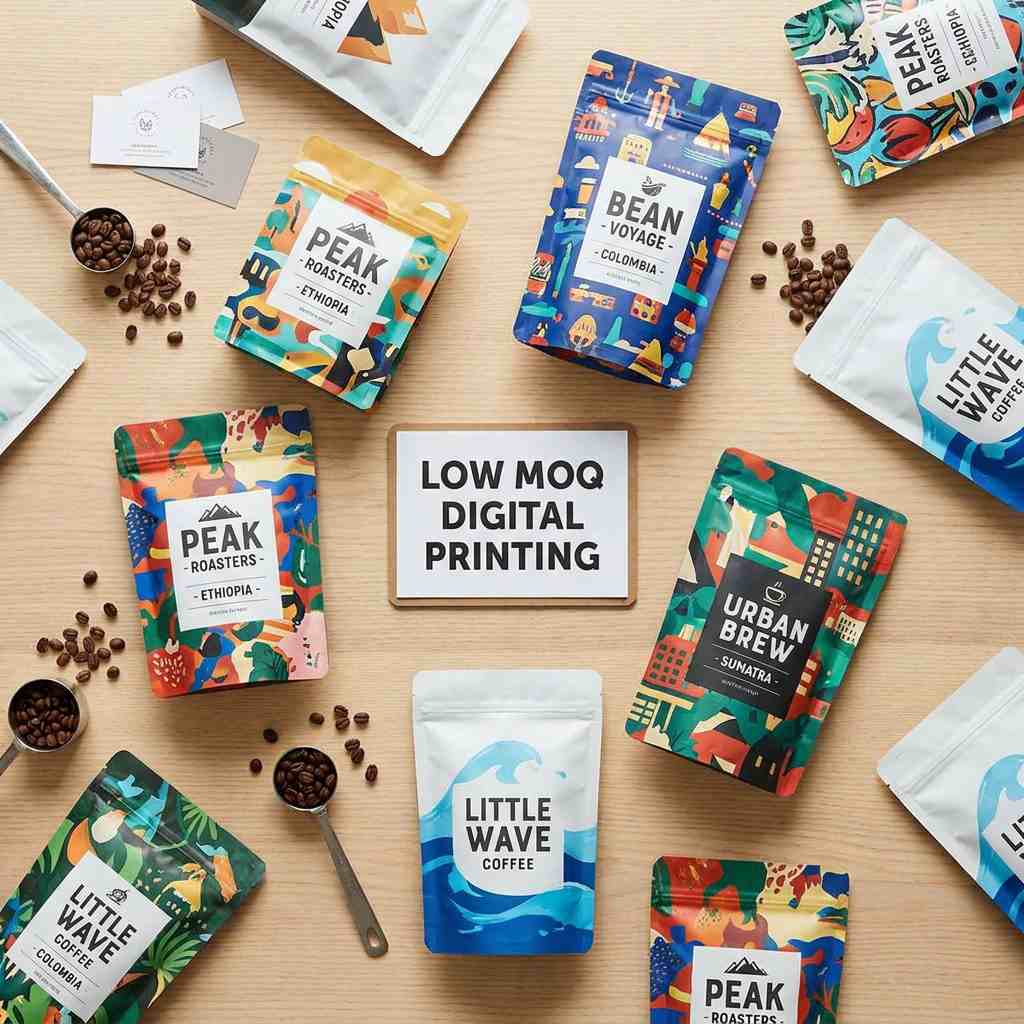
- Low MOQ Custom Coffee Bags: How Digital Printing is Leveling the Playing Field
- Wholesale Flat Bottom vs. Stand Up Pouches for Coffee: A Strategic Comparison TDK:
- Factory Audit Checklist for Coffee Packaging Suppliers: A Professional B2B Guide
- Custom Coffee Bag Design: Balancing Branding and Preservation
Leave me a message