
HOME > Products
Healthy and non-toxic Mylar Bag
What is a Mylar Bag?
A Mylar bag, often called a foil pouch or barrier bag, is a specialized storage solution engineered for maximum protection. Its core component is a metallized polyester film, typically aluminum, laminated to other plastic layers. This construction creates an exceptional barrier against the primary enemies of long-term storage: oxygen, moisture, light, and odors. Unlike simple plastic bags or containers, Mylar bags provide a near-hermetic seal when used with oxygen absorbers, drastically extending the shelf life of contents from years to decades. They are the industry standard for food storage, pharmaceuticals, electronics, and collectibles where preservation is critical.
Key Product Parameters & Specifications
Choosing the right Mylar bag requires understanding its technical specifications. Here are the critical parameters that define performance and suitability.
Laminated layers of polyester (Mylar), aluminum, and often polyethylene. The aluminum layer is the key barrier.
Ranges from 3.5 mil to 7 mil+ (1 mil = 0.001 inch). Thicker bags offer greater durability and puncture resistance.
Measured by Oxygen Transmission Rate (OTR) and Water Vapor Transmission Rate (WVTR). High-quality bags have extremely low rates.
Heat-sealed for a permanent, airtight closure. The quality of the seal is paramount.
Available in a vast array of sizes from small (e.g., 5" x 7") to large drums (e.g., 20" x 30" or bigger).
May include zipper closures (for short-term access), transparent windows, matte or glossy finish, and puncture-resistant layers.
Detailed Mylar Bag FAQs
Q: How long does food last in a Mylar bag with oxygen absorbers?
A: Shelf life is dramatically extended. Dry staples like rice, beans, wheat, and pasta can last 10-25 years or more when properly sealed in a quality Mylar bag with the correct amount of oxygen absorbers. Factors affecting longevity include the initial food moisture content (must be <10%), storage temperature (cooler is better), and the integrity of the seal. This compares to 1-2 years in plastic containers or original packaging.
Q: Can I reuse a Mylar bag?
A: Generally, no. Mylar bags are designed for single-use, long-term storage. The heat seal creates a permanent, fused bond. Attempting to open it will tear the material or compromise the seal integrity. For reusable, short-term barrier storage, consider bags with high-quality zipper closures specifically rated for moisture and oxygen barrier, though these are not equivalent to a heat-sealed bag for decades-long storage.
Q: What size oxygen absorber do I need for my Mylar bag?
A: The size (measured in cc, cubic centimeters of oxygen absorbed) depends on the bag's volume and the residual air. A key rule is to account for the "headspace" - the empty air in the bag after filling. For a full, tightly-packed bag, a common recommendation is 100-300 cc per gallon of bag capacity. For example, a 1-gallon bag often uses a 100cc absorber, while a 5-gallon bucket liner uses a 500cc or 1000cc absorber. Always err on the side of a larger capacity absorber.
Q: How do I properly seal a Mylar bag?
A: Proper sealing is critical. Use a dedicated impulse heat sealer, not a clothes iron or hair straightener, for consistent results. Steps: 1) Fill bag, leaving at least 3 inches of clean space at the top. 2) Add the appropriate oxygen absorber(s). 3) Compress the bag to expel as much air as possible from the top. 4) Wipe the sealing area clean and dry. 5) Apply the heat sealer firmly across the entire width of the bag. 6) Allow the seal to cool completely before handling. Check the seal for any gaps or wrinkles.
Q: Are Mylar bags microwave or freezer safe?
A: No, they are not microwave safe. The metalized layer will cause arcing and sparks in a microwave, potentially causing fire and damaging the appliance. Regarding freezing, while the bag material itself can withstand low temperatures, the seal can become brittle and may crack under physical stress. It is not recommended for direct, long-term freezer use where flexing occurs. Use bags specifically rated for freezing if needed.
Q: What's the difference between Mylar bags and vacuum-sealer bags?
A: This is a crucial distinction. Vacuum-sealer bags (like those used with FoodSaver devices) are primarily designed to remove air to prevent freezer burn and short-to-medium-term spoilage (months). They are not a complete oxygen barrier. Mylar bags, when paired with oxygen absorbers, chemically remove nearly all oxygen and provide a superior, multi-layer barrier against gas and moisture transmission, enabling storage for decades. For true long-term (5+ year) food storage, Mylar with absorbers is the correct method.
Q: Can Mylar bags be used for non-food items?
A: Absolutely. Their protective properties make them ideal for a wide range of items: important documents and photos (protecting from moisture and light), electronic components and circuit boards (preventing oxidation), collectible coins or trading cards (guarding against tarnish and environmental damage), seeds for long-term viability, and sensitive equipment parts in storage. The principle is the same: create an inert, stable environment.
Q: How do I choose the right thickness (mil) for my needs?
A: Thickness correlates with durability and, to some extent, barrier performance. 3.5-4.0 mil bags are suitable for lightweight, non-sharp items like flour or powders. 4.5-5.0 mil is the most popular general-purpose range for food storage (grains, beans) offering an excellent balance of strength, flexibility, and cost. 7.0 mil and above are heavy-duty bags for items with sharp edges (like pasta), extremely long-term archives, or for use inside containers like buckets where extra abrasion resistance is needed.
- View as
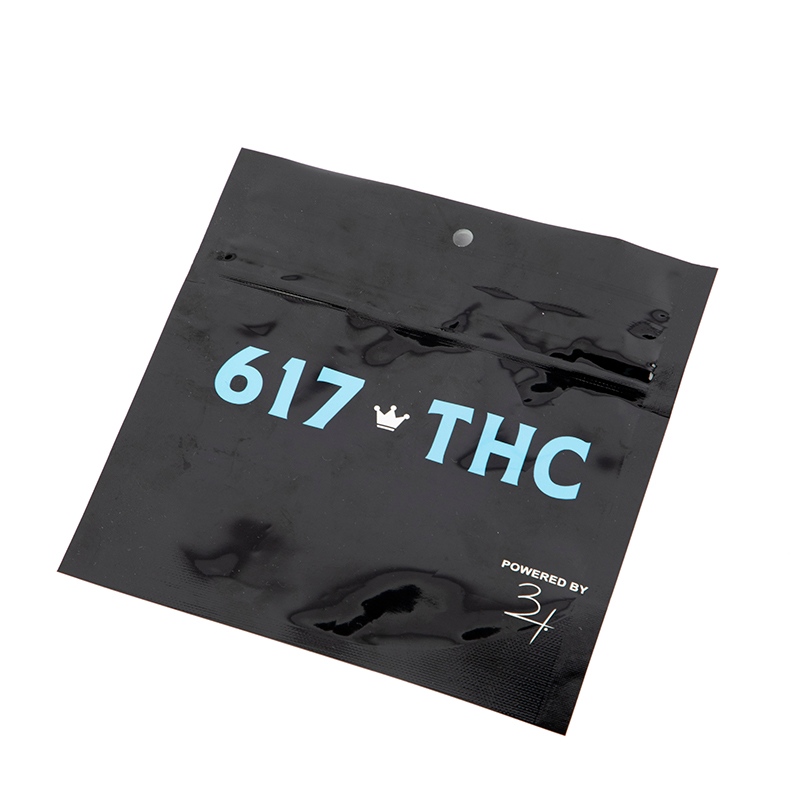
Mylar Bag With Child-Resistent Zipper
Wanle's China Mylar Bag With Child-Resistent Zipper specially paired with a child-resistant zipper, is a very worry-free helper for our daily storage, the Myra bag itself feels solid to the touch and is not the kind of material that breaks easily when pulled. Its surface is smooth and flat, making it suitable for both small household items and things that need to be protected from moisture.
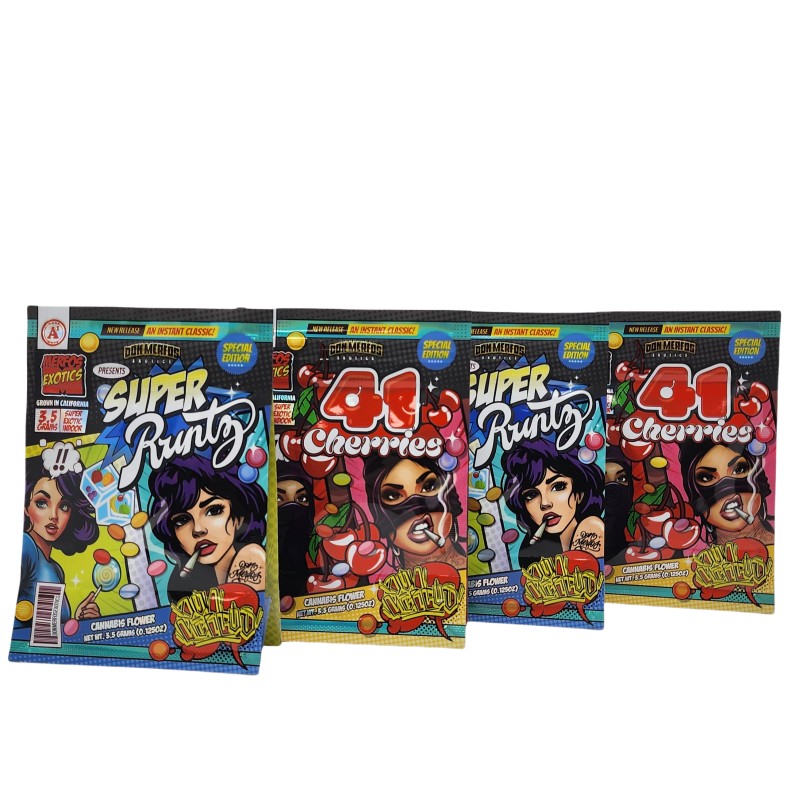
Flat Bottom Bag
Wanle is a professional manufacturer of Flat Bottom bags, this product is a type of Bag that we can use in our daily life, its bottom is designed to be flat, which is different from those bags with irregular bottoms or those that need to be folded by oneself to stand up. Whether it's for daily purchases or storing some small items at home, it can be put to good use, it's a basic bag with strong practicality. It doesn't have a particularly complex structure and is very convenient to hold in hand or place anywhere.
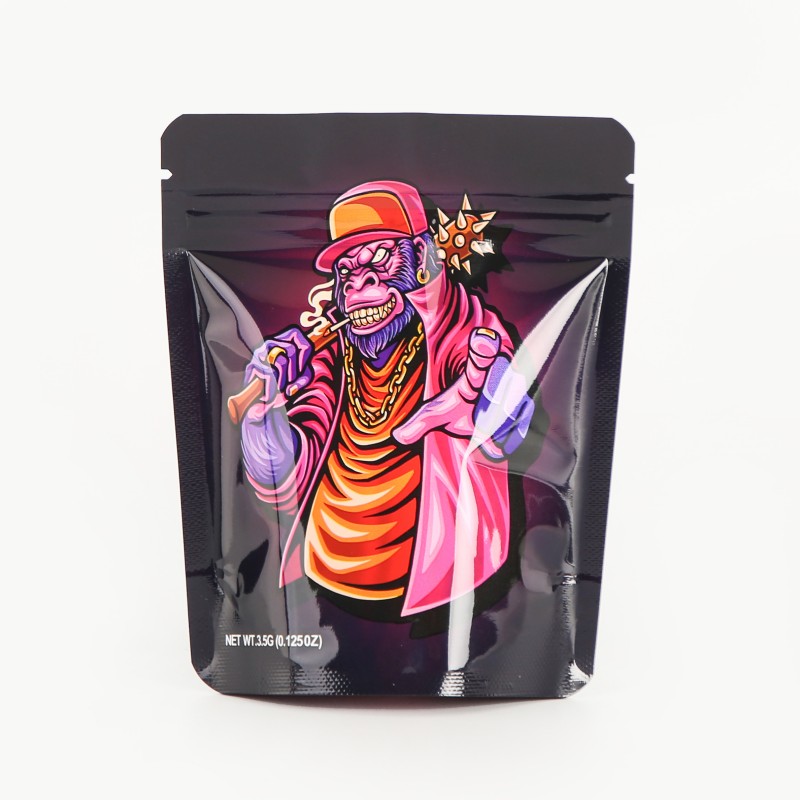
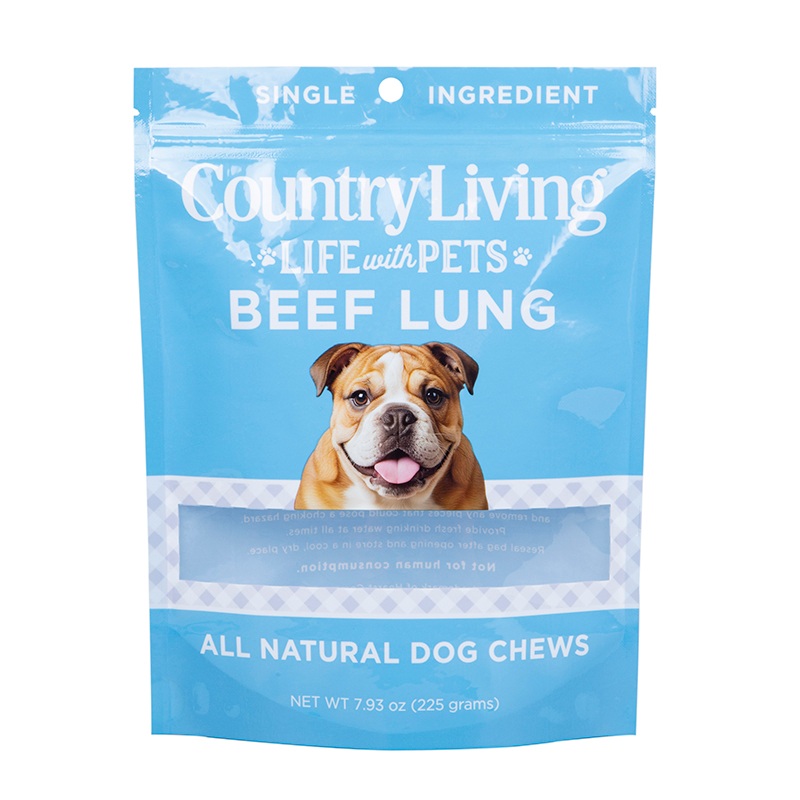
Doypack Mylar Bag
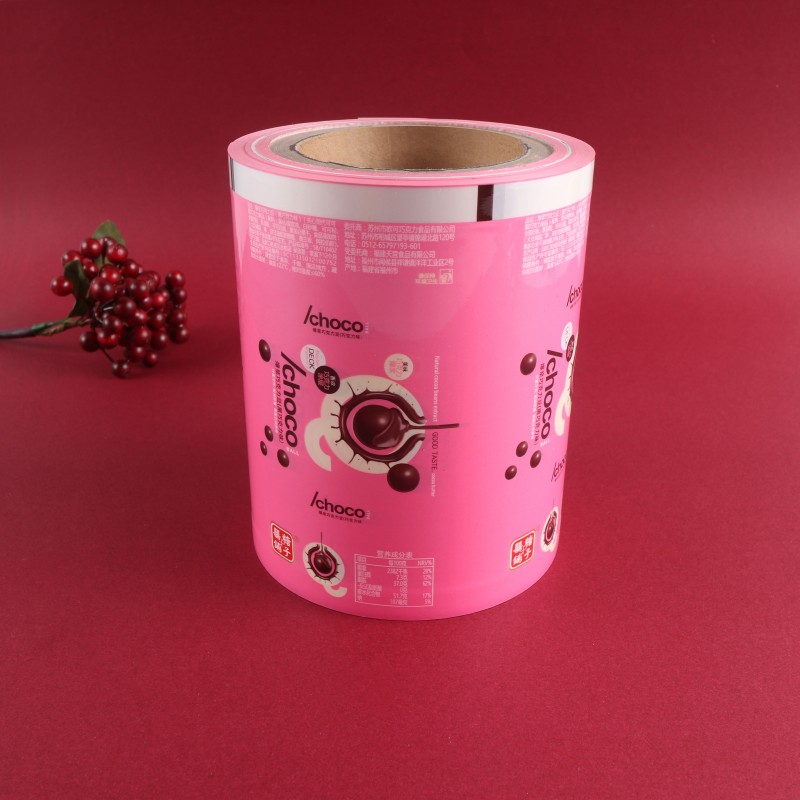
This Doypack Mylar Bag from Wanle is a storage bag used in backpacks, it is made of food-grade Mylar material and is of the same type as the safety film for holding snacks. It feels smooth to the touch and is very resilient, leaving no creases after being squeezed. If you are interested in our products, you are welcome to cooperate with us.
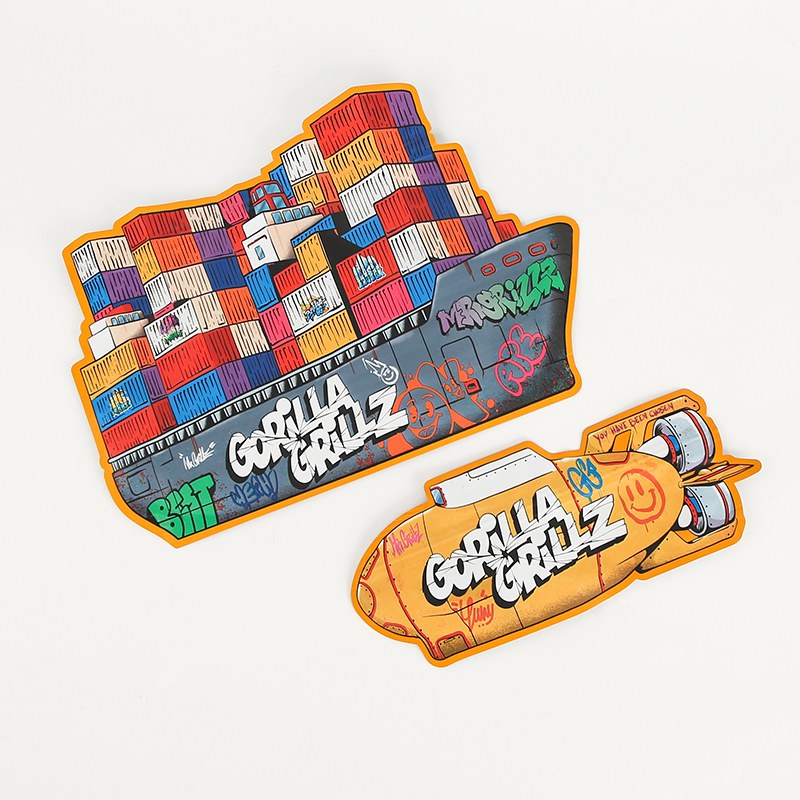
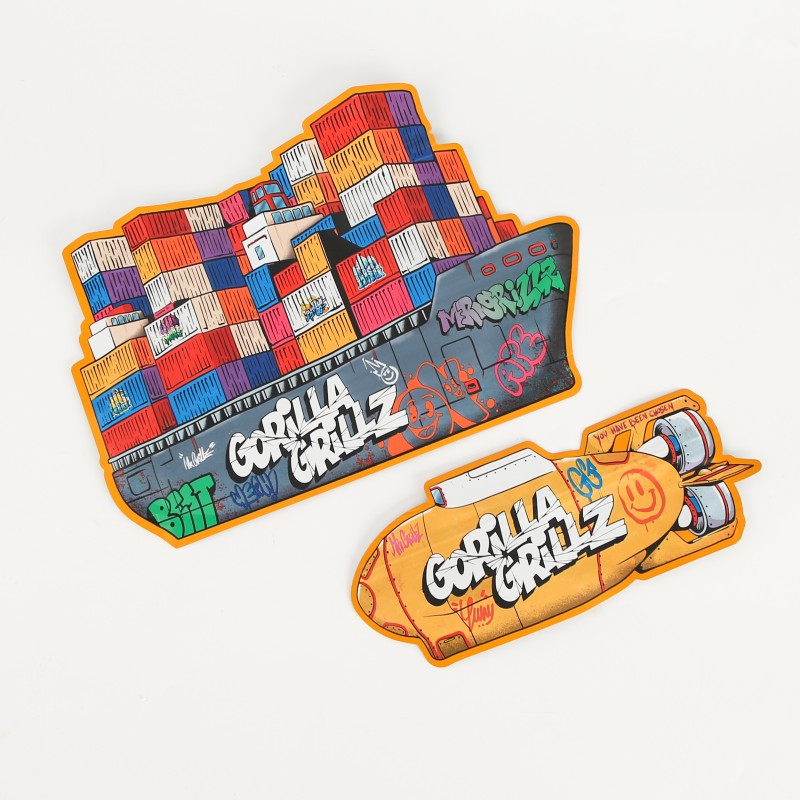
Custom-Shaped Mylar Bag
The Custom-Shaped Mylar bags supplied by Wanle Factory have the most distinctive feature that they can be shaped according to your requirements, not the stereotypical square or round ones. The material is food-grade polyester film. It feels smooth and flexible when touched, and can quickly rebound when pinched, it won't easily wrinkle or deform. There is no strange smell when in direct contact with objects, it is safe to store food or small items.
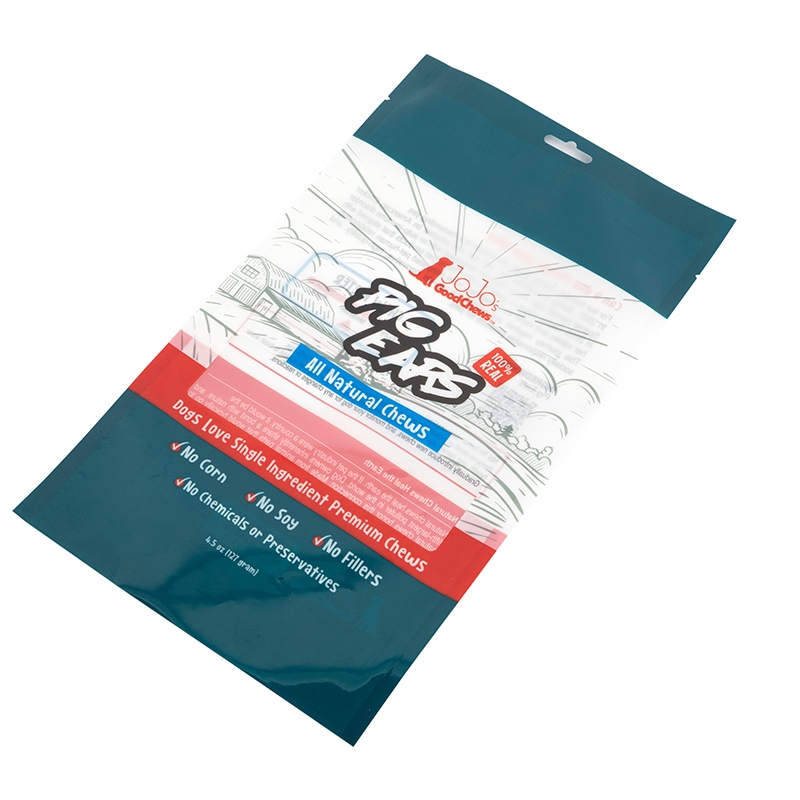
Mylar 3-Side Sealed Bag
The high-quality Mylar 3-Side Sealed Bag produced by Wanle Factory features Mylar material and a design with three sides pre-sealed. When in use, only the remaining opening needs to be dealt with. The material is food-grade Mylar film, it feels firm yet flexible when touched, not a thin material that crumps easily when pinched. There is no unpleasant smell when it comes into direct contact with the contents inside, so you can store anything with peace of mind.
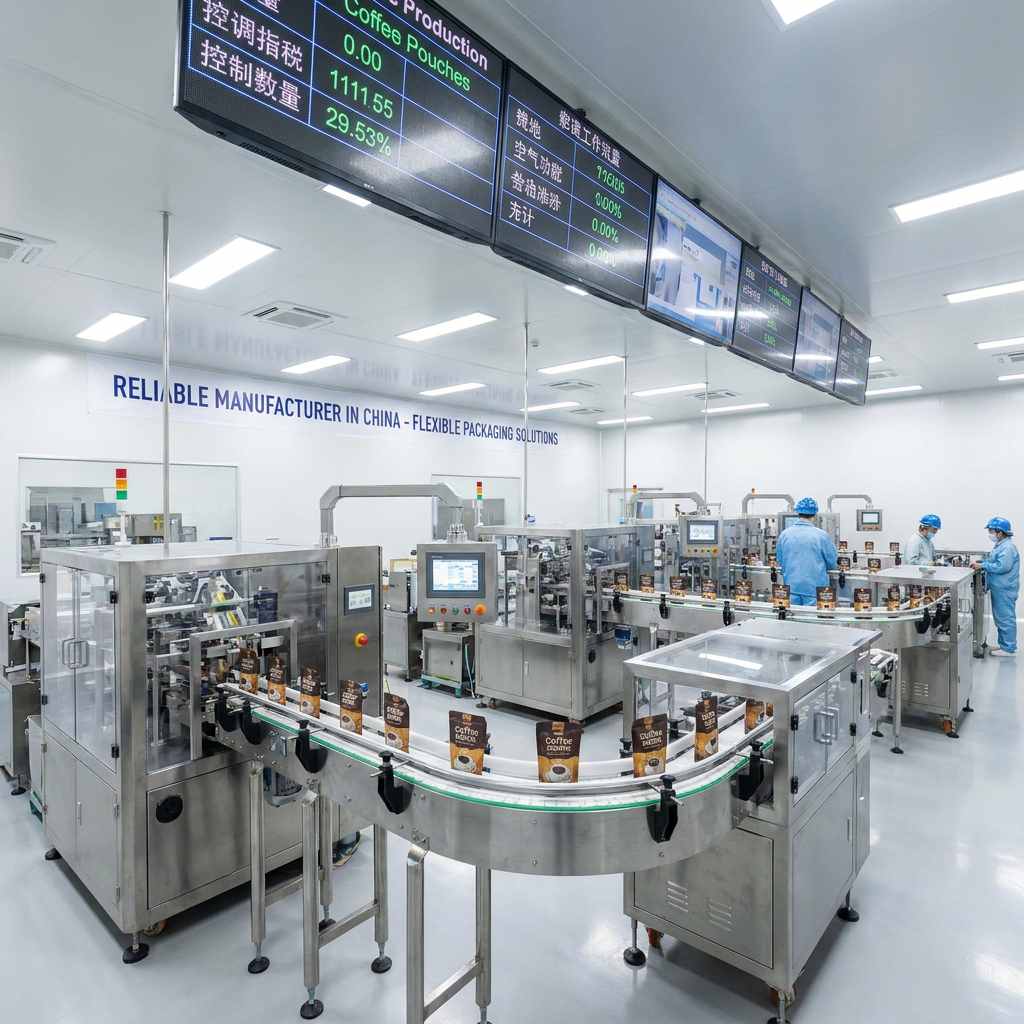
As a reliable Mylar Bag manufacturer and supplier in China, we have custom options and volume discount pricing. Please just send us a quotation!