
HOME > Products
High-quality Coffee bags are used for holding coffee
Discover the Ultimate Coffee Bag for Freshness and Flavor
For coffee enthusiasts and professional roasters alike, the journey from bean to cup is sacred. Central to preserving that journey's integrity is the humble yet crucial coffee bag. It's not just a container; it's a preservation system, a brand statement, and the final guardian of your coffee's complex aroma and taste. A superior coffee bag does more than hold beans—it actively protects them from their greatest enemies: oxygen, moisture, light, and heat. In this detailed guide, we will explore the essential features, technical parameters, and design considerations that define a premium coffee bag, ensuring your coffee arrives at its peak flavor, every time.
What Makes a Professional-Grade Coffee Bag?
The modern coffee bag is a feat of functional packaging engineering. It moves far beyond simple plastic or paper, incorporating multiple layers and innovative features designed to create a stable microenvironment for roasted coffee. The primary goal is to slow down the staling process caused by oxidation and degassing. Here are the core components and parameters that separate amateur packaging from professional solutions.
Essential Technical Parameters & Features
Understanding these specifications will help you choose the right bag for your coffee's needs, whether for single-origin specialty beans or high-volume commercial blends.
High-quality bags typically consist of 3 to 4 layers. The outer layer provides structure and printability, the middle layers are critical barriers, and the inner layer is food-safe and often sealable.
The most critical metrics. Oxygen Transmission Rate (OTR) measures how much oxygen can pass through the material over time. A lower OTR (measured in cm³/m² per day) is superior. Water Vapor Transmission Rate (WVTR) measures moisture barrier effectiveness.
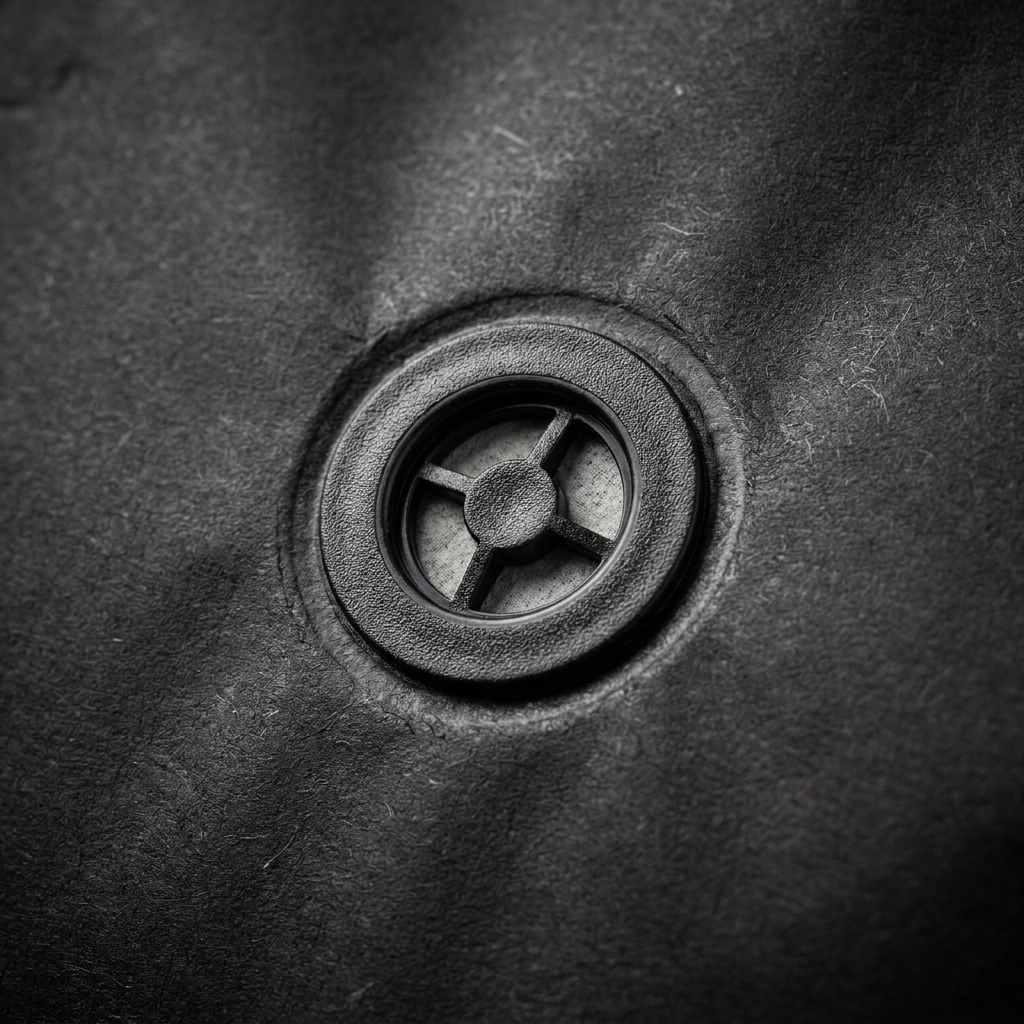
A non-negotiable feature for fresh roasted coffee. This valve allows carbon dioxide (a byproduct of roasting) to escape without letting external oxygen back in, preventing the bag from bursting while maintaining a low-oxygen environment.
Many bags include a metallized layer or use opaque materials to block ultraviolet light, which can degrade coffee oils and accelerate staling.
A strong, airtight seal—usually a heat seal—is vital. Some premium bags feature a resealable zipper or tin-tie to maintain freshness after opening.
Options range from recyclable plastics to compostable films made from plant-based materials like PLA (Polylactic Acid). The choice balances barrier needs with environmental responsibility.
- View as
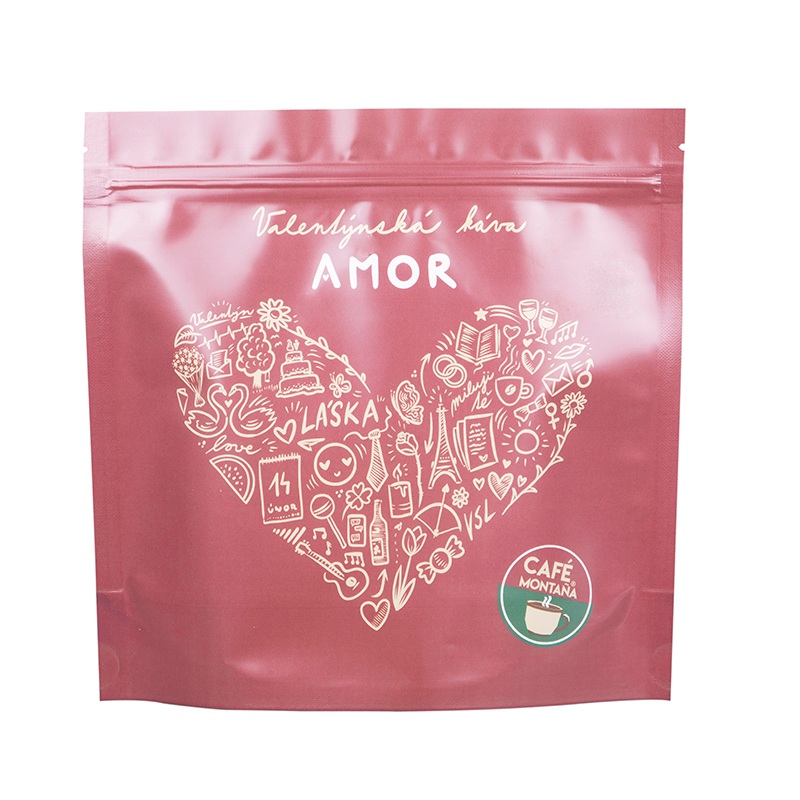
Coffee Bag with Zipper
The Coffee Bag with Zipper produced by Wanle Packaging are specially designed for preserving coffee freshness and facilitating storage, they are suitable for packaging various coffee products such as coffee beans and coffee powder. Whether for home use for small portions or for commercial retail display, they can balance both practicality and aesthetics.

Coffee Powder Quad Sealed Bag
The Coffee Powder Quad Sealed Bag produced by the Wanle supplier is a packaging for the storage of coffee powder, the main feature is the four-way sealing design, which has two more layers of sealing protection than ordinary bags, making it particularly reassuring to hold coffee powder. Welcome to order packaging products from us, our quality will give you peace of mind!

Coffee Powder Bag with Zipper
The Wanle manufacturer specializes in producing high-quality Coffee Powder Bag with Zipper, the bag body is made of several layers of food-grade materials stacked together. It feels thick and heavy, not the kind of thin bag that softens when pinched. We have many years of manufacturing and export experience in the packaging industry, welcome to cooperate with us.

Coffee Powder 3 Side Sealed Bag
Wanle manufacturer offers you high-quality Coffee Powder 3 Side Sealed Bag, our product is made of food-grade composite material, it feels thick when touched and is not the kind of thin material that breaks easily when pulled. All three sides of the bag have been reinforced with sealing treatment, the sealing edges are smooth and solid, and only the opening is designed to be openable and closable.
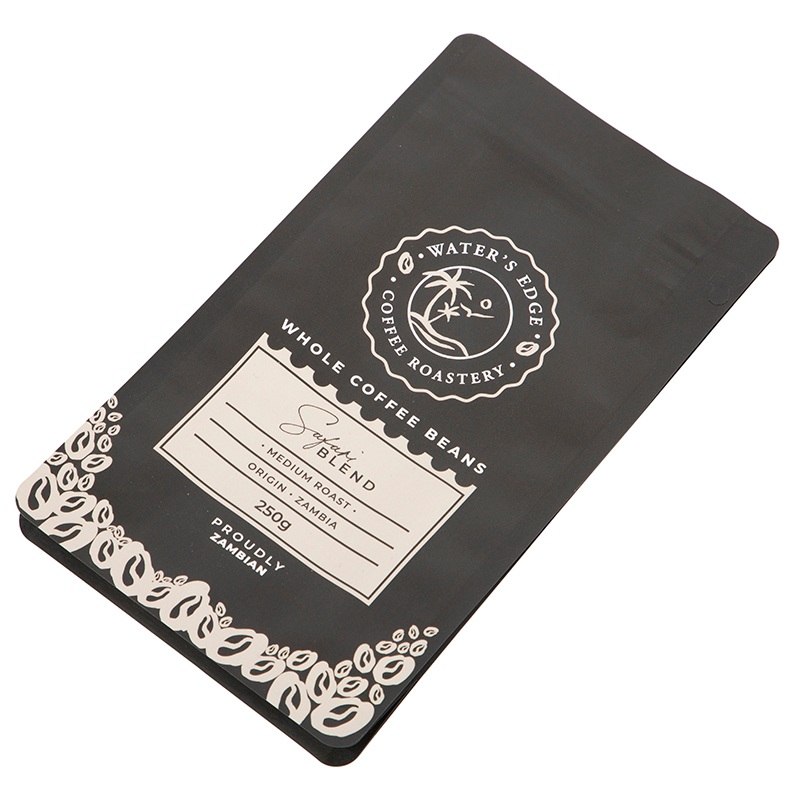
Coffee Stand Up Pouch
The China Coffee Stand Up Pouch produced by Wanle is a packaging product designed for coffee bean storage, it is processed with food-grade composite materials, has a thick touch and is not easy to break. The bag body is in the shape of a rectangular prism as a whole, the bottom adopts a three-dimensional structure design and can be placed upright by itself without external support, it is very stable when placed on a table or a shelf.
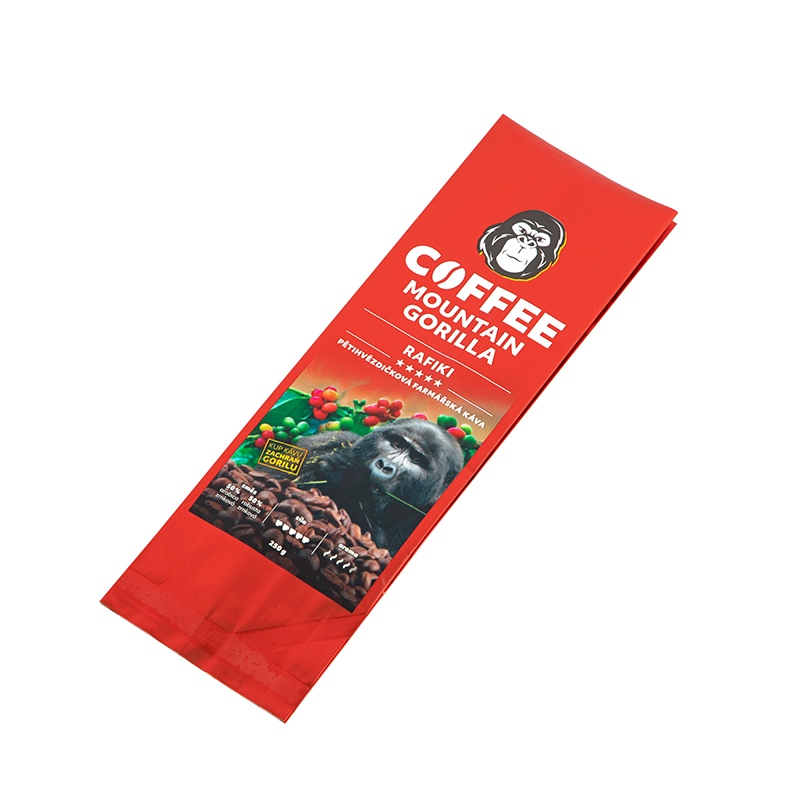
Coffee Side Gusset Pouch
Wanle is a professional manufacturer and supplier of Coffee Side Gusset Pouch, the products we produce are made of food-grade safe materials, have a fine touch and sufficient toughness, and are not easy to break during daily use. The bag body adopts a unique edge folding structure. When storing, the shape of the bag body can be flexibly adjusted according to the amount of coffee beans inside. When full, it is crisp and stylish. When empty, it can be folded for storage, saving space.
As a reliable Coffee Bag manufacturer and supplier in China, we have custom options and volume discount pricing. Please just send us a quotation!