
HOME > News
Coffee Bag Material Comparison: Mylar vs. Foil-Lined vs. Compostable Coffee Bags
Introduction: The Foundation of Freshness
In the professional coffee industry, the "perfect roast" is only half the battle. The other half is ensuring that the roast reaches the consumer with its complex flavors and delicate aromas intact. This is where material science becomes the most important tool in a roaster's arsenal.
Choosing the right material for your wholesale coffee bags is a complex balancing act between three critical factors: Preservation (Barrier Performance), Cost, and Sustainability (Environmental Impact).
At Wanle Packaging, located in China’s manufacturing heartland since 1992, we have spent 30 years testing every imaginable film combination. From the early days of simple plastic pouches to the modern era of high-barrier digital prints using the HP Indigo 25k, we help roasters navigate these choices with data-driven precision.
1. Mylar (VMPET/PET/PE Structures)
"Mylar" is the popular term for Metallized Polyester (VMPET). In the packaging world, this structure is the "workhorse" of the specialty coffee industry.
The Construction
A typical Mylar bag consists of a three-layer laminate:
- Outer: PET (Polyester) for durability and print quality.
- Middle: VMPET (Metallized PET) for barrier properties.
- Inner: LLDPE (Linear Low-Density Polyethylene) for food safety and heat sealing.
Performance Profile
- Oxygen Barrier (OTR): Good (approx. 0.5 - 1.5 cc/m²/day).
- Moisture Barrier (WVTR): Excellent (approx. 0.5 - 1.0 g/m²/day).
- Light Barrier: High, though not 100% opaque like foil.
- Shelf Life: Typically 6 to 12 months.
Best For: Mid-market retail coffee, high-turnover blends, and roasters looking for a premium look without the "foil price tag."
2. Foil-Lined (AL/PET/PE Structures)
When "good" isn't enough, professional roasters turn to Aluminum Foil (AL). Pure aluminum foil is the ultimate barrier material in flexible packaging.
The Construction
Similar to Mylar, but the metallized layer is replaced with a solid layer of ultra-thin aluminum foil (typically 6-7 microns).
- Outer: PET or MOPP (for a matte look).
- Middle: AL (Aluminum Foil).
- Inner: PE (Polyethylene).
Performance Profile
- Oxygen Barrier (OTR): Superior (Near Zero).
- Moisture Barrier (WVTR): Superior (Near Zero).
- Light Barrier: 100% Opaque.
- Shelf Life: 12 to 24 months.
The "Foil Feel": Beyond the numbers, foil-lined bags have a distinct "stiffness" and "memory" (they hold their shape when folded) that consumers often associate with ultra-premium, luxury brands.
Best For: Premium single-origins, "Reserve" lines, long-distance shipping, and long-term retail storage.
3. Compostable and Eco-Friendly Packaging
The industry is shifting. Consumers are increasingly demanding plastic-free or "green" alternatives. At Wanle Packaging, we have developed high-performance eco-structures that don't sacrifice your coffee's soul.
The Options
- Industrial Compostable (PLA/Kraft): Made from plant-based resins like cornstarch. They break down in industrial composting facilities.
- Home Compostable (NK/NKME): Advanced cellulose-based films that break down in garden compost.
- Recyclable (PE/PE): A "mono-material" structure that can be recycled in standard plastic streams.
Performance Profile (The Trade-off)
- Oxygen Barrier (OTR): Moderate to High (varies widely).
- Moisture Barrier (WVTR): Moderate.
- Shelf Life: Typically 3 to 6 months.
The Reality Check: While we use high-barrier compostable films, they naturally "breathe" more than foil. This makes them ideal for local roasters with high inventory turnover, but less suitable for products sitting on supermarket shelves for a year.
4. Technical Comparison Table: The Numbers
| Feature | Mylar (VMPET) | Foil (AL) | Compostable (PLA) |
|---|---|---|---|
| OTR (cc/m²/day) | 1.0 | 0.01 | 15 - 50 |
| WVTR (g/m²/day) | 0.8 | 0.01 | 10 - 20 |
| Puncture Resistance | High | Very High | Moderate |
| Cost Index | 100% (Baseline) | 120-130% | 150-200% |
| Sustainability | Low | Low | Very High |
| Ideal Shelf Life | 9 Months | 18+ Months | 3-4 Months |
5. Case Study: Balancing Brand and Barrier
A specialty roaster in London, UK, wanted to launch an "Eco-Series" for their local subscription box. They initially chose a basic Kraft/Paper bag without a liner. Within 2 weeks, customers complained the coffee tasted "stale."
Wanle Packaging stepped in. We recommended a Compostable High-Barrier Laminate (PLA/NKME). By adding a high-barrier cellulose layer, we improved the OTR by 80% compared to their paper bag. The coffee now stays fresh for 12 weeks—perfect for their subscription model—while maintaining their 100% plastic-free branding.
6. Digital Printing on Different Substrates
One of Wanle’s unique strengths is our HP Indigo 25k digital press. Unlike traditional gravure, which can struggle with the inconsistent surfaces of compostable films or Kraft paper:
- Consistency: Digital printing provides perfect ink adhesion on all three material types.
- Sustainability: Digital printing uses food-safe, water-based inks and produces significantly less waste during setup.
- Low MOQ: You can test a "Foil" vs. a "Mylar" version of your design with as few as 500 bags to see which resonates more with your customers.
7. Frequently Asked Questions (FAQ)
Q: Can I use a degassing valve with compostable bags?
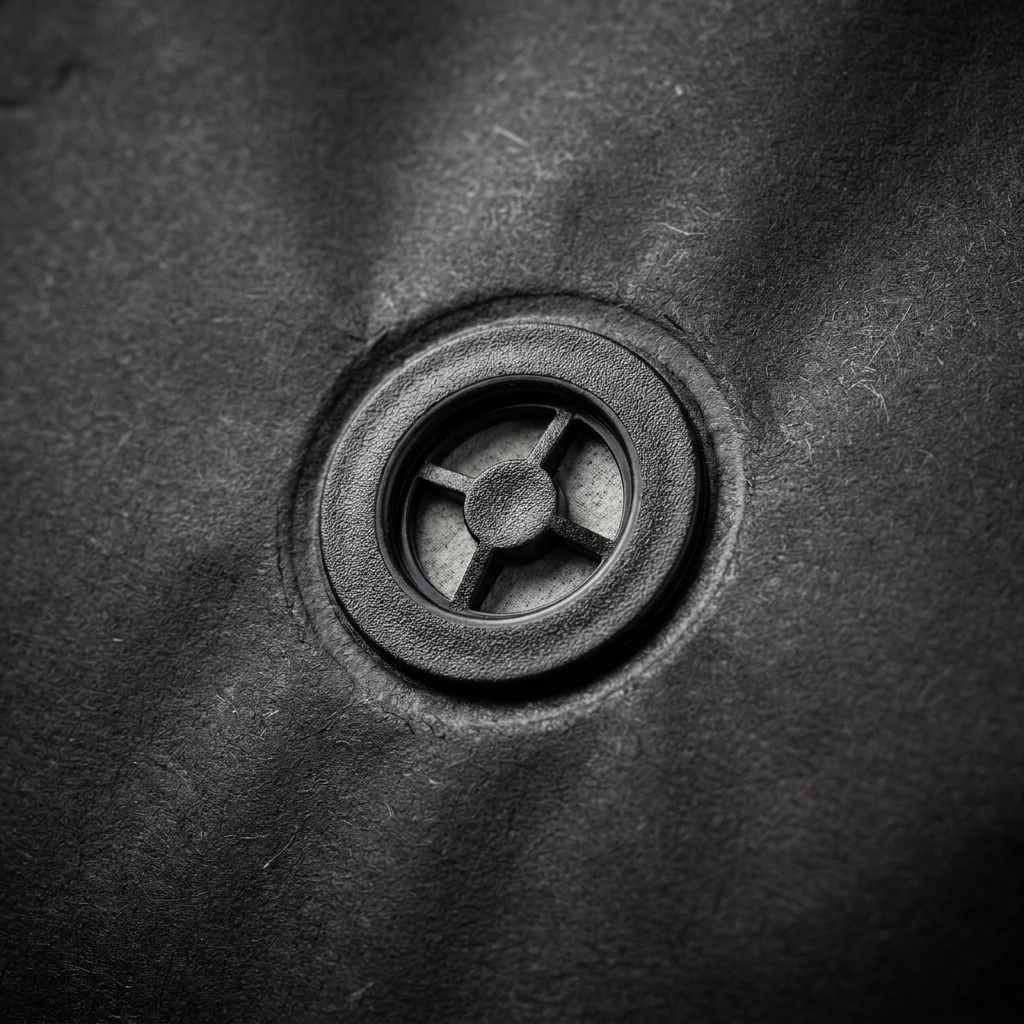
A: Yes. Wanle provides compostable valves made from plant-based materials that match the degradation profile of the bag.
Q: Does the "Matte" finish affect the barrier?
A: No. The "Matte" effect is usually achieved in the outer layer (using MOPP) or with a matte varnish. The barrier is determined by the middle layer (AL or VMPET).
Q: Why is Foil more expensive?
A: Aluminum is a more expensive raw material than plastic, and the lamination process for foil is more technically demanding to prevent "pinholing."
Q: How do I store my empty bags?
A: Keep them in a cool, dry place away from direct sunlight. Even high-barrier bags can degrade over years if exposed to extreme heat or UV.
8. Conclusion: The Wanle Recommendation
With 30 years of manufacturing experience, we’ve learned that there is no "best" material—only the "best material for your business model."
- If you are a high-volume roaster focused on retail value: Mylar (VMPET) is your winner.
- If you are a luxury brand selling "Top Shelf" beans: Foil (AL) is essential.
- If your brand identity is built on sustainability: Compostable is the way forward.
Need a second opinion?
Contact Wanle Packaging today. Our technical team can provide samples of all three materials so you can perform your own "cupping and aging" tests.
www.wanlepack.com | 30 Years of Excellence in Coffee Packaging.
Related News
- Cost Breakdown: Factors Affecting Wholesale Coffee Bag Prices
- Oxygen and Moisture Barriers: The Science of Coffee Freshness
- Why Your Coffee Bags Need One-Way Degassing Valves: The Science of Preservation
- Low MOQ Custom Coffee Bags: How Digital Printing is Leveling the Playing Field
- Wholesale Flat Bottom vs. Stand Up Pouches for Coffee: A Strategic Comparison TDK:
- Factory Audit Checklist for Coffee Packaging Suppliers: A Professional B2B Guide
Leave me a message