
HOME > Products
High quality Cold Laminated Roll Film
In the realm of surface protection and enhancement, Cold Laminated Roll Film stands as a cornerstone technology for professionals across numerous industries. Unlike traditional thermal lamination, cold lamination utilizes pressure-sensitive adhesives activated at room temperature. This process offers unparalleled versatility, safeguarding printed materials, signages, documents, and surfaces from wear, tear, UV fading, moisture, and stains. For businesses seeking durable, high-quality finishes without the need for heat, understanding the technical specifications and applications of cold laminated roll film is paramount for achieving optimal, long-lasting results.
What is Cold Laminated Roll Film?
Cold laminated roll film is a multi-layer material consisting of a clear polyester (PET) or polypropylene (PP) film coated with a pressure-sensitive adhesive (PSA) and a protective silicone release liner. The lamination process involves passing the substrate (e.g., a printed graphic) and the film through a set of pressure rollers, which activates the adhesive and bonds the film permanently to the surface. This method is ideal for heat-sensitive materials like inkjet prints, certain vinyls, and documents, providing a robust protective layer that enhances color vibrancy and adds physical strength.
Frequently Asked Questions (FAQ)
Q: What are the main advantages of cold lamination over hot lamination?
A: Cold lamination offers several key benefits. It is safe for heat-sensitive materials like latex, dye-sublimation, and solvent prints, preventing ink smudging or media warping. The equipment is generally more affordable and portable, with no warm-up time required, allowing for faster project turnaround. It also tends to be more forgiving during application, as the adhesive allows for some repositioning before final pressure is applied.
Q: Can cold laminated roll film be used for outdoor applications?
A: Yes, many cold laminated films are specifically engineered for outdoor use. Look for films with high UV resistance ratings, often described as "outdoor durable" or with a specified number of years of fade resistance (e.g., 3-year, 5-year). These films contain UV inhibitors that protect both the film itself and the underlying print from sun damage. A laminate with a gloss finish can also provide an additional protective barrier against moisture and pollutants.
Q: How do I choose between a Gloss, Matte, or Satin finish?
A: The choice depends on aesthetic preference and functional need. Gloss maximizes color vibrancy and creates a modern, high-impact look, but it can show fingerprints and glare under bright lights. Matte eliminates glare, is ideal for text-heavy materials as it improves readability, and hides fingerprints and minor scratches better. Satin/Silk offers a balance, providing some color enhancement without the high shine of gloss, making it a versatile choice for both graphics and documents.
Q: What is the difference between a permanent and removable adhesive?
A: A permanent adhesive forms an immediate and strong bond with the substrate. Once applied, it is very difficult to remove without damaging the underlying material. This is the standard for most protective and long-term applications. A removable adhesive is designed to allow the laminate to be peeled off cleanly after a period, which can range from days to several months. This is perfect for short-term promotions, rental signage, or protecting items in transit.
Q: What are the most common application errors and how can I avoid them?
A: Common errors include dust contamination, air bubbles, and misalignment. To avoid them, always work in a clean environment and use a static brush to clean the substrate and film liner before application. Use a quality cold laminator with even pressure rollers. Start by applying a small section and use a squeegee or application card to slowly bond the film while smoothing outwards from the center to push air bubbles to the edges. For large graphics, the "hinge method" is recommended.
Q: Is cold laminated film compatible with all types of inks and printers?
A: While broadly compatible, it is crucial to check compatibility, especially with new ink technologies. It works excellently with solvent, eco-solvent, UV-curable, and latex inks. For dye-sublimation prints on polyester fabrics, specific low-tack films are recommended. Always perform a test lamination on a sample print. Allow ink to fully cure (usually 24 hours) before laminating, as outgassing from uncured ink can cause hazing or adhesive failure.
Q: How should I store unused rolls of cold laminate?
A: Proper storage is essential to maintain performance. Store rolls upright in a cool, dry place away from direct sunlight and heat sources. The ideal temperature range is between 15°C and 25°C (59°F to 77°F) with relative humidity between 40% and 60%. Keep the film in its original packaging until use to protect it from dust and moisture. Always handle the rolls by the core to avoid edge damage.
- View as
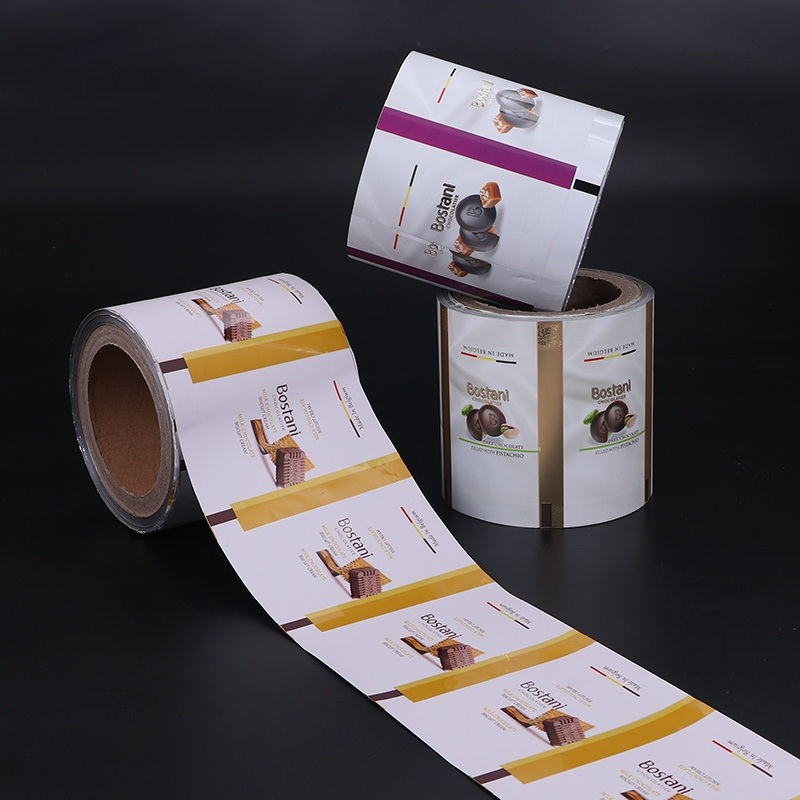
Cold Laminated Roll Film for Other
The Cold Laminated Roll Film for Other supplied by Wanle is different from the roll film for food, it is a packaging material designed for non-food items, the core still lies in the cold folding feature. There is no need for heating. It can be sealed by simply folding and pressing by hand, and the operation is particularly simple, the material selected is durable film, which feels solid to the touch and is not the kind that breaks easily with a poke, it is particularly reassuring to use it to wrap small items.
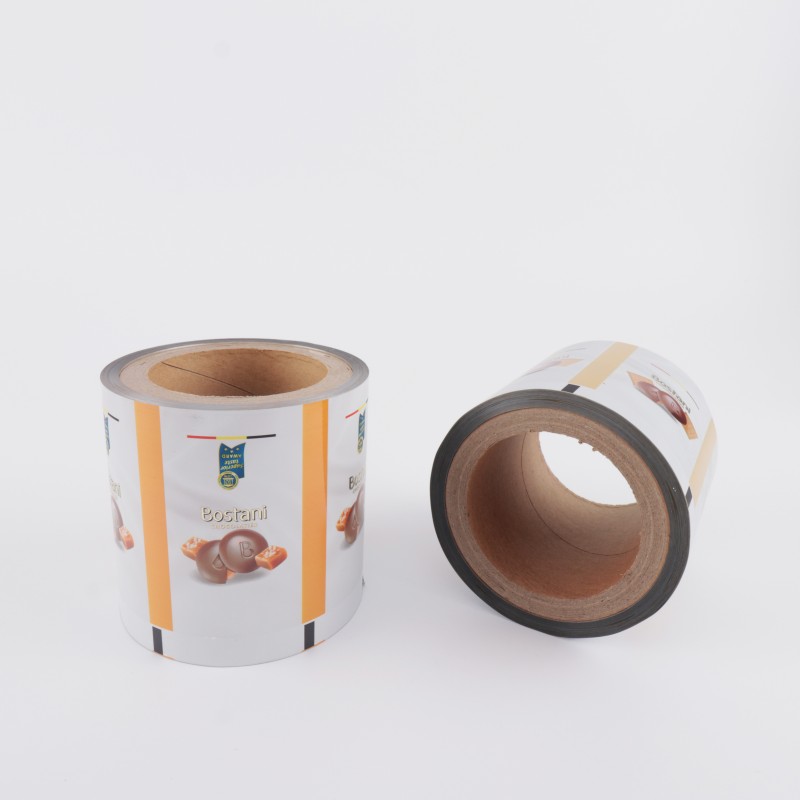
Food Cold Laminated Roll Film
Wanle offers you high-quality Food Cold Laminated Roll Film, which is a material specifically designed for packaging all kinds of food, the core is cold stacking. It can be stacked and sealed by hand without heating. It is particularly suitable for daily use, the material has passed food contact testing, it feels thick and resilient when touched, and there will be no strange taste when in direct contact with bread, pickled foods, etc.
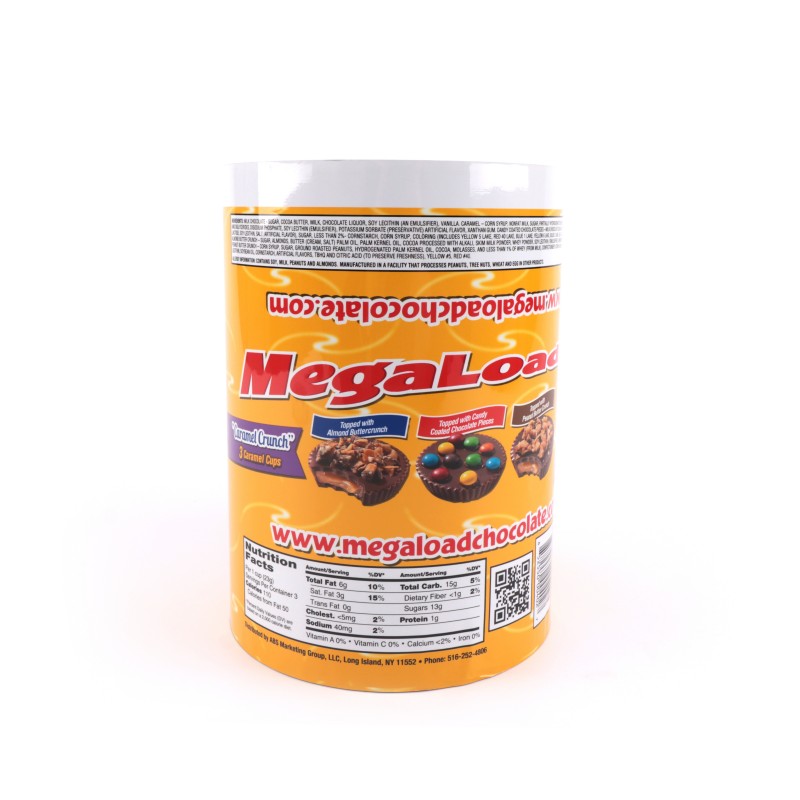
Chocolate Cold Laminated Roll Film
The Wanle factory specializes in manufacturing Chocolate Cold Laminated Roll Film, which is a custom packaging material for chocolate, its most distinctive feature is that it can firmly adhere to the surface of chocolate without high-temperature treatment, precisely solving the problem that chocolate is prone to melting due to heat. The material is of food contact grade and is safe even when in direct contact with chocolate, there will be no unpleasant smell that affects the rich flavor of the chocolate itself.
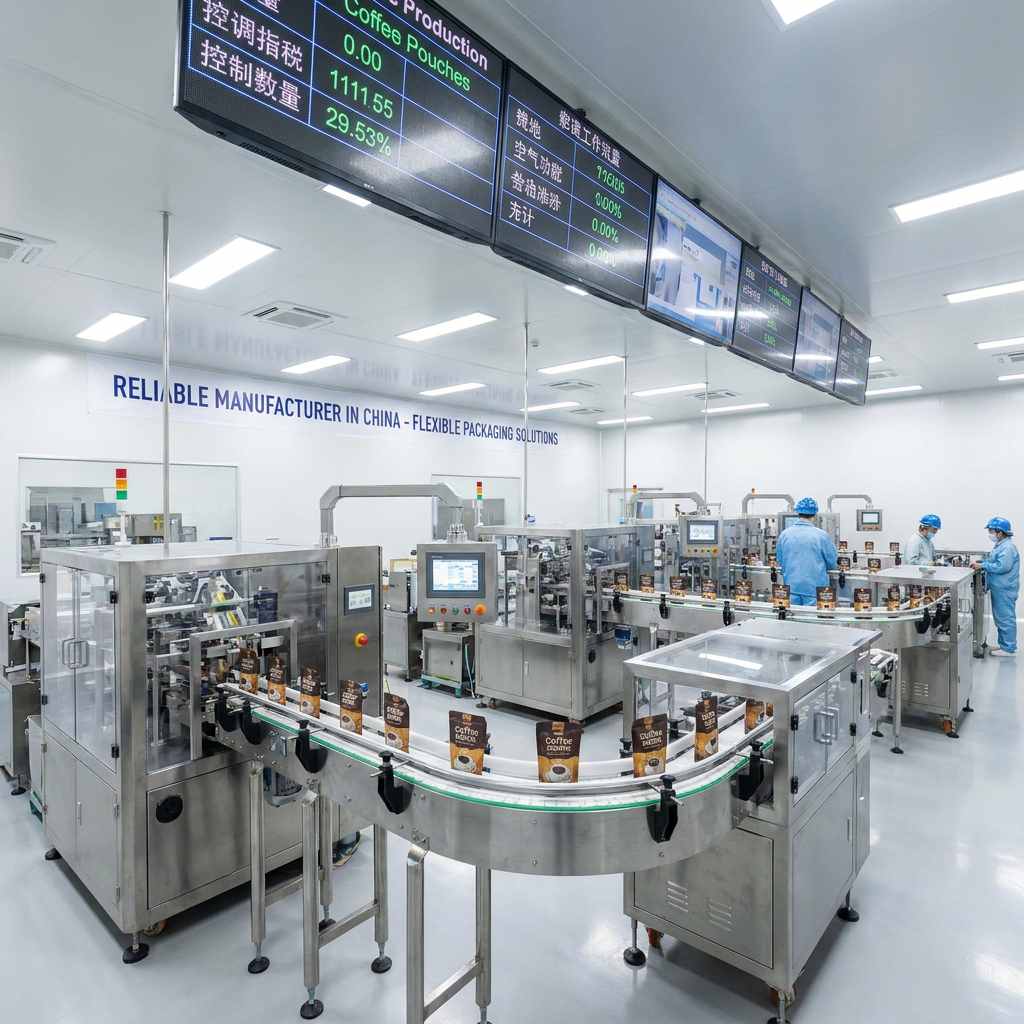
As a reliable Cold Laminated Roll Film manufacturer and supplier in China, we have custom options and volume discount pricing. Please just send us a quotation!