
HOME > Products
High-quality Roll Film
What is Roll Film?
In the world of traditional photography, Roll Film remains a cornerstone for enthusiasts and professionals who cherish the tangible, deliberate process of capturing images. Unlike instant digital results, roll film photography involves a physical medium—a strip of flexible plastic coated with light-sensitive emulsion—wound onto a spool. This format demands skill and intention, from loading the film in a camera to developing it in a darkroom. The unique characteristics of film grain, dynamic range, and color rendition continue to offer an aesthetic that digital often strives to emulate. For many, using roll film is not just a photographic choice but a connection to the art form's rich history and a mindful creative practice.
Core Product Parameters & Specifications
To make an informed choice for your photographic projects, understanding the technical specifications of roll film is crucial. Below is a detailed breakdown of the key parameters that define our high-quality roll film products.
Primary Film Characteristics
Refers to the physical size of the film. The most common format for still photography is 135 (35mm), but 120 (medium format) is highly popular for its larger negative size, yielding superior detail and tonality.
Indicates the film's sensitivity to light. A lower ISO (e.g., 100) is less sensitive and requires more light but produces finer grain. A higher ISO (e.g., 400, 800) is more sensitive, suitable for lower-light conditions, with more apparent grain.
Categorized mainly into Color Negative (C-41 process), Black & White Negative, and Color Positive/Slide (E-6 process). Each offers distinct color palettes, contrast levels, and development pathways.
The standard number of frames per roll. For 135 film, this is typically 24 or 36 exposures. 120 film varies by camera format but commonly offers 12 (6x6cm) or 16 (6x4.5cm) exposures.
The film's ability to capture detail in both very bright highlights and deep shadows. Generally, color negative film has a wider dynamic range than slide film.
The visible texture of the silver halide crystals in the emulsion. Finer grain is associated with lower ISO films and contributes to sharper, more detailed images.
Describes the intensity and accuracy of colors rendered by the film. Some films are known for vibrant, saturated colors, while others produce more muted, natural tones.
Roll Film FAQ: Your Questions Answered
General Usage & Handling
Q: How should I store my unshot and exposed roll film?
A: For long-term storage, keep unshot film in its original packaging in a refrigerator (not freezer) at approximately 13°C (55°F) or lower. Allow the film to reach room temperature for several hours before use to prevent condensation. Exposed film should be developed as soon as possible. If delay is unavoidable, store it in a cool, dry, and dark place, but avoid long-term refrigeration after exposure.
Q: What is the difference between 135 and 120 roll film?
A: 135 film, commonly called 35mm, is housed in a light-tight cassette and is used in smaller SLR and rangefinder cameras. The image frame is 36x24mm. 120 film is a roll of film with a backing paper, used in medium format cameras. It produces a much larger negative (e.g., 6x6cm, 6x7cm), resulting in significantly higher resolution, finer apparent grain, and greater detail in enlargements. The choice depends on your camera system and desired image quality.
Q: Can I reuse a roll film?
A: No, roll film is a one-time-use analog medium. Once exposed and developed, the chemical changes on the emulsion are permanent. You cannot "erase" or reshoot on the same strip of film.
Technical & Shooting Questions
Q: What does "pushing" or "pulling" film mean?
A: Pushing film means rating it at a higher ISO than its box speed (e.g., shooting ISO 400 film at 800) and then compensating with extended development time. This increases effective sensitivity for low-light but also increases contrast and grain. Pulling is the opposite: rating it at a lower ISO (e.g., shooting ISO 400 at 200) with reduced development, yielding lower contrast and finer grain. This must be communicated to your lab during development.
Q: Why are my film scans or prints grainy or lacking sharpness?
A: Graininess can be caused by using a high-ISO film, underexposure, or aggressive scanning settings. Ensure you meter correctly for your scene. Lack of sharpness can stem from camera shake, poor lens quality, inaccurate focus, or a low-resolution scan. Using a tripod, a sharp lens, proper focusing technique, and requesting high-resolution scans from your lab will mitigate these issues.
Q: How does film handle overexposure and underexposure compared to digital?
A: Color negative film has a remarkable tolerance for overexposure, often retaining highlight details well. It is generally less forgiving of severe underexposure, where shadows can become muddy and lack detail. Slide film has less latitude and requires more precise exposure. A good rule for negative film is "expose for the shadows," meaning ensure your shadows have enough light, while highlights often take care of themselves.
Development & Processing
Q: Can I develop color film (C-41) and black & white film at home?
A: Yes, but the processes differ. Black & white development is more accessible for beginners, requiring a developer, stop bath, fixer, and precise temperature control (around 20°C). The chemistry is more forgiving and allows for creative experimentation. C-41 color negative and E-6 slide processes require stricter temperature control (usually 38°C / 100.4°F with minimal variance) and more consistent chemical mixing. While possible at home, it is often more challenging for newcomers. Many photographers start with B&W and progress to color.
Q: What is the shelf life of roll film?
A: The shelf life depends on storage conditions. Film stored at room temperature typically has an expiration date 2-3 years from manufacture, after which colors may shift and speed may decrease. Refrigerated or frozen film can retain its characteristics for decades. High-speed films (ISO 800+) degrade faster than slower films. It's always best to use film before its expiration date for optimal results.
Q: What are the common development processes, and can I cross-process film?
A: The standard processes are C-41 for color negatives, E-6 for color positives/slides, and various chemistries for black & white (e.g., D-76, HC-110). Cross-processing involves developing film in chemistry meant for another type, most commonly developing E-6 slide film in C-41 chemicals. This creates strong color shifts, high contrast, and unpredictable results, often used for artistic effect. It must be done intentionally, and you should inform your lab if that is your goal.
- View as
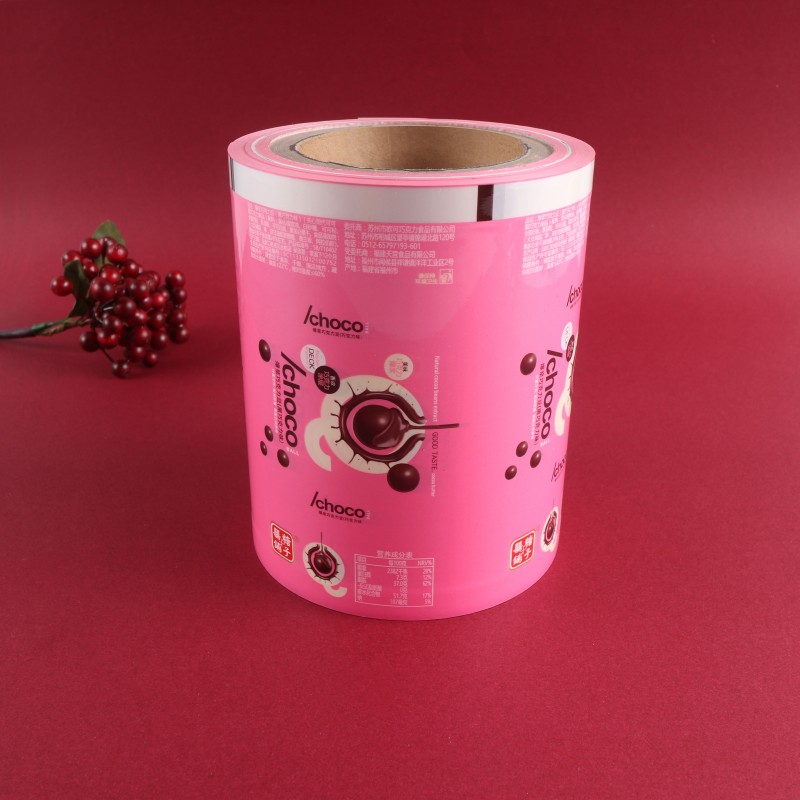
Hot Laminated Roll Film for Other
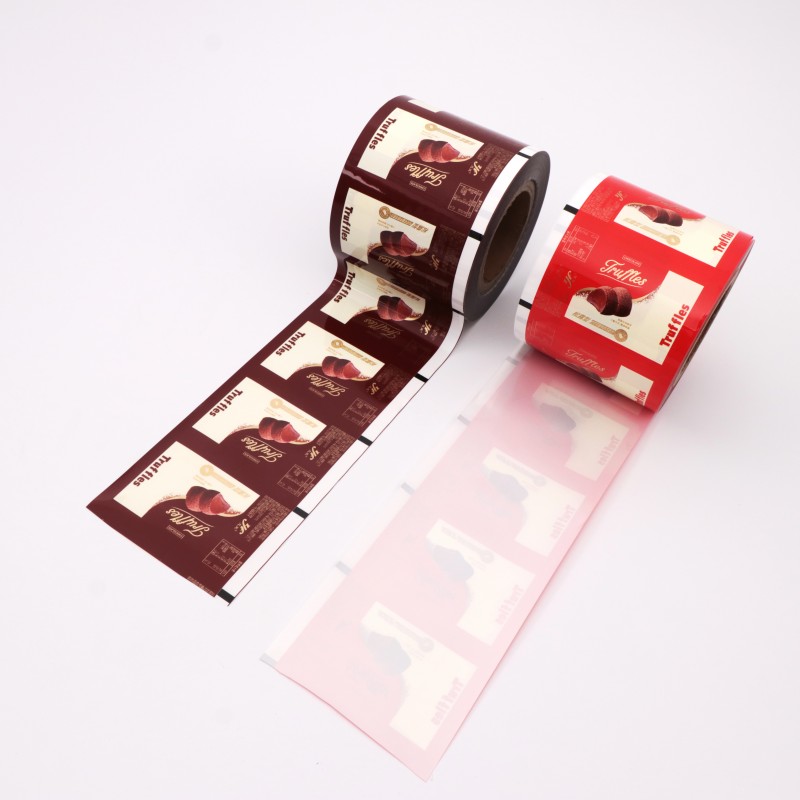
The high-quality Hot Laminated Roll Film for Other, supplied by Wanle manufacturer, is different from food packaging, it is not used for food packaging. It is specially designed for packaging various non-food small items. The core is still hot-pressing sealing, just heat it up with a special tool, and the seal will be extremely strong, not even easy to tear open.
Pet Food Hot Laminated Roll Film
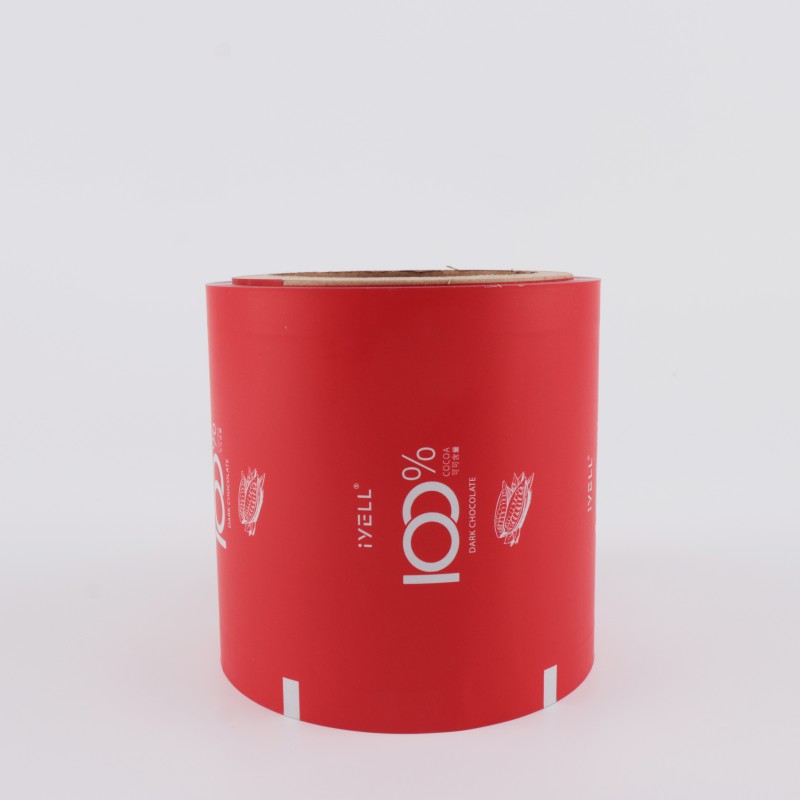
Wanle 's China Pet Food Hot Laminated Roll Film is a packaging material for pet food such as cat food and dog food, it is heated and sealed with a heat-sealing tool, which is different from ordinary plastic bags. After heat pressing, the seal is particularly firm. It is mainly used to lock in the freshness of pet food and prevent contamination, the material is of contact grade for pet food and will not have strange odors that affect the pet's appetite for meals.
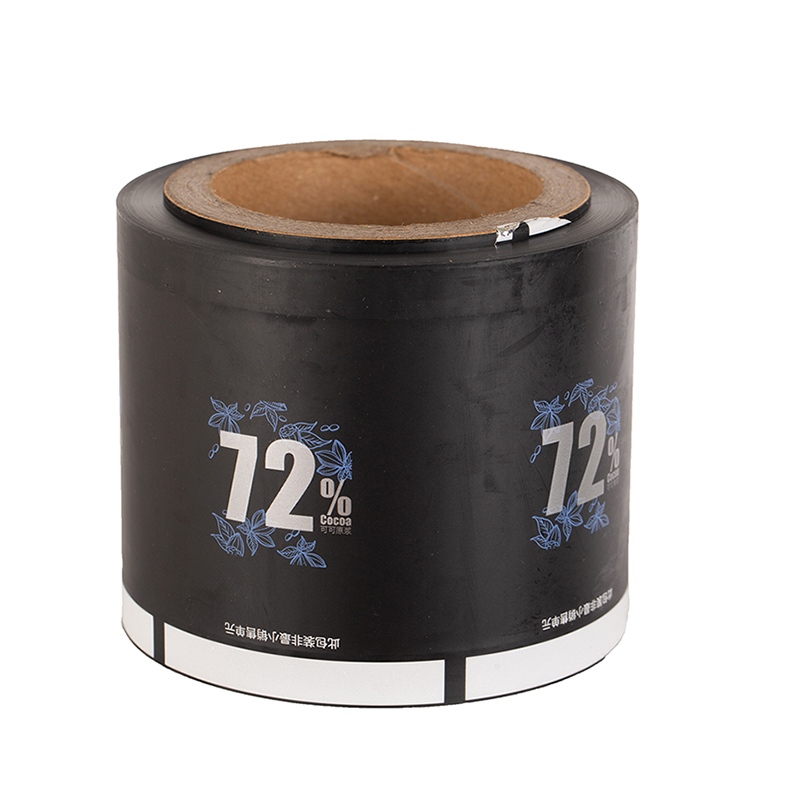
Chemical Powder Hot Laminated Roll Film
The high-quality Chemical Powder Hot Laminated Roll Film produced by Wanle manufacturer is a customized packaging material for all kinds of chemical powders, which is completely different from food. The material has undergone specialized chemical resistance tests. It will not be corroded by common powders and will not react with them, making it particularly safe to use.
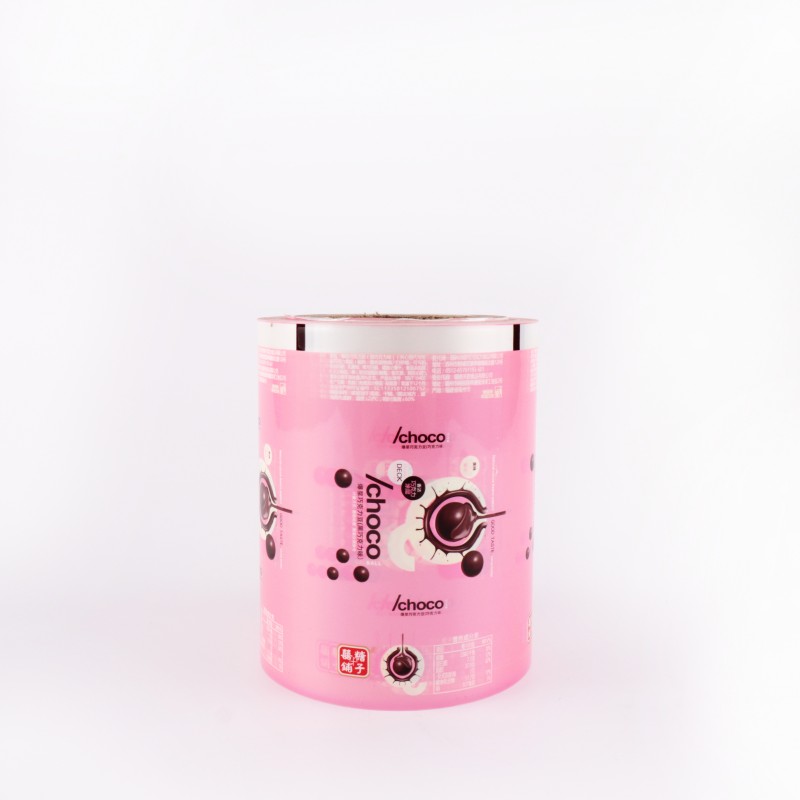
Food Hot Laminated Roll Film
The Food Hot Laminated Roll Film supplied by the Wanle factory is a food packaging film that can be sealed with a heat-sealing tool, which is different from cold folding. The seal is particularly firm after heat pressing. The material has specially passed the food contact test, whether it is used to hold warm cooked food or raw and cold ingredients, there will be no unpleasant smell seeping out, you can use it with peace of mind.
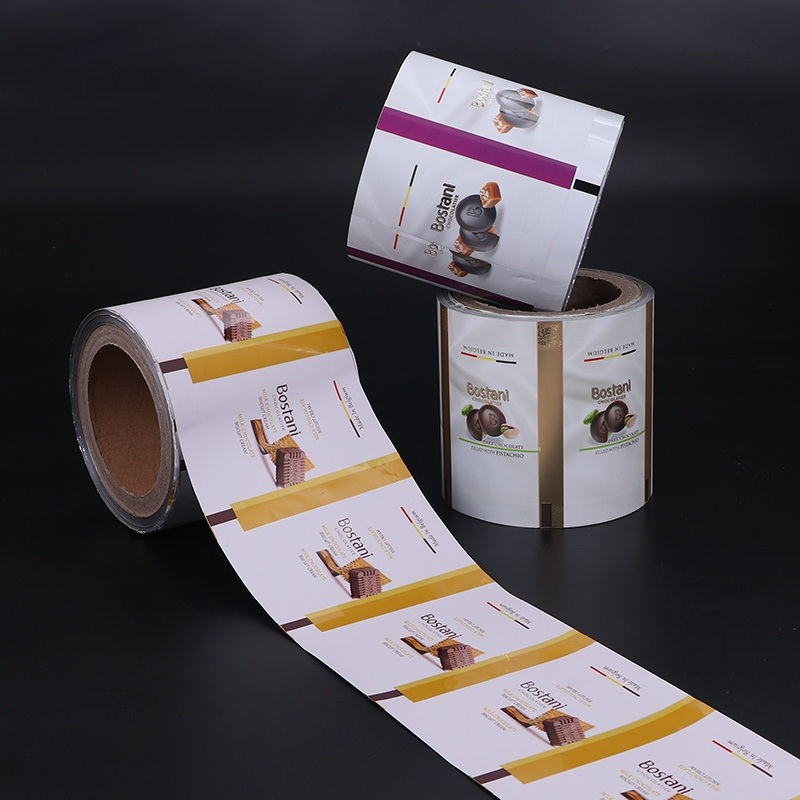
Cold Laminated Roll Film for Other
The Cold Laminated Roll Film for Other supplied by Wanle is different from the roll film for food, it is a packaging material designed for non-food items, the core still lies in the cold folding feature. There is no need for heating. It can be sealed by simply folding and pressing by hand, and the operation is particularly simple, the material selected is durable film, which feels solid to the touch and is not the kind that breaks easily with a poke, it is particularly reassuring to use it to wrap small items.
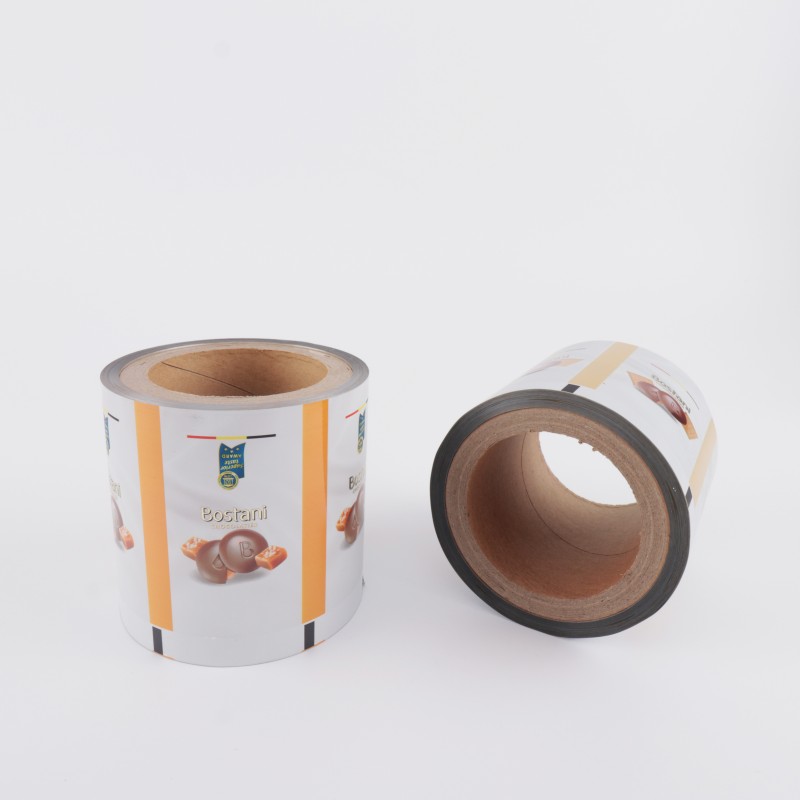
Food Cold Laminated Roll Film
Wanle offers you high-quality Food Cold Laminated Roll Film, which is a material specifically designed for packaging all kinds of food, the core is cold stacking. It can be stacked and sealed by hand without heating. It is particularly suitable for daily use, the material has passed food contact testing, it feels thick and resilient when touched, and there will be no strange taste when in direct contact with bread, pickled foods, etc.
As a reliable Roll Film manufacturer and supplier in China, we have custom options and volume discount pricing. Please just send us a quotation!