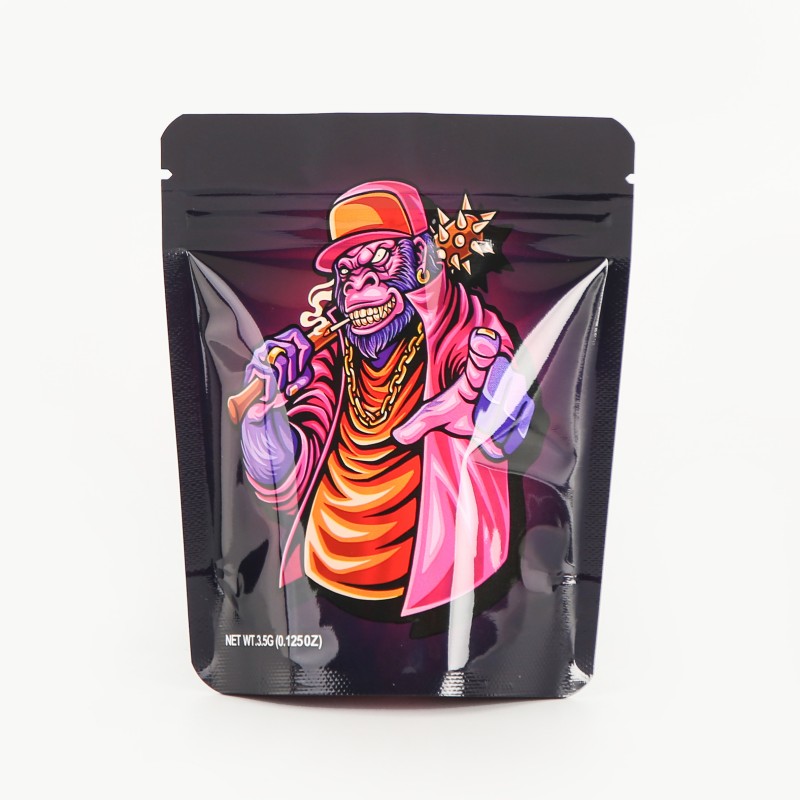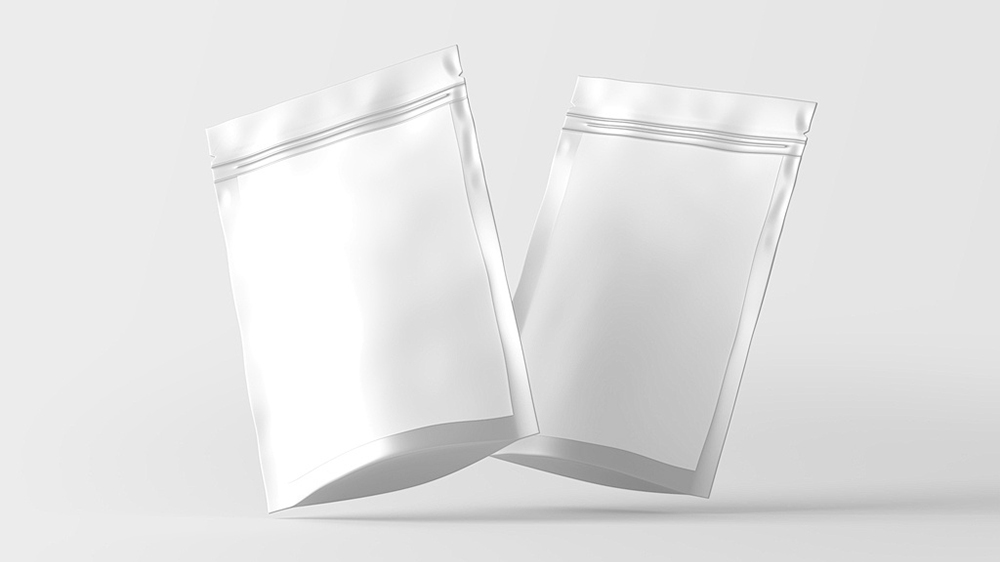

HOME > Products
Seasoning Bag
The Essential Guide to Premium Custom Seasoning Bag Solutions for Food Brands
In the competitive landscape of the food industry, presentation, freshness, and convenience are paramount. The packaging that houses your herbs, spices, tea blends, or gourmet mixes is not merely a container; it's a critical touchpoint with your customer and a powerful brand ambassador. For over two decades, we at Wanle Packaging have partnered with food brands globally to engineer seasoning bag solutions that excel in functionality, aesthetics, and market performance. This definitive guide explores the technical specifications, design considerations, and practical benefits of modern seasoning bags, providing the insights you need to make an informed packaging decision.
Why Your Seasoning Bag Choice Matters for SEO and Customer Experience
From an SEO perspective, customers searching for "premium seasoning bags," "custom tea pouches," or "stand-up spice bags" are signaling commercial intent. Your product pages need to answer their technical queries with clear, detailed information. A well-specified product page built around relevant keywords like "heat-sealable seasoning pouch" or "moisture-proof food bag" attracts qualified traffic and builds trust. More importantly, the physical bag you deliver impacts reviews, repeat purchases, and word-of-mouth—key ranking signals. A bag that preserves aroma, is easy to open and reseal, and looks professional directly contributes to a positive user experience, reducing bounce rates and encouraging backlinks from culinary sites and reviewers.
Technical Specifications of Wanle Packaging's Seasoning Bags
Our seasoning bags are engineered with precision to meet the rigorous demands of food preservation and branding. Below are the core parameters that define our product line.
1. Material Composition & Structure
We utilize multi-layered laminated films, each layer serving a specific protective function:
- Outer Layer (Printing Surface): Typically polyester (PET) or oriented polypropylene (OPP). Provides excellent printability for vibrant graphics, scratch resistance, and durability.
- Middle Barrier Layer: Often metallized film (MPET), aluminum foil (AL), or special polymers like EVOH. This layer is crucial for blocking moisture, oxygen, and light, extending shelf life and preserving volatile flavors and aromas.
- Inner Sealing Layer: Usually food-grade polyethylene (PE) or cast polypropylene (CPP). Ensures a strong, hermetic heat seal and is safe for direct food contact.
2. Standard Product Parameters Table
| Parameter | Specification Options | Benefits & Typical Use |
|---|---|---|
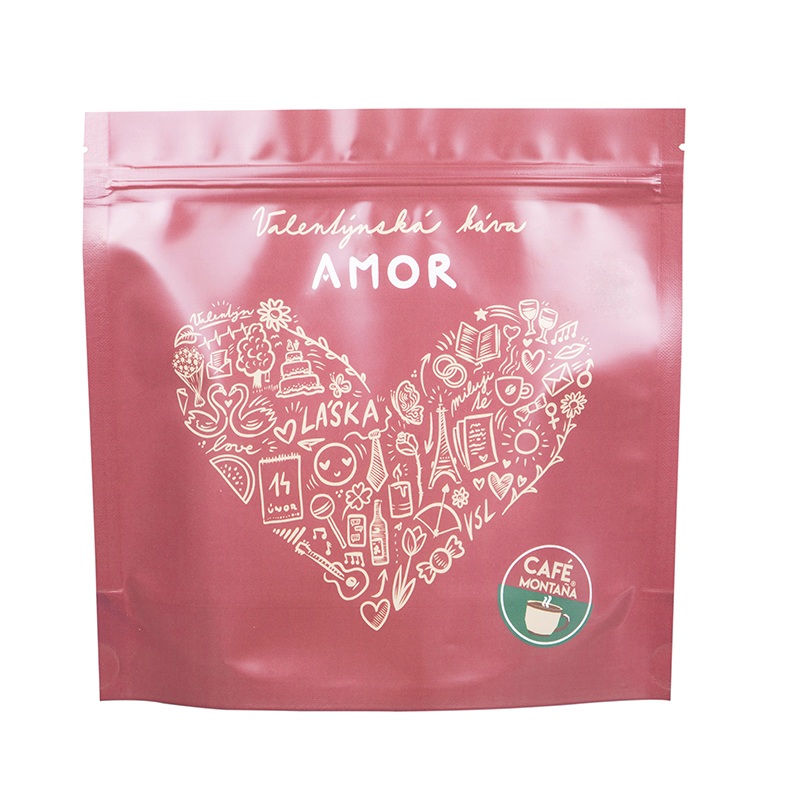
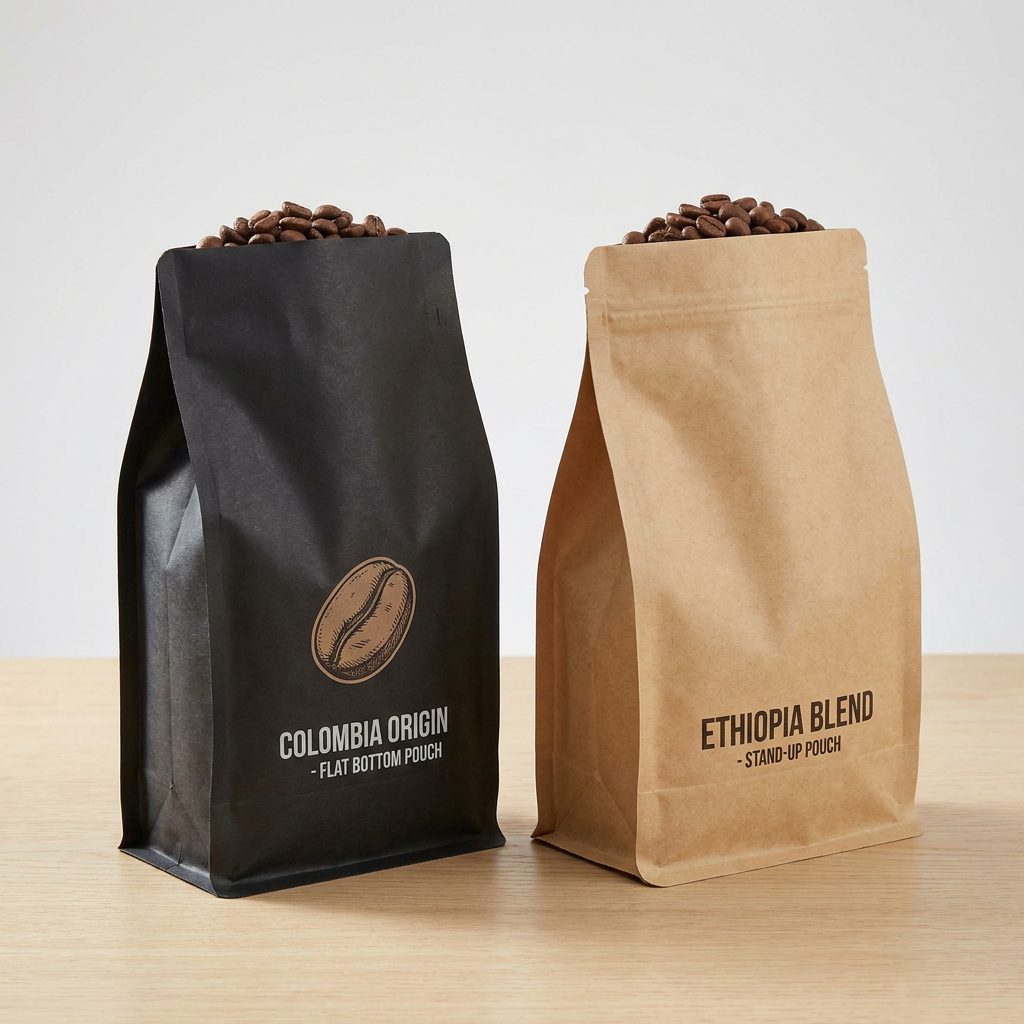
| Bag Style | Pillow Bag, Stand-Up Pouch (Doypack), Flat Bottom Pouch, Side Gusset Bag, Zipper Bag | Choice depends on product volume, display needs (shelf-standing), and desired convenience (reclosable zipper). |
| Common Bag Sizes (W x H in inches) | 3" x 4", 4" x 6", 5" x 7", 6" x 9", 8" x 10" (Fully customizable) | Sizes accommodate from single-serve portions (10g) to bulk retail packs (500g+). |
| Film Thickness | 70µm to 150µm (microns) | Thicker films offer greater puncture resistance and barrier properties for heavier or sharper contents. |
| Printing Technology | Rotogravure Printing, Flexographic Printing | Rotogravure offers superior, high-resolution graphics for premium brands. Flexo is cost-effective for shorter runs with good quality. |
| Seal Type | Heat Seal, Zipper/Resealable Seal, Tear Notch, Perforation | Heat seals ensure freshness. Zippers enhance user convenience for multi-use products. Tear notches aid easy opening. | Barrier Properties | Moisture Barrier (WVTR), Oxygen Barrier (OTR), Light Barrier | Critical for protecting hygroscopic (moisture-absorbing) spices or oxidation-sensitive herbs and teas. Measured in g/m²/day. |
| Additional Features | Hole Hang, Transparent Window, Matte/Gloss Finish, Embossing | Enhances merchandising (hole hang), allows product visibility (window), and improves tactile feel (embossing, matte finish). |
3. Compliance & Safety Standards
All Wanle Packaging seasoning bags are manufactured in facilities that comply with international standards:
- Food Contact Safety: Materials comply with FDA (USA) and EU (EC) No. 10/2011 regulations for food contact materials.
- Printing Inks: We use non-toxic, low-migration inks that are safe and do not impart odor to the product.
- Quality Control: Every batch undergoes checks for seal integrity, barrier performance, and print accuracy.
Seasoning Bag FAQ: Answering Your Critical Questions
Q: What is the minimum order quantity (MOQ) for custom seasoning bags at Wanle Packaging?
A: Our standard MOQ starts at 50,000 units for custom printed bags. This quantity allows for efficient production setup and material procurement, ensuring a cost-effective price point. For simpler, plain stock bags or bags with just a logo, we may offer lower MOQs. We recommend discussing your specific project with our sales team for the most accurate quotation.
Q: How long does the production and shipping process typically take?
A: The total lead time is typically 8-12 weeks from final artwork approval. This timeline includes pre-press proofing (7-10 days), plate or cylinder engraving for printing (10-14 days), production running (15-20 days), and sea freight shipping (20-30 days, depending on destination). We offer expedited options for an additional cost. Detailed project planning with clear milestones is key to a timely delivery.
Q: Can your seasoning bags effectively preserve the freshness and potency of delicate herbs and spices?
A> Absolutely. This is a core strength of our design. We engineer the material structure specifically for the product. For instance, for light-sensitive spices like paprika, we recommend a fully opaque material with a metallized layer. For aromatic herbs, we use high-barrier films with low oxygen transmission rates (OTR) to prevent aroma degradation and oxidation. The hermetic heat seal we employ locks this protection in until the consumer opens the bag.
Q: What are the key differences between a pillow bag and a stand-up pouch (Doypack)?
A: The primary difference lies in functionality and shelf presence. A pillow bag is a simple, cost-effective sealed sack, ideal for single-use products or where shelf-space efficiency is key. A stand-up pouch has a reinforced gusseted bottom that allows it to stand upright on retail shelves, creating superior brand visibility. It often includes features like resealable zippers and is perceived as more premium and user-friendly, justifying a potentially higher price point for your product.
Q: How do I provide artwork, and what are your design requirements?
A: We accept final artwork in vector format (Adobe Illustrator .ai or .eps files) with all fonts outlined and linked images embedded at high resolution (300 DPI). Our design team will provide a detailed dieline (template) specific to your chosen bag size and style. Critical elements include maintaining a safe margin from cut/seal edges and ensuring critical text/logo is not placed on gussets or seal areas. We offer complimentary pre-press proofing to ensure the design translates perfectly to the final bag.
Q: Are your bags environmentally friendly? Do you offer sustainable options?
A> Sustainability is a growing priority. We offer several eco-conscious solutions: 1) Recyclable Monomaterial Pouches: Made from a single type of plastic (like PE) that is easier to recycle in certain streams. 2) Bio-based Films: Incorporating materials derived from renewable resources like sugarcane. 3) Post-Consumer Recycled (PCR) Content: Using films that contain a percentage of recycled plastic. It's important to balance barrier requirements with sustainability goals, and our technical team can guide you to the best option for your product and brand values.
Q: Can you create bags with a transparent window to show the product?
A: Yes, this is a popular feature. We integrate a clear, food-grade window film (often PE or OPP) into a section of the bag. This allows consumers to see the color, texture, and quality of the seasoning, tea leaves, or herbs inside, which can significantly boost purchase confidence. The window film can be matched with appropriate barrier properties to ensure the viewing panel does not compromise the overall protection of the product.
Integrating Your Brand Story into the Seasoning Bag Design
At Wanle Packaging, we view the bag as a canvas. Effective design goes beyond listing ingredients. It conveys your brand's story, artisanal quality, and ethos. Use high-quality imagery, a cohesive color palette, and clear, compelling copy. Highlight certifications (Organic, Non-GMO, Fair Trade) prominently. For SEO, ensure your brand name and core product keywords are visible in the design, as user-generated images of your bag online can drive organic search recognition. A well-designed, functional bag from Wanle Packaging becomes a silent salesman on the shelf and a reason for customers to return to your website and share their positive experience online.
- View as
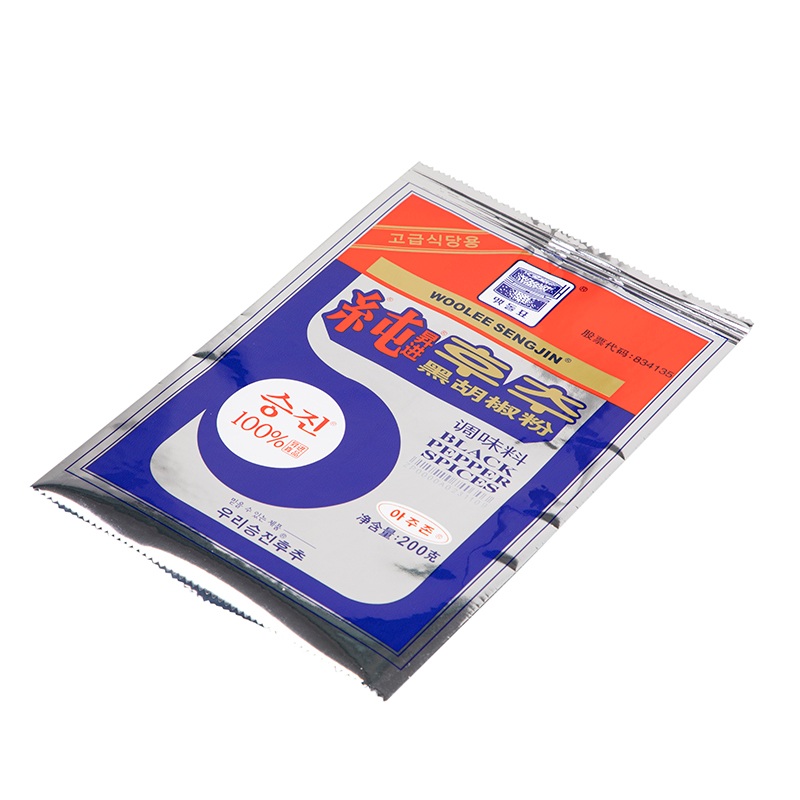
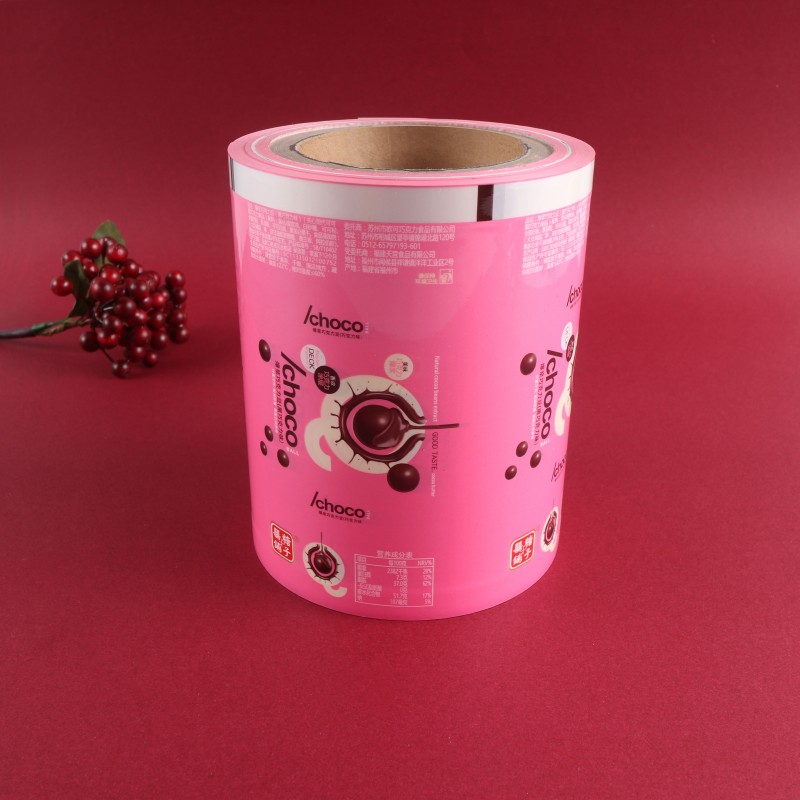
Food Bag for Seasoning
The Food Bag for Seasoning produced by Wanle Packaging Factory are specially designed for packaging various seasonings, they are suitable for items such as salt, sugar, chicken essence, chili powder, pepper powder, and sauce packets. Made of food-grade composite materials, they balance both sealing performance and resistance to penetration, capable of handling different forms of seasonings including granules, powders, and pastes.
As a reliable Seasoning Bag manufacturer and supplier in China, we have custom options and volume discount pricing. Please just send us a quotation!