
HOME > Products
High-quality Coffee Powder Bag
The Ultimate Guide to High-Performance Coffee Powder Bag Packaging
In the competitive world of specialty coffee, the packaging is not just a container; it's the final, critical step in preserving the roaster's art and delivering peak freshness to the consumer. A superior coffee powder bag is engineered to be a barrier against the elements, a guardian of aroma, and a canvas for brand identity. It must balance rigorous technical specifications with practical usability. This guide details the essential parameters and features that define professional-grade coffee packaging, ensuring your beans or grounds are protected from roastery to cup.
Core Material Specifications & Construction
The efficacy of a coffee bag hinges on its multilayer construction. Each layer serves a distinct, vital function.
Typically composed of reverse-printed polyester (PET) or oriented polypropylene (OPP). This layer provides scuff resistance, a high-quality printing surface for vibrant graphics, and initial structural integrity.
The most critical component. Often made from metallized film (MPET or BOPP), aluminum foil, or specialized ethylene vinyl alcohol (EVOH) coatings. This layer is impermeable to oxygen and moisture, the two primary enemies of coffee freshness.
Usually food-grade polyethylene (PE) or cast polypropylene (CPP). This layer provides a safe, non-reactive food contact surface and enables the heat sealing that creates an airtight closure.
This laminate structure is fused together through advanced adhesive or extrusion lamination processes, creating a single, robust material with optimized properties.
Standard Features & Customization Options
Beyond materials, functional features define user experience and operational efficiency.
A non-negotiable feature for whole bean coffee. This patented valve allows CO2 (released by freshly roasted beans) to escape without letting external oxygen in, preventing bag rupture and preserving freshness.
The most common and user-friendly option for resealing after opening.
A classic, low-cost metal or plastic wire embedded in the seal for a simple twist closure.
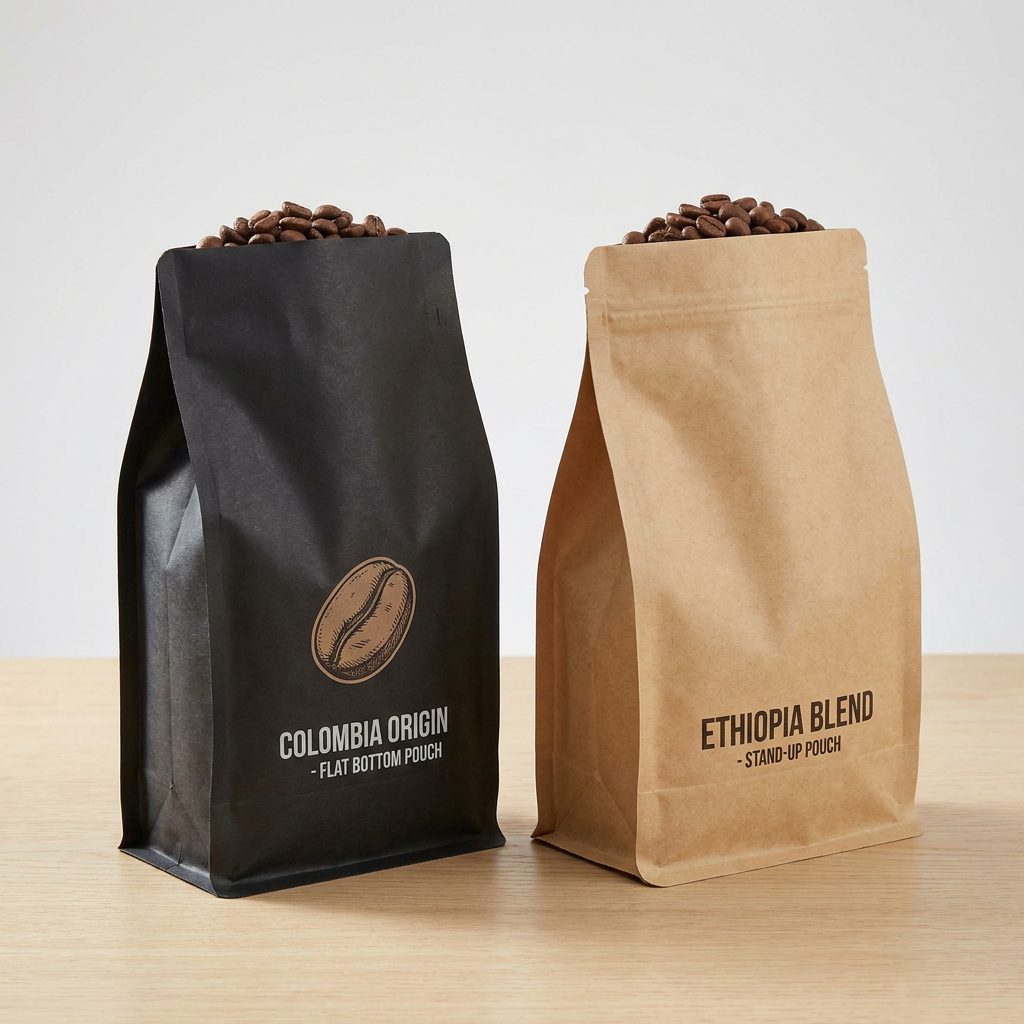
A cardboard or rigid plastic insert at the bottom of flat-bottom bags (also called "stand-up pouches"). This allows the bag to stand upright on shelves, maximizing display impact and stability.
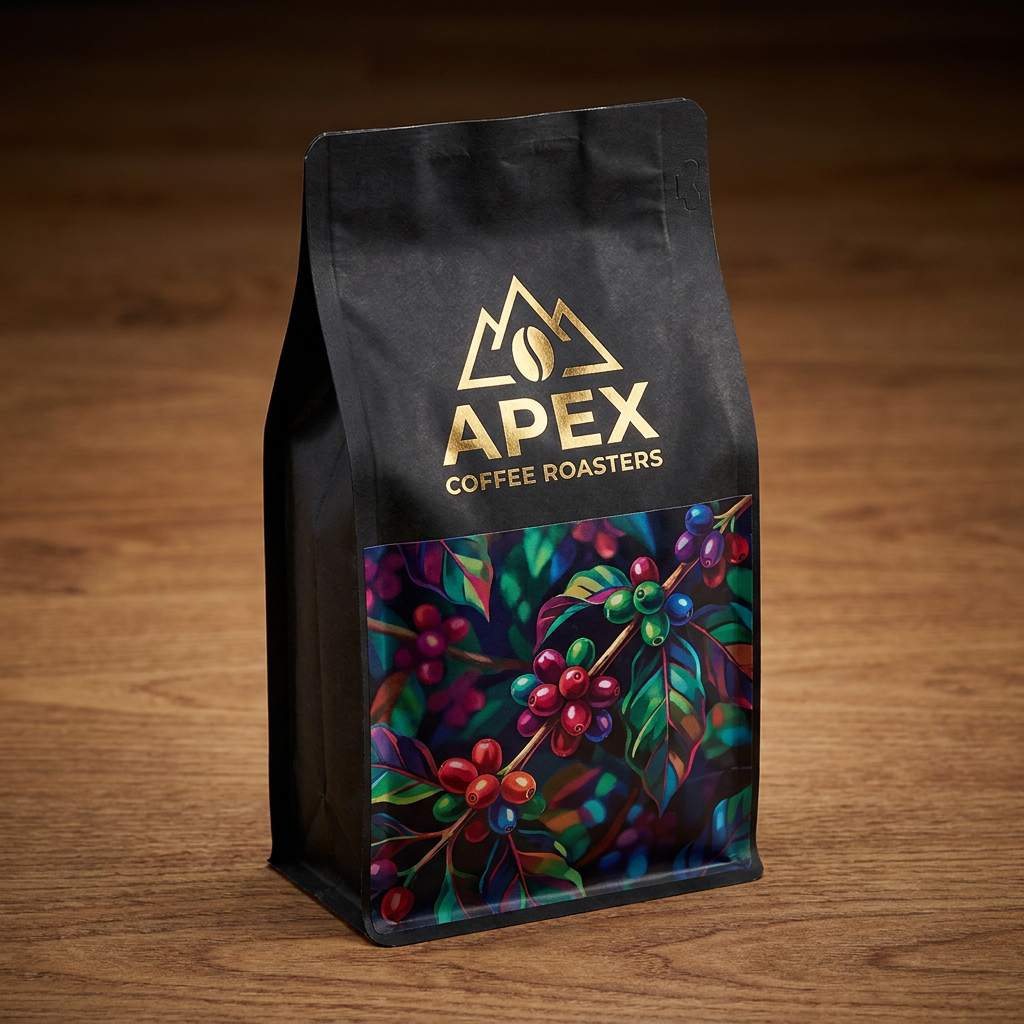
Options include high-definition flexographic or rotogravure printing, spot UV varnish for tactile highlights, embossing, and matte or glossy finishes to align with brand aesthetics.
- View as

Coffee Powder Quad Sealed Bag
The Coffee Powder Quad Sealed Bag produced by the Wanle supplier is a packaging for the storage of coffee powder, the main feature is the four-way sealing design, which has two more layers of sealing protection than ordinary bags, making it particularly reassuring to hold coffee powder. Welcome to order packaging products from us, our quality will give you peace of mind!

Coffee Powder Bag with Zipper
The Wanle manufacturer specializes in producing high-quality Coffee Powder Bag with Zipper, the bag body is made of several layers of food-grade materials stacked together. It feels thick and heavy, not the kind of thin bag that softens when pinched. We have many years of manufacturing and export experience in the packaging industry, welcome to cooperate with us.

Coffee Powder 3 Side Sealed Bag
Wanle manufacturer offers you high-quality Coffee Powder 3 Side Sealed Bag, our product is made of food-grade composite material, it feels thick when touched and is not the kind of thin material that breaks easily when pulled. All three sides of the bag have been reinforced with sealing treatment, the sealing edges are smooth and solid, and only the opening is designed to be openable and closable.
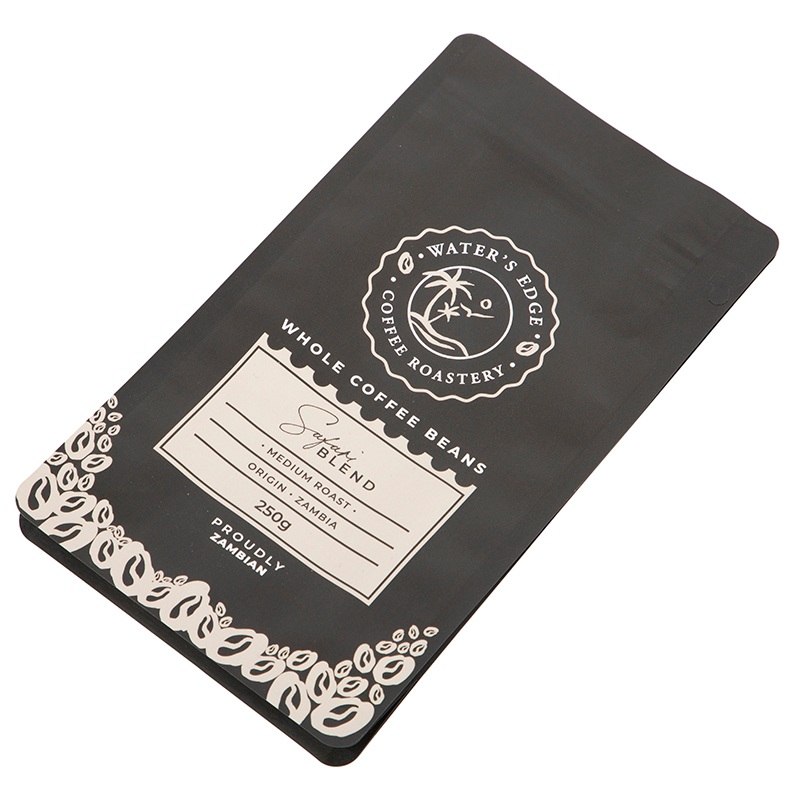
Coffee Stand Up Pouch
The China Coffee Stand Up Pouch produced by Wanle is a packaging product designed for coffee bean storage, it is processed with food-grade composite materials, has a thick touch and is not easy to break. The bag body is in the shape of a rectangular prism as a whole, the bottom adopts a three-dimensional structure design and can be placed upright by itself without external support, it is very stable when placed on a table or a shelf.
As a reliable Coffee Powder Bag manufacturer and supplier in China, we have custom options and volume discount pricing. Please just send us a quotation!