
HOME > Products
High-quality eco-friendly Grain Bag
Your Ultimate Guide to High-Performance Grain Bags for Modern Agriculture
In the demanding world of agriculture, efficient and reliable grain storage is not a luxury—it's a necessity. Grain bags, also known as grain sleeves or silo bags, have revolutionized on-farm and commercial storage by offering a flexible, cost-effective, and highly efficient solution. This comprehensive guide delves into the critical features, technical specifications, and practical applications of premium grain bags, providing you with the knowledge to make an informed decision for your storage needs.
Core Advantages of Using Professional Grain Bags
Modern grain bags are engineered to protect your valuable harvest from spoilage, pests, and the elements. Here are the key benefits:
Multi-layer co-extruded construction creates an impermeable barrier against oxygen, moisture, and UV radiation, preserving grain quality and preventing mold growth.
Manufactured from high-density, UV-stabilized polymers, these bags resist punctures, tears, and environmental stress cracking under sun exposure and harsh weather conditions.
Unlike rigid silos, grain bags can be installed on level ground, utilizing space that would otherwise go unused. They are ideal for temporary storage or handling surplus harvests.
They offer a significantly lower entry cost per ton of storage compared to permanent infrastructure, with minimal maintenance requirements.
By enabling hermetic sealing (in proper conditions), they can facilitate controlled atmospheres, reducing insect infestation and maintaining germination rates for seed stocks.
Frequently Asked Questions (FAQ) About Grain Bags
How long can grain be safely stored in a grain bag?
With proper grain condition at filling (correct moisture content below safe storage levels) and an undamaged bag installed on a suitable site, most grains can be stored for 6 to 12 months. Regular monitoring of the bag's integrity and internal temperature is essential for longer-term storage. For seed grain where germination must be preserved, the storage period may be shorter, and conditions must be more carefully controlled.
What is the ideal moisture content for bagging grain?
Moisture content is the most critical factor for success. It must be at or below the recommended safe storage moisture for the specific grain type. For example, wheat should typically be at 13.5% moisture or lower, corn at 14.5% or lower, and canola at 8-9% moisture. Bagging grain at higher moisture levels drastically increases the risk of spoilage due to mold growth and heating.
How do I choose the right site for placing my grain bags?
Select a site that is level, well-drained, and free of sharp stones, stubble, or debris. The ground should be firm to support the weight. Avoid low-lying areas where water can pool. Ensure there is easy access for the bagging machine at installation and the unloader at emptying. Orient the bag so its length runs with the prevailing wind to reduce wind stress.
Can rodents or birds damage the bags?
While the material is very tough, rodents can chew through the plastic if they are attracted to the grain. Birds may peck at the bag. It is vital to control vermin around the storage site. Using rodent bait stations around the perimeter and keeping the area clear of weeds and debris that provide cover are effective management strategies. Inspect bags regularly for any signs of damage.
What is the process for emptying a grain bag?
Emptying requires a specialized grain bag unloader machine. The process involves the unloader clamping onto the front end of the bag, cutting it open, and using an intake auger to draw out the grain while the machine's wheels slowly move it forward along the length of the bag. The empty plastic is then gathered for proper disposal or recycling. Planning for efficient removal is as important as the filling process.
Are grain bags environmentally friendly?
Modern grain bags are recyclable in many regions. Their environmental impact is often favorable when considering the full lifecycle. They reduce post-harvest losses (food waste), require no steel or concrete for construction (lower embodied energy), and their efficient storage can reduce the number of truck journeys required for grain transport. Always check with local recycling facilities for disposal options.
How should I monitor grain condition inside the bag?
Direct monitoring is limited, making preventative measures key. Use a grain temperature probe inserted through a specially designed, self-sealing patch on the bag. Regularly check these temperature readings; a rising temperature can indicate spoilage. Also, visually inspect the bag's exterior for signs of sinking (which may indicate grain consolidation or moisture loss), unusual bulges, or physical damage.
- View as
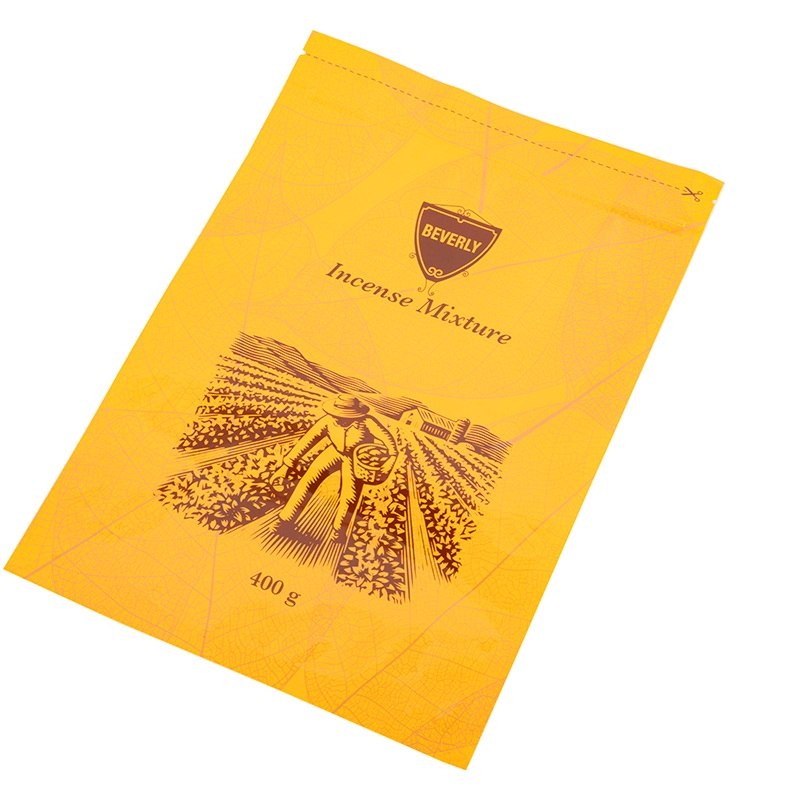
Grain Stand Up Pouch
It is particularly reassuring to use the Grain Stand Up Pouch produced by Wanle manufacturer to hold grains directly, the core lies in the three-dimensional design at the bottom. After filling it with grains, there's no need to specially look for something to hold it up, just stand there steadily and it won't tip over at the slightest touch. We have many years of manufacturing and export experience in the bag industry, you can rest assured to contact us.
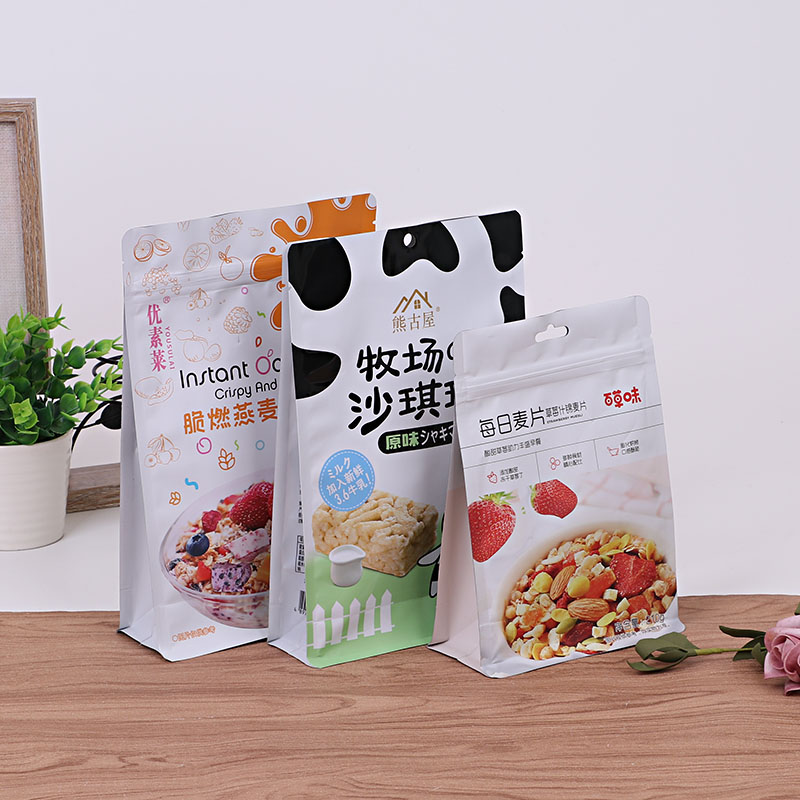
Grain Bag with Zipper
This Wanle Grain Bag with Zipper is a storage package specifically designed for grains such as rice, millet and coarse grains. It is made of food-grade composite thick material, so it is particularly reassuring to directly store grains, the bag body is made stiff but not rigid. When filled with grains and placed on the kitchen shelf, it can stand steadily without being held up.

Grain Flat Bottom Bag
Wanle is a professional manufacturer of Grain Flat Bottom Bag, this product is a practical packaging specially made for holding all kinds of grains, it is made of food-grade composite thick material. When touched, it feels thick and heavy. It is particularly reassuring to hold rice, millet, oats and so on, the core feature is a flat-bottomed design, once filled with grains, it can stand steadily on kitchen shelves or storage cabinets without the need for manual support.
As a reliable Grain Bag manufacturer and supplier in China, we have custom options and volume discount pricing. Please just send us a quotation!