
HOME > Products
High-quality Personal Care Packaging
Professional Guide to Personal Care Packaging: Materials, Specifications, and Selection
In the competitive landscape of personal care products, your packaging is often the first point of physical interaction with your customer. It’s a critical component that protects your formulation, communicates your brand's essence, ensures regulatory compliance, and influences purchasing decisions. Effective Personal Care Packaging must seamlessly blend aesthetics with unparalleled functionality. This comprehensive guide delves into the core aspects of personal care packaging, providing detailed product parameters and expert insights to inform your packaging strategy.
Core Materials in Personal Care Packaging
The choice of material dictates the packaging's barrier properties, sustainability profile, weight, and feel. Here are the primary materials used:
The most versatile and widely used. PET offers brilliant clarity and is excellent for lotions and serums. HDPE provides stiffness and good chemical resistance for bottles and jars. PP is flexible and often used for tube heads and caps. Post-Consumer Recycled (PCR) content is increasingly integrated to enhance environmental credentials.
Offers a premium, high-end feel with excellent barrier properties, preserving product integrity by preventing gas and aroma exchange. It is 100% infinitely recyclable but is heavier and more fragile.
Primarily used for cans (aerosols, solid sticks) and tubes. It provides an absolute barrier against light, air, and moisture, ensuring long-term stability for sensitive products. Highly recyclable.
Multi-layered structures (often plastic/aluminum/paper) that are lightweight, flexible, and allow for high-quality printing. They offer excellent barrier properties and are cost-effective for single-use or travel-size products.
Frequently Asked Questions (FAQ) on Personal Care Packaging
Q: What are the most important factors when choosing packaging for a new skincare serum?
A: For a skincare serum containing active ingredients like Vitamin C or retinoids, the top priorities are barrier properties and compatibility. First, select a material with an exceptionally low Oxygen Transmission Rate (OTR) to prevent oxidation—amber glass or high-barrier laminate tubes are excellent choices. Second, ensure the packaging material passes rigorous Extractables & Leachables testing with your specific formula to avoid ingredient degradation or contamination. Third, consider the dispenser; an airless pump is ideal as it prevents product backflow and exposure to air, preserving potency from first to last use.
Q: How do I balance sustainability with product protection requirements?
A: This is a key challenge. Start with a Life Cycle Assessment (LCA) perspective. Using recycled materials (PCR plastic, recycled glass/aluminum) significantly reduces the carbon footprint. However, the package must still perform its primary protective function. For example, using a monolayer PCR plastic may have a higher OTR than virgin material, so you must test shelf life rigorously. Light-weighting (using less material) and designing for recyclability (mono-material structures, avoiding glued paper labels on plastic) are crucial. Ultimately, the most sustainable package is one that effectively protects the product to prevent waste, even if it means using a slightly more complex, but still recyclable, material.
Q: What compatibility tests are mandatory before launching a personal care product?
A: Comprehensive compatibility and stability testing are non-negotiable. Mandatory tests include: 1) Real-Time Stability Testing: Storing the filled package under controlled (e.g., 25°C/60% RH) and accelerated (e.g., 40°C/75% RH) conditions for 3-6 months to monitor physical changes, pH, viscosity, and ingredient potency. 2) Package Interaction Studies: Testing for leakage, weight loss, and cap torque. 3) Extractables & Leachables Profile: Identifying and quantifying any chemicals that migrate from the packaging into the product under stress conditions. 4) Challenge Tests: For pumps and closures, ensuring they function correctly across the entire temperature range of storage and use.
Q: What are the advantages of airless packaging versus standard bottles with pumps?
A: Airless packaging systems use a piston or bag to dispense product without allowing air to enter the container. The advantages are significant: 1) Superior Preservation: Eliminates oxidation and contamination from airborne bacteria, ideal for preservative-free or active-rich formulas. 2) Complete Evacuation: Allows near 100% product usage, reducing waste and improving customer perception. 3) Dispensing Consistency: Provides a uniform dose and texture from beginning to end, as the product is not exposed to air that could alter its consistency. The main trade-offs are a higher unit cost and potentially more complex recycling streams due to multiple material components.
Q: How is child-resistant (CR) compliance achieved in personal care packaging?
A: Child-resistant packaging, often required for products like certain essential oils or nail polish removers, is governed by standards like ISO 8317 (reclosable) or EN 862 (non-reclosable). Compliance is achieved through specific closure mechanisms that require a simultaneous push-and-turn action, a two-step opening process, or a lock that needs alignment. It's critical that these closures also be senior-adult friendly (tested with a panel of adults aged 50-70). The design must integrate the CR mechanism without compromising the aesthetic or functional dispensing performance, often requiring close collaboration between brand engineers and closure manufacturers.
- View as
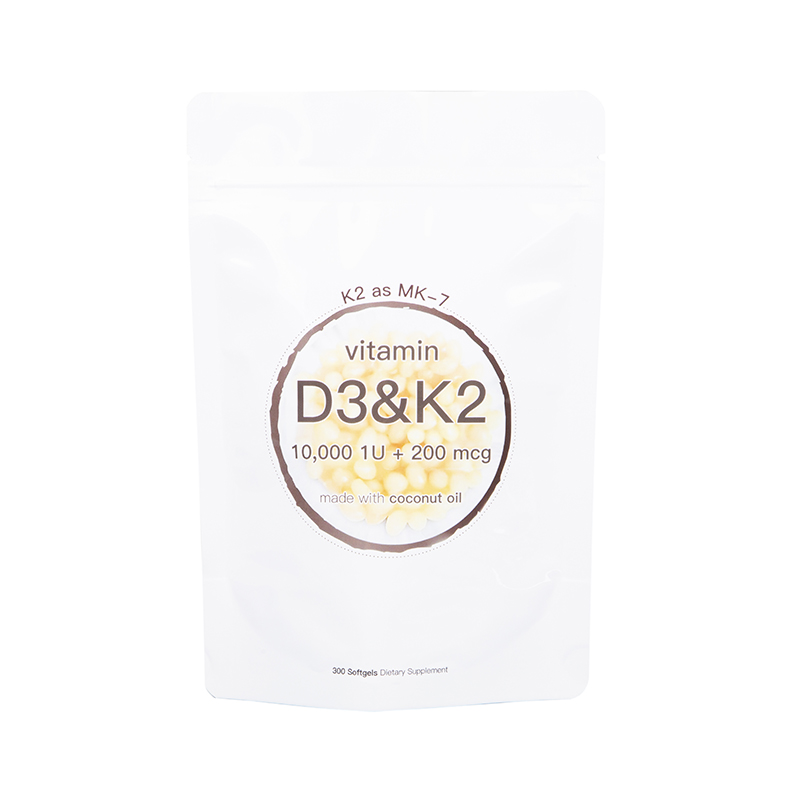
Doypack Bag for Face Mask
The China Doypack Bag for Face Mask, manufactured by Wanle Packaging Factory, is designed for the storage and packaging of various types of masks, including disposable masks, medical masks, and KN95 masks. It is made of food-grade safe composite materials, without any odor or the release of harmful components, it has both sealing and flexibility, and will not scratch the surface protective structure of the mask.
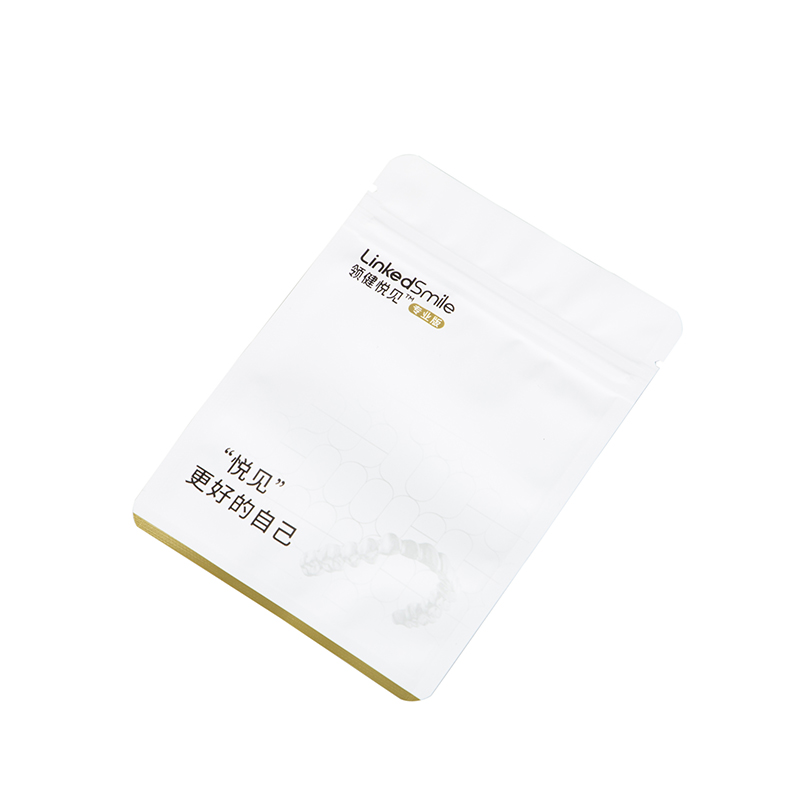
Personal Care Stand-up Pouch
The Personal Care Stand-up Pouch produced by Wanle Packaging's supplier is designed for organizing and storing various personal care products, suitable for a wide range of categories such as skin care products, cosmetics, toiletries, and beauty tools. It is made of flexible and durable food-grade composite material, without any odor or irritation to the skin, and ensures both load-bearing capacity and sealing performance.
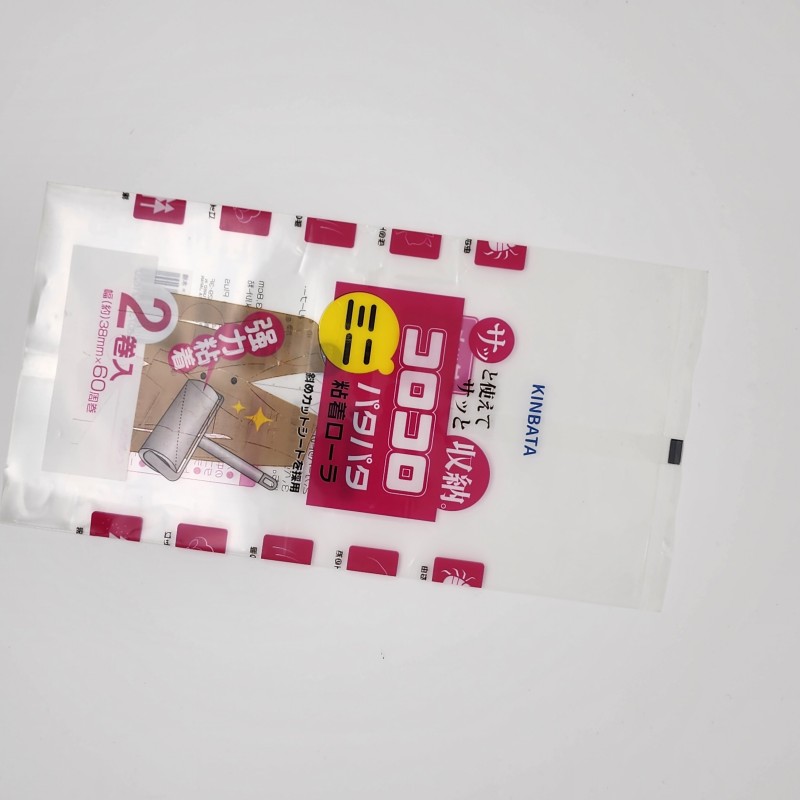
Personal Care Side Gusset Bag
The high-quality Personal Care Side Gusset Bag produced by Wanle Factory is a practical small item designed for organizing various care products, the bag body is made of solid material, not the thin kind that breaks easily when scratched. The side-folding design is very considerate. When not in use, it can be gently folded up, taking up little space for storage. When unfolded for use, the side can stand naturally, making it very stable when placed and preventing it from collapsing.
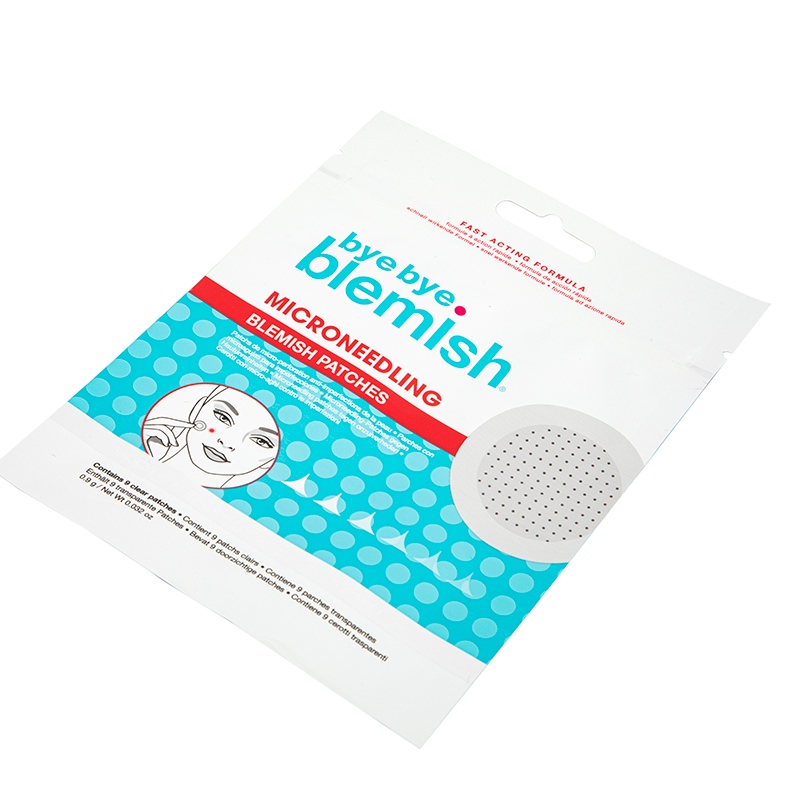
Personal Care Packaging With Zipper
Personal Care Packaging With Zipper is a packaging specially designed by Wanle manufacturer for personal care products, it is equipped with a smooth dedicated zipper, making daily storage particularly worry-free. The packaging itself feels thick and resilient, not the kind of material that softens and collapses easily when pinched, and can securely protect the contents inside.
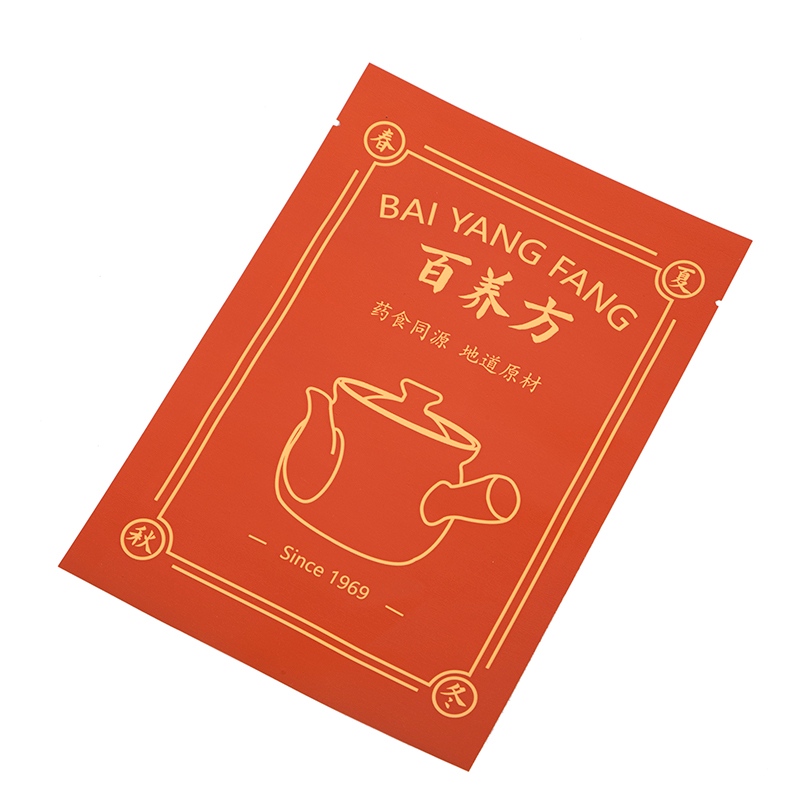
Personal Care 3 Side Sealed Bag
The Personal Care 3 Side Sealed Bag produced by Wanle supplier is specially designed for storing various care products and is particularly convenient to use, the bag feels thick and strong when touched, and it gives a strong sense of security when held in hand. All three sides have been tightly sealed, the seal at the top opening can be pulled and closed smoothly, and it can be sealed tightly without much effort.
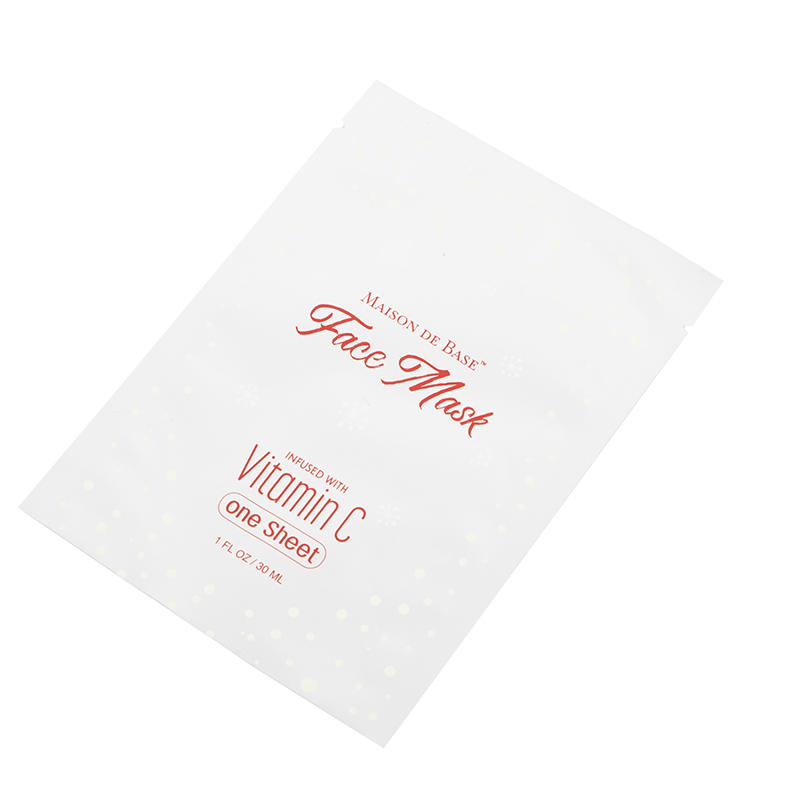
Face Mask 3 Side Sealed Bag
The Face Mask 3 Side Sealed Bag was created by the Wanle manufacturer to properly store masks, the bag body is made of light and thin material but has a good texture. It is not the kind of soft and shapeless material, so it won't take up too much space when put in the bag. All three sides have been sealed, with the opening at the top and an easy-to-tear design, you can easily open it without looking for scissors.
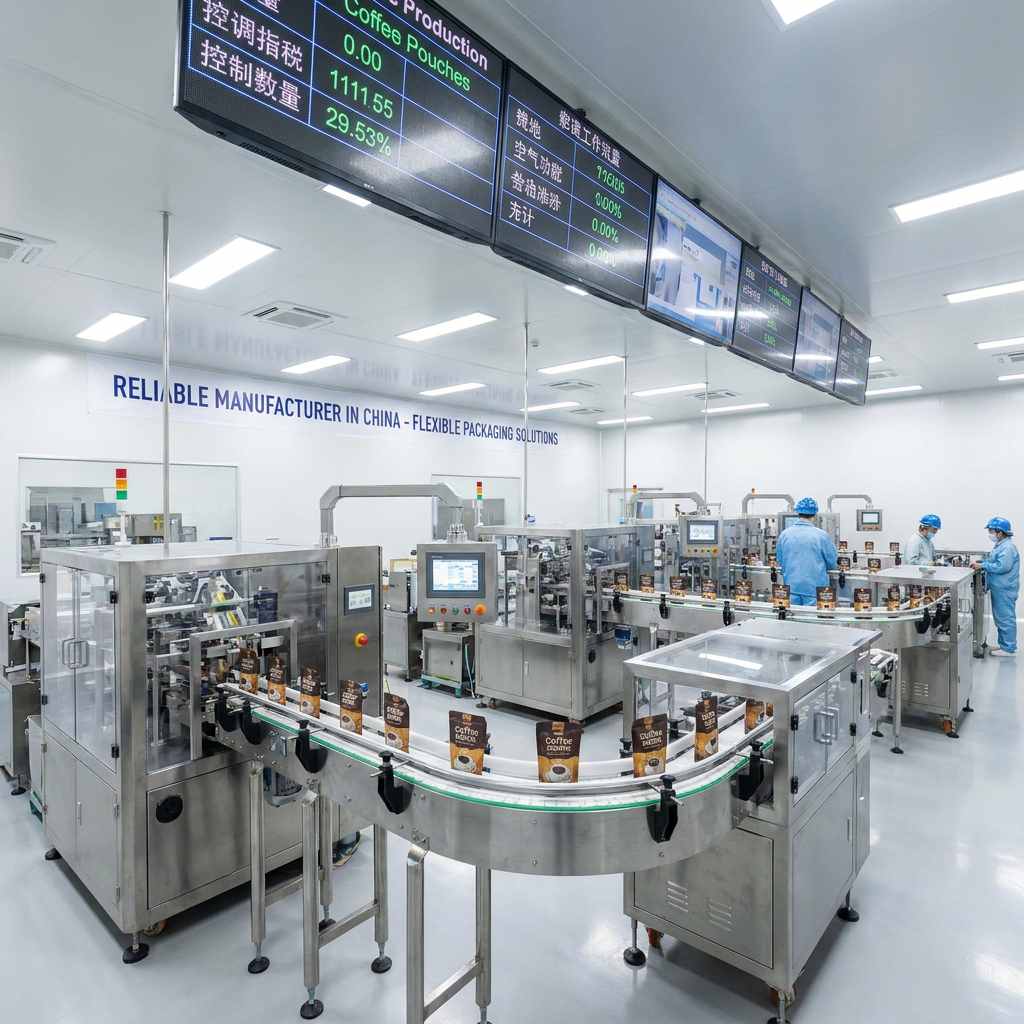
As a reliable Personal Care Packaging manufacturer and supplier in China, we have custom options and volume discount pricing. Please just send us a quotation!