
HOME > Products
Toy bags are used to hold all kinds of toys
The Ultimate Solution for Tidy Playrooms: Introducing the Toy Bag
For over two decades, I’ve seen countless organizing products come and go, but few address the core chaos of a child's play area as effectively as a dedicated toy bag. It’s not just a container; it's a system designed for the real world of parenting. The modern toy bag has evolved from a simple sack into a durable, versatile, and essential tool for maintaining sanity at home. This guide will delve into the specifics of what makes a premium toy bag, presenting detailed parameters and answering your most common questions to help you make an informed choice.
Detailed Product Parameters: What Defines a Premium Toy Bag?
Understanding the specifications is key to choosing a bag that lasts. Below are the critical parameters broken down for clarity.
Core Material & Construction Specifications
Heavy-duty, 600D polyester. This density provides superior resistance to tears, abrasions, and the general rough-and-tumble of toy storage.
Easy-wipe, waterproof PVC or PEVA coating on the interior. This prevents moisture, spills, or any sticky residues from seeping through and allows for quick cleanup.
Reinforced, double-stitched seams at all stress points (handles, base, drawstring channel) for maximum durability and load-bearing capacity.
Robust, non-corrosive metal grommets for the drawstring and heavy-duty plastic or metal clips for any attached compartments.
Toy Bag FAQ: Your Questions, Answered
What is the best material for a long-lasting toy bag?
The best material is a high-denier polyester (like 600D or higher) with a waterproof inner lining. Polyester is renowned for its strength, resistance to mildew, and colorfastness. The internal coating is crucial for containing spills and making cleanup of crumbs or marker stains a simple wipe-down task, significantly extending the bag's usable life.
How do I choose the right size toy bag for my needs?
Consider both the volume of toys and the storage space. For a general, all-purpose playroom clean-up, a Large/Jumbo size is most practical. For implementing an organized system with toy rotation, multiple Standard or Collapsible Cube-sized bags are ideal. Measure your storage shelf or closet space to ensure the bag, when full, will fit comfortably.
Are these bags safe for storing children's plush toys and stuffed animals?
Yes, but with a key consideration: airflow. For long-term storage of plush toys, look for a toy bag made from breathable fabric or one with ventilation panels to prevent moisture buildup and mustiness. For everyday use, any durable bag is suitable. Avoid sealing plush toys in completely airtight containers for extended periods.
Can the toy bag be used for purposes other than toy storage?
Absolutely. Their durable construction makes them exceptionally versatile. They are perfect for sports equipment (e.g., balls, mitts), beach gear, laundry, car organization, or as a catch-all for seasonal clothing. The waterproof lining is particularly useful for wet swimwear or muddy outdoor toys.
What is the proper way to clean and maintain a toy bag?
For daily maintenance, simply wipe the interior and exterior with a damp cloth. For a deeper clean, most quality bags can be machine-washed. Empty the bag completely, turn it inside out to protect any external graphics, and use a gentle, cold-water cycle with mild detergent. Always air dry thoroughly—never use a tumble dryer, as high heat can damage the fabric and waterproof coatings. Regularly check the drawstring and seams for wear.
How can a toy bag help in teaching children organization skills?
A toy bag is a tangible tool for routine. Its use simplifies clean-up into a single, manageable task ("All the blocks go in this bag"). You can label bags with words or pictures for different toy categories, fostering sorting skills. The act of placing toys in the bag and pulling the drawstring provides a clear, satisfying end to playtime, helping children understand the concept of order and responsibility for their belongings.
Is there a difference between a generic duffel bag and a purpose-built toy bag?
There are significant differences. A dedicated toy bag typically features a more durable, easy-clean lining, safer material certifications for children's items, and often a wider opening for easy stuffing and retrieval of bulky, odd-shaped toys. Generic duffels may lack the reinforced stitching needed for heavy, sharp-edged toys and often have less practical shapes for toy storage.
- View as
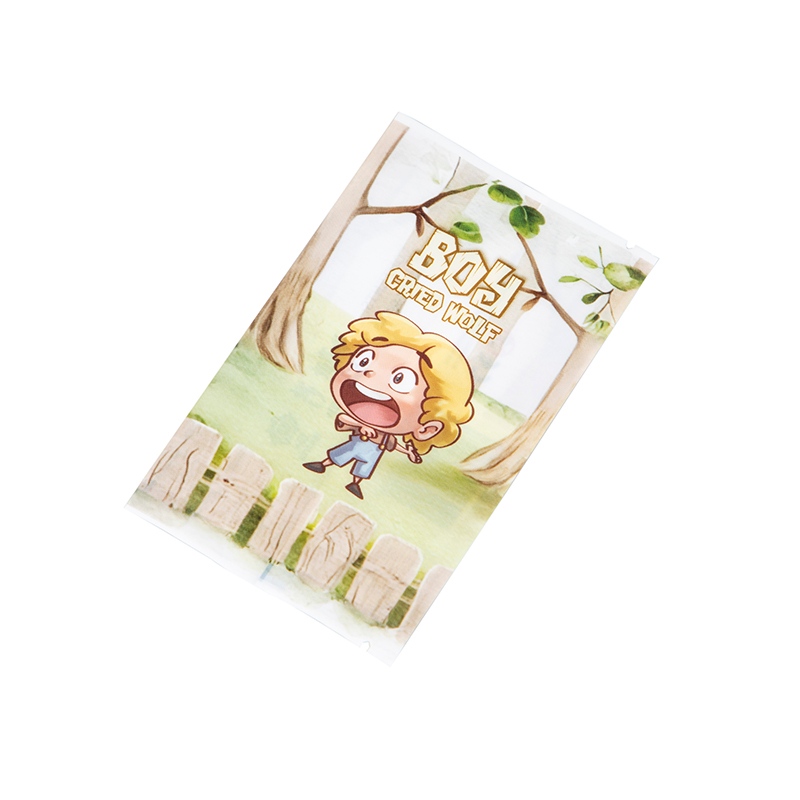
Quad Sealed Bag for Toy
Wanle Packaging's high-quality China Quad Sealed Bag for toys is designed for the storage and packaging of various toys, suitable for items such as building blocks, dolls, educational toys, and small models. It is made of flexible and durable food-grade composite material, without any odor or the release of harmful components, and will not cause irritation to children's skin.
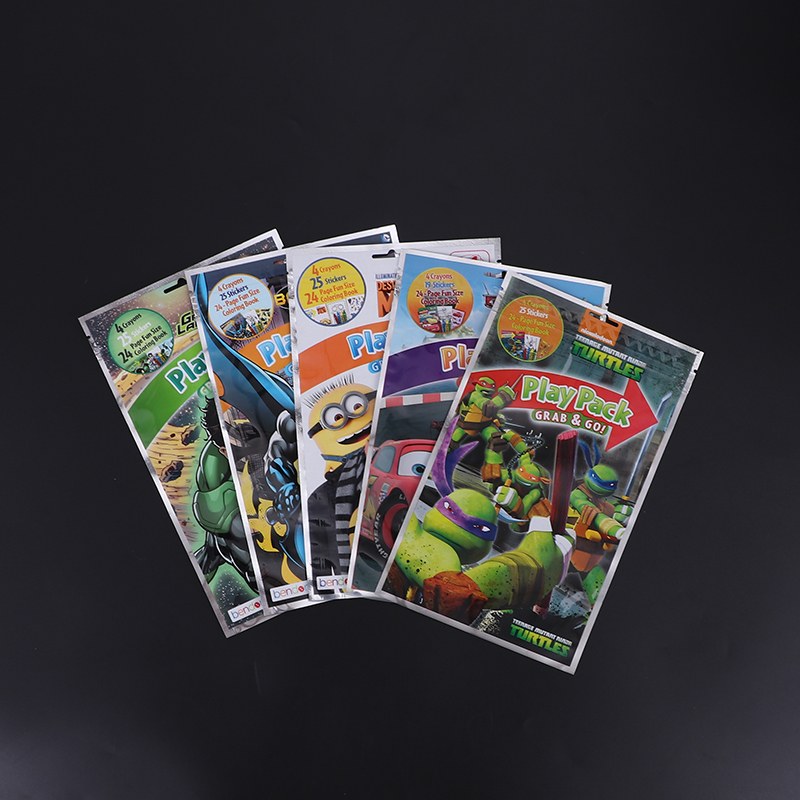
Toy Bag With Zipper
The Toy Bag With Zipper designed and produced by Wanle Factory is tailor-made for storing toys for children at home, the fabric chosen is soft yet sturdy, with no rough edges or corners when touched. You don't have to worry about your hands getting scratched when holding children's plush toys or plastic building blocks, the zipper at the bag opening has been specially optimized. The pull tip is round and smooth, allowing children to close it easily by themselves without pinching their fingers.
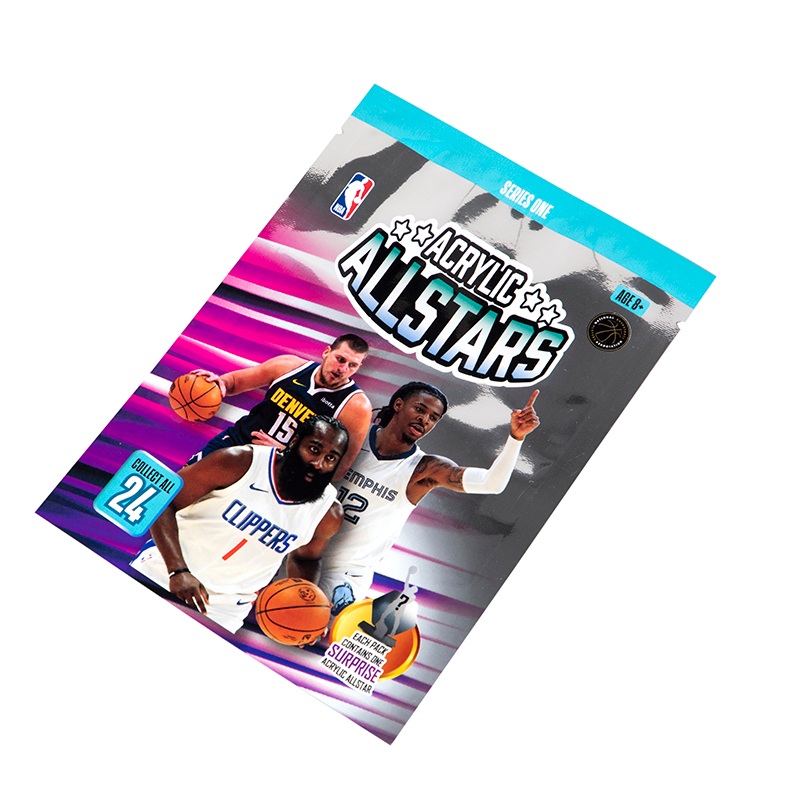
Toy Flat Bottom Bag
This China Toy Flat Bottom Bag produced by Wanle is a practical bag for parents to store their children's toys, the bag body is of a soft and tough type, it doesn't feel hard when touched and there's no strange smell when you get close. It's safe for holding children's plush toys and plastic building blocks, the most distinctive feature is the flat bottom design. Unlike ordinary plastic bags which are soft and limp, after holding toys, it can stand steadily on the storage rack and won't fall over without relying on anything else.
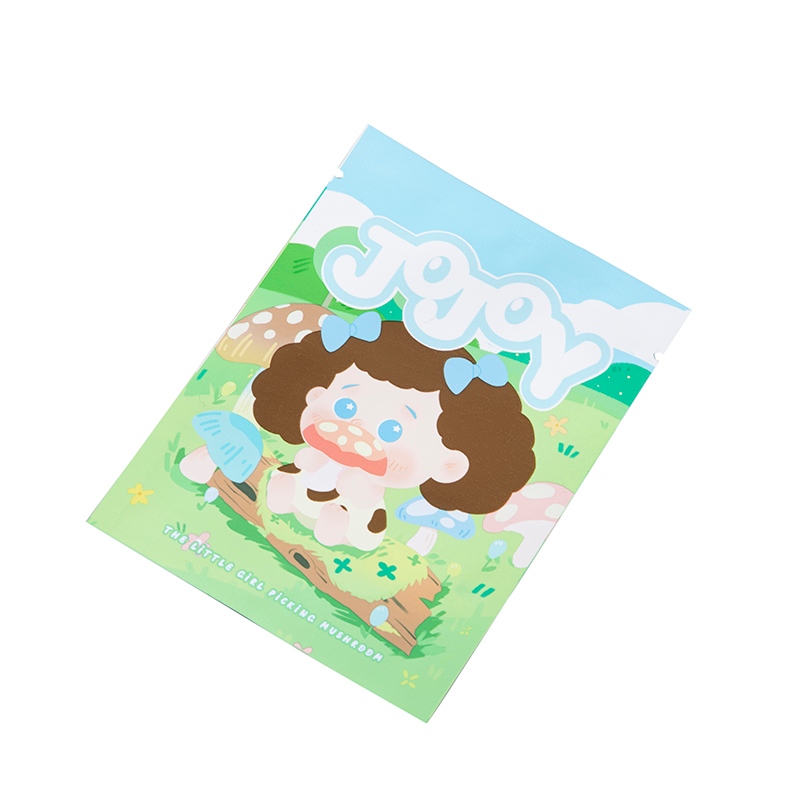
3 Side Sealed Bag for Toy
The 3 Side Sealed Bag for Toy supplied by Wanle manufacturer is specially designed for families with children at home, the fabric of the bag feels soft to the touch and has no hard edges or corners, you don't have to worry about it scratching your child's hands when putting toys in it. It features a three-sided sealed design, with only one side left open, the opening is equipped with a widened sealing strip and a clear tear-off mark, it can be pulled apart effortlessly and sealed tightly with just a gentle press after use. ,
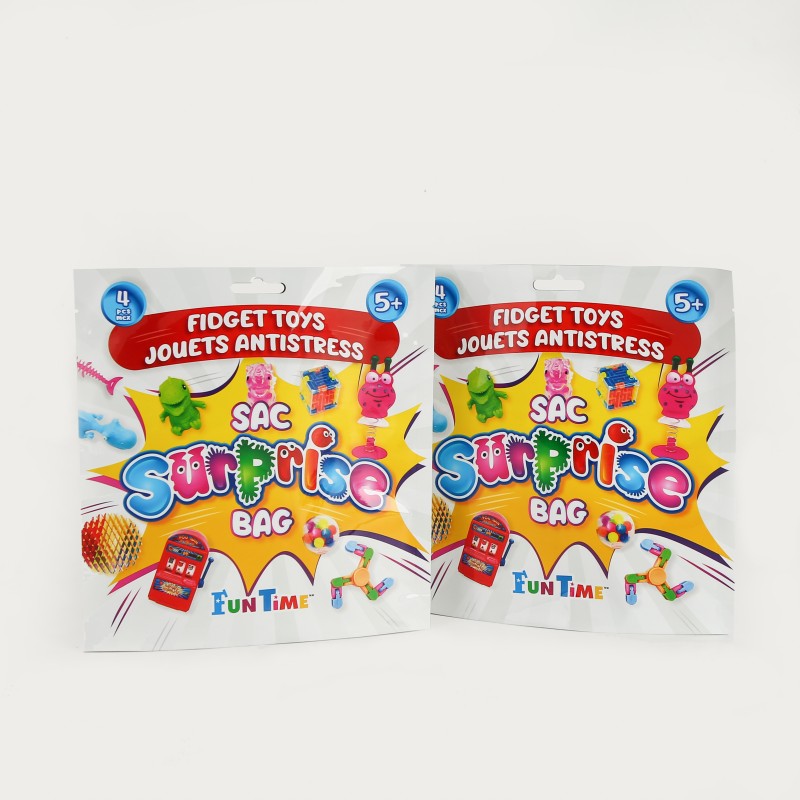
Doypack Bag for Toy
This Doypack Bag for Toy supplied by Wanle manufacturer is a daily backpack specially designed for children, the fabric feels soft to the touch, without any hard edges or corners. When you get close to it, there's no unpleasant smell, it's reassuring for children to use. The patterns on the backpack are all cute styles that children love, the color combination is bright but not dazzling, and it is not easy to go out of style.
As a reliable Toy Bag manufacturer and supplier in China, we have custom options and volume discount pricing. Please just send us a quotation!