
HOME > Products
Healthy and environmentally friendly Hot Laminated Roll Film
Understanding Hot Laminated Roll Film: A Professional Overview
In the world of document and graphic protection, Hot Laminated Roll Film stands as the industry-preferred solution for achieving a durable, high-gloss, and tamper-resistant finish. This process involves applying a thin, transparent plastic film to a substrate using heat and pressure. Unlike cold lamination which uses pressure-sensitive adhesives, hot lamination employs a thermal adhesive that is activated under precise heat, creating a permanent, sealed bond that encases the document. This method is renowned for its robustness, making it ideal for items subjected to frequent handling, moisture, or abrasion. From corporate ID cards and restaurant menus to important certificates and high-value marketing materials, hot lamination provides an unmatched level of professional-grade protection and aesthetic enhancement.
Critical Product Parameters and Specifications
Selecting the correct Hot Laminated Roll Film is paramount for optimal performance. The key parameters are detailed below to guide your choice.
Core Material Composition
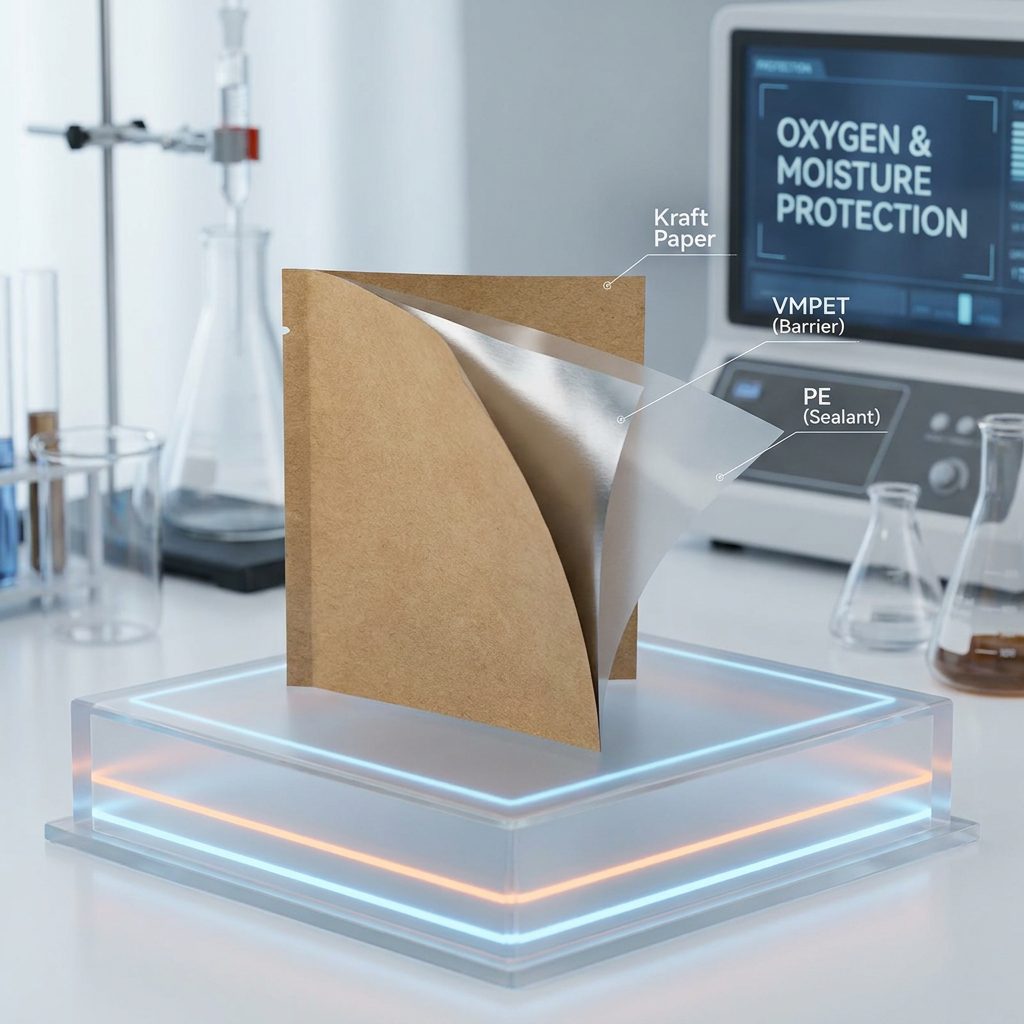
The performance of the film is largely determined by its layered structure:
Typically made from Polyester (PET) or Polypropylene (PP). PET offers superior clarity, scratch resistance, and dimensional stability, while PP is a more cost-effective option with good rigidity.
A heat-activated adhesive, usually EVA (Ethylene-Vinyl Acetate) or polyethylene-based. This layer melts under specific temperatures to bond the film to the substrate.
A silicon-coated backing paper that protects the adhesive layer until it is fed into the laminating machine.
Frequently Asked Questions (FAQ)
General Questions
Q: What is the main difference between hot and cold lamination?
A: The core difference lies in the bonding process. Hot lamination uses heat to activate a thermal adhesive, creating a permanent, sealed bond around the edges. Cold lamination uses pressure-sensitive adhesive at room temperature, which can be prone to edge lifting over time and offers less protection against moisture ingress. Hot lamination is generally considered more durable and professional.
Q: Can I hot laminate photographs or documents with thermal ink?
A: You must exercise caution. Standard hot laminating temperatures can cause ink from inkjet printers or dye-sublimation prints to smudge or bleed. For these materials, it is crucial to use a Low-Temperature Hot Laminated Film and perform a test run. Alternatively, allow the prints to cure completely for 24 hours before laminating.
Q: How do I prevent bubbles or wrinkles during lamination?
A: Bubbles and wrinkles are often caused by improper machine setup or technique. Ensure the laminator is fully preheated to the film's specified temperature. Feed the document squarely and steadily, centered between the film edges. Check that the pressure rollers are clean and evenly engaged. Using a carrier sheet can also help guide delicate items through smoothly.
Technical & Operational Questions
Q: What does "mil" thickness mean, and how do I choose the right one?
A: A "mil" is one-thousandth of an inch (1/1000"). It is the standard unit for measuring laminate thickness. For everyday document protection (e.g., posters, instructional sheets), 3 mil (front and back = 6 mil total) is common. For items requiring more rigidity like ID cards, menus, or frequent-handle tags, 5 mil to 10 mil per side is recommended. Always consider the final thickness your cornering or punching equipment can handle.
Q: My laminated item is curling. What went wrong?
A: Curling is typically a result of moisture imbalance or thermal shock. Paper is hygroscopic and contains moisture. If the heat is too high or the speed too slow, moisture can turn to steam and cause the paper to contract as it cools, pulling the laminate into a curl. To fix this, use the correct temperature setting, ensure proper machine speed, and allow the laminated item to cool under a flat, weighted surface (like a book). Storing film in a climate-controlled environment also helps.
Q: Can I run a laminated piece back through the machine to fix an error?
A: It is not recommended. Re-laminating an already laminated sheet exposes it to extreme heat again, which can cause further warping, bubbling, or even melt the existing laminate. It is almost always better to start with a fresh document if possible. For minor edge seals, a desktop pouch laminator can sometimes be used as a spot fix, but results vary.
Machine & Film Compatibility
Q: Is any Hot Laminated Roll Film compatible with any hot roll laminator?
A: Not necessarily. While many films are designed for broad compatibility, you must check key specifications: Width (must fit your rollers), Core Size (must fit your spindle), and Maximum Thickness (your machine must have sufficient roller gap and heating power for thick films). Always consult both your laminator manual and the film's technical data sheet.
Q: How should I store unused rolls of laminating film?
A: Proper storage is critical to prevent performance issues. Store rolls upright in a cool, dry place away from direct sunlight and heat sources. The ideal environment is at room temperature (around 68-72°F / 20-22°C) with moderate humidity. Keep the film in its original plastic packaging until ready to use to protect it from dust and moisture. Do not store in basements or attics where temperatures and humidity fluctuate.
Q: What routine maintenance does a hot roll laminator require?
A: Regular maintenance ensures consistent quality and extends machine life. Key tasks include: daily cleaning of the heated rollers with a recommended cleaning sheet or isopropyl alcohol on a soft cloth; periodic inspection and cleaning of the film path guides to prevent scratching; and checking the tension settings for the film feed and take-up mechanisms as per the manufacturer's instructions. Always power down and unplug the machine before cleaning.
- View as
Hot Laminated Roll Film for Other
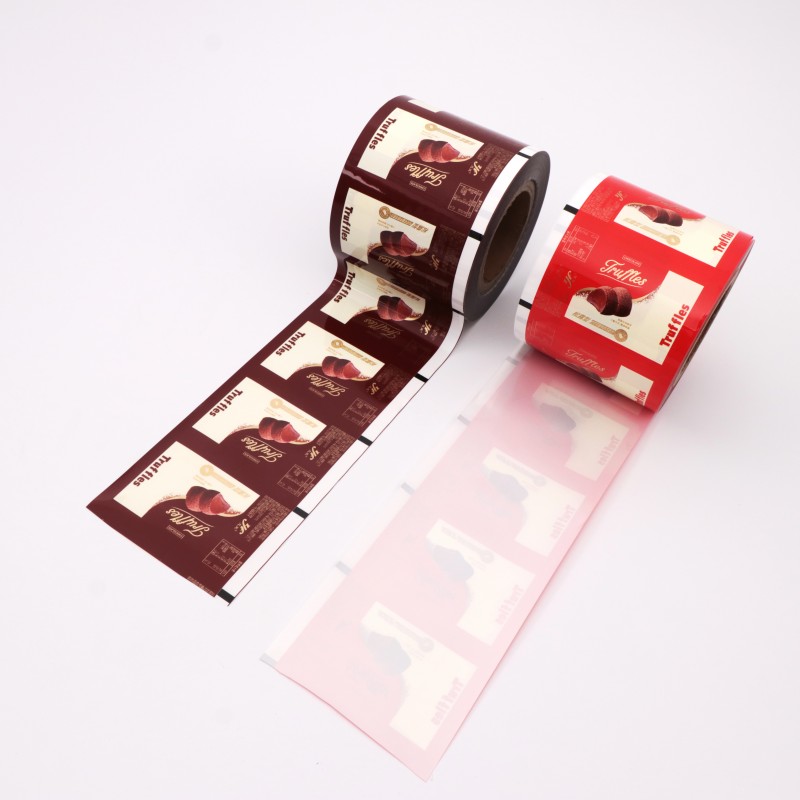
The high-quality Hot Laminated Roll Film for Other, supplied by Wanle manufacturer, is different from food packaging, it is not used for food packaging. It is specially designed for packaging various non-food small items. The core is still hot-pressing sealing, just heat it up with a special tool, and the seal will be extremely strong, not even easy to tear open.
Pet Food Hot Laminated Roll Film
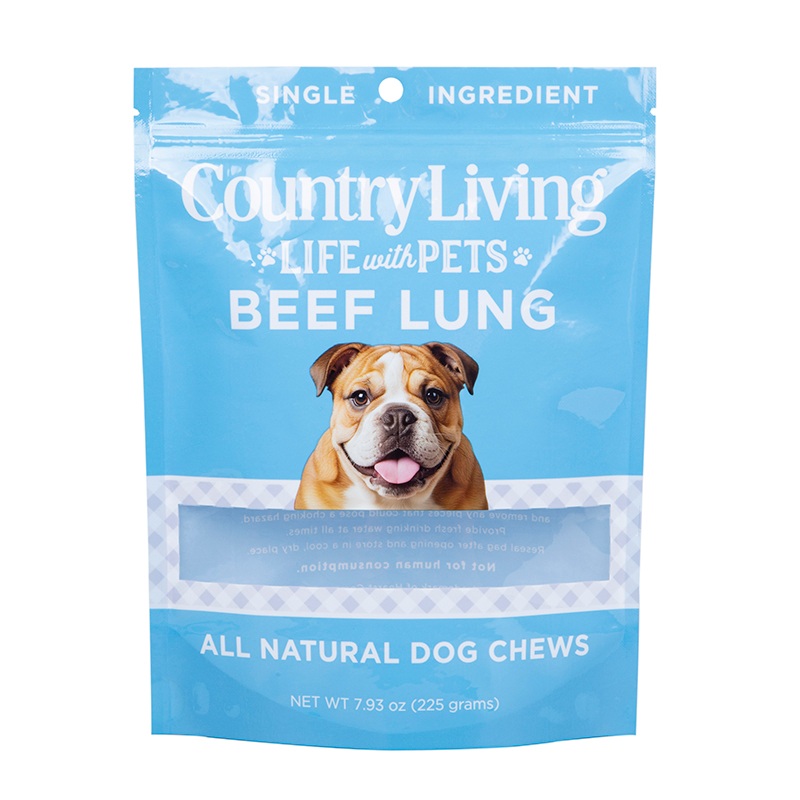
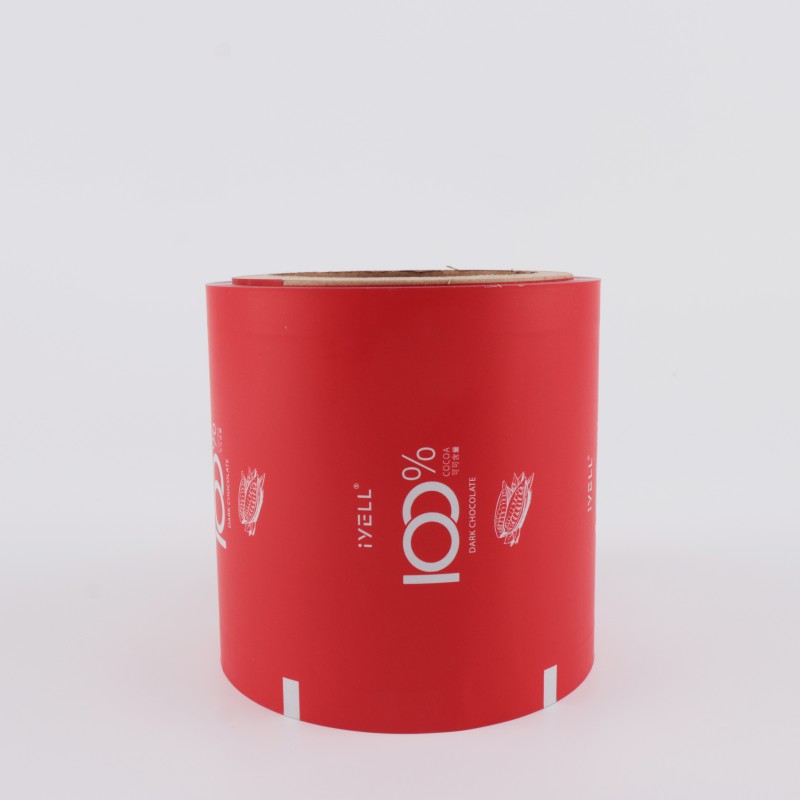
Wanle 's China Pet Food Hot Laminated Roll Film is a packaging material for pet food such as cat food and dog food, it is heated and sealed with a heat-sealing tool, which is different from ordinary plastic bags. After heat pressing, the seal is particularly firm. It is mainly used to lock in the freshness of pet food and prevent contamination, the material is of contact grade for pet food and will not have strange odors that affect the pet's appetite for meals.
Chemical Powder Hot Laminated Roll Film
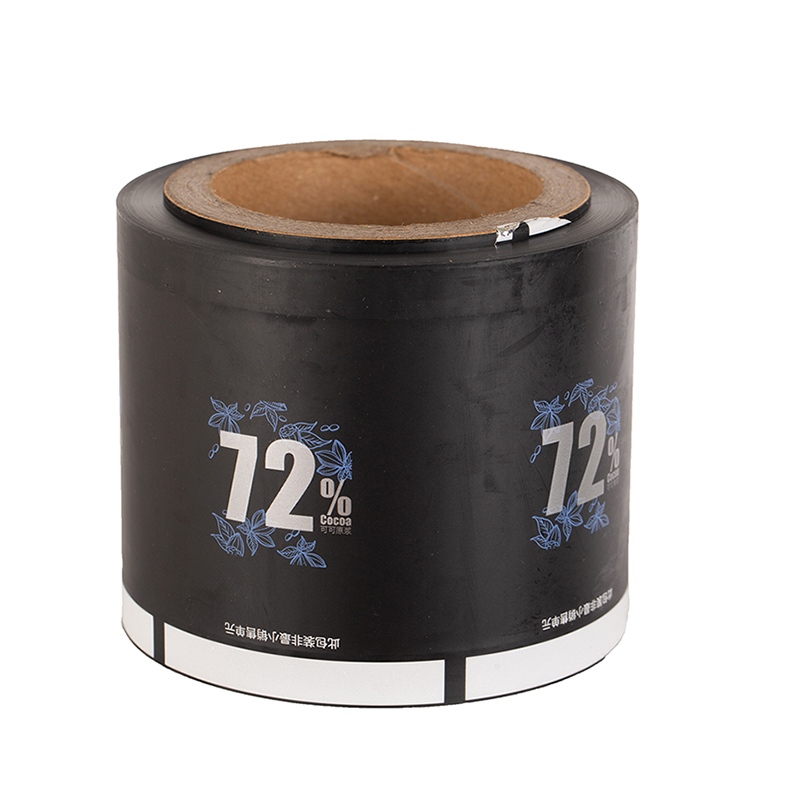
The high-quality Chemical Powder Hot Laminated Roll Film produced by Wanle manufacturer is a customized packaging material for all kinds of chemical powders, which is completely different from food. The material has undergone specialized chemical resistance tests. It will not be corroded by common powders and will not react with them, making it particularly safe to use.
Food Hot Laminated Roll Film
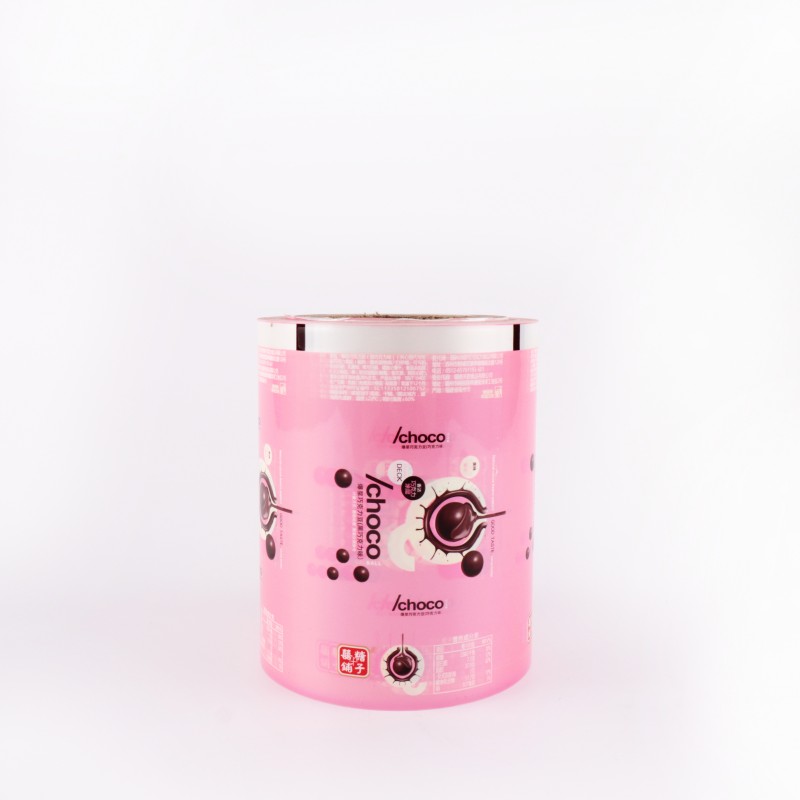
The Food Hot Laminated Roll Film supplied by the Wanle factory is a food packaging film that can be sealed with a heat-sealing tool, which is different from cold folding. The seal is particularly firm after heat pressing. The material has specially passed the food contact test, whether it is used to hold warm cooked food or raw and cold ingredients, there will be no unpleasant smell seeping out, you can use it with peace of mind.
As a reliable Hot Laminated Roll Film manufacturer and supplier in China, we have custom options and volume discount pricing. Please just send us a quotation!