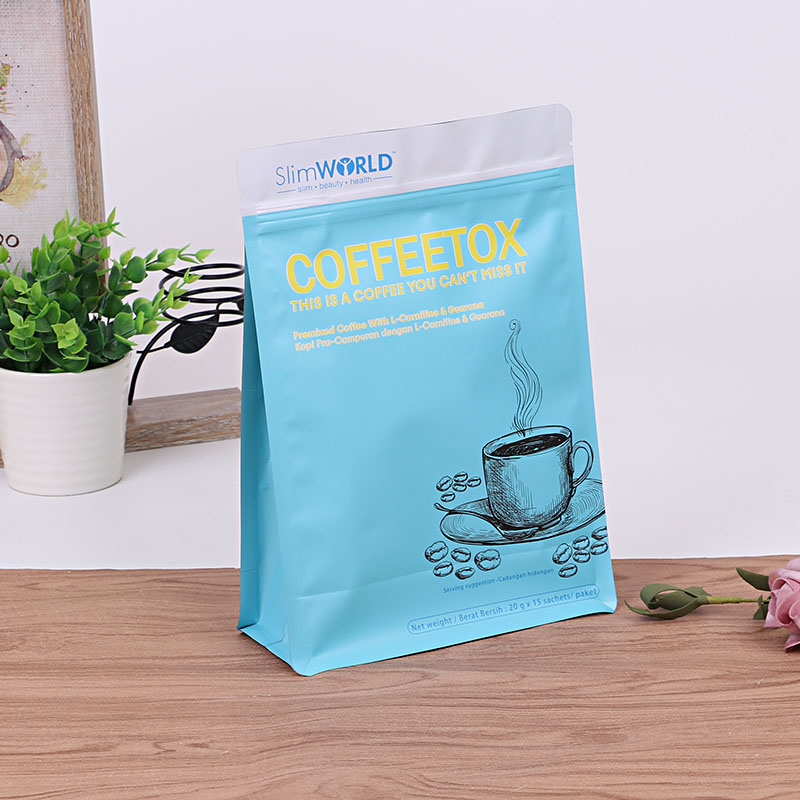

HOME > Products
High cost performance Chemical and Powder Packaging
Chemical and Powder Packaging: The Definitive Guide for Industrial Suppliers
In the demanding world of industrial materials, the integrity of your product is only as good as the package that contains it. Chemical and powder packaging is not merely a container; it's a critical component of your supply chain, impacting safety, purity, shelf life, and overall operational efficiency. As a specialized supplier with decades of experience, we engineer packaging solutions that meet the rigorous standards of sectors such as pharmaceuticals, agrochemicals, food additives, construction materials, and specialty chemicals. This guide delves into the technical parameters, material science, and design considerations that define superior chemical and powder packaging.
Core Packaging Solutions & Their Applications
Selecting the correct packaging type is paramount. Each solution is designed to address specific challenges related to product characteristics, handling, and transportation.
- Flexible Intermediate Bulk Containers (FIBCs / Bulk Bags): The workhorse for dry flowable powders and granules. Ideal for quantities from 500kg to 2000kg. They offer excellent strength-to-weight ratios and can be customized with liners (polyethylene, aluminum, static dissipative) for moisture, contamination, or safety control.
- Multi-Wall Paper Sacks: A traditional and cost-effective solution for a wide range of powders, from cement to food-grade products. Available in 2-6 ply constructions with kraft or poly-coated inner layers for barrier protection. Valve sacks enable clean, dust-free filling.
- Rigid Intermediate Bulk Containers (RIBCs / Composite IBCs): Combining a rigid outer cage (steel or plastic) with an inner bottle (HDPE, LLDPE) or liner. Provides superior stackability, protection from physical damage, and is often reusable, making it suitable for hazardous or high-value chemicals.
- Drums (Steel, Plastic, Fibre): Versatile containers for both liquid chemicals and dense powders. Steel drums offer supreme strength for hazardous materials; plastic drums (HDPE) provide excellent chemical resistance for corrosive products; fibre drums are lightweight and often used for less hazardous powders.
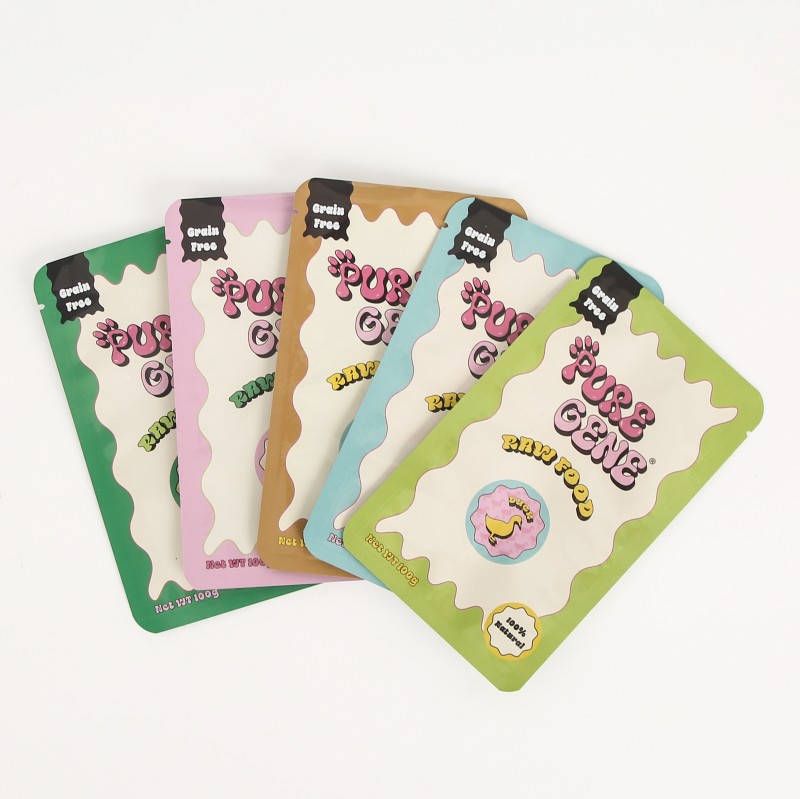
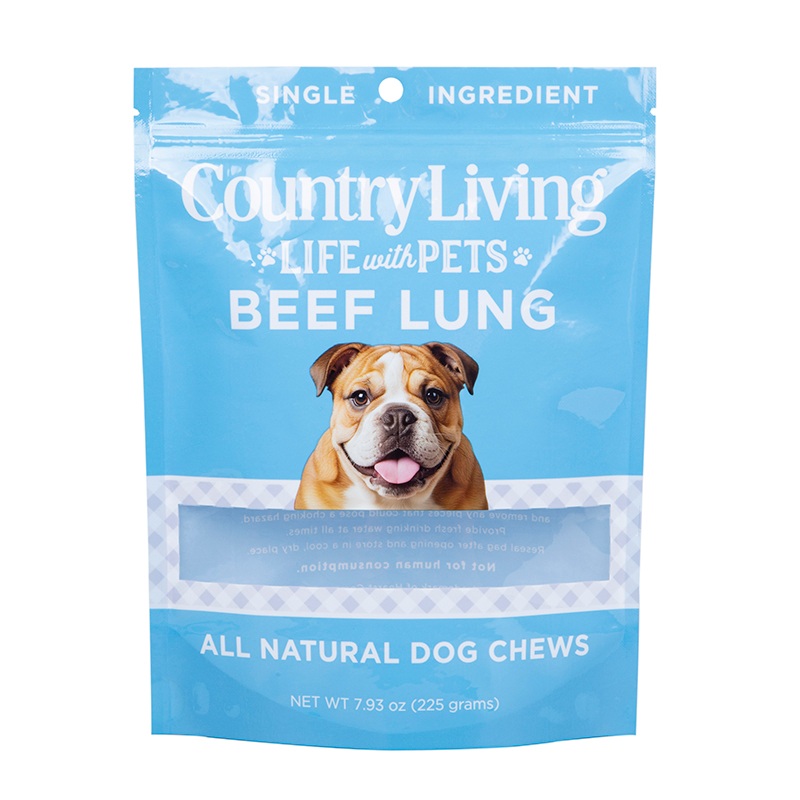
- Pouches & Bags (Stand-up, Flat Bottom): For smaller, precise quantities typically ranging from 1kg to 25kg. These are often used for retail or batch production. High-barrier laminated films ensure product freshness and prevent caking.
Chemical and Powder Packaging: Frequently Asked Questions (FAQ)
Q: How do I choose between a Flexible Intermediate Bulk Container (FIBC) and a Rigid IBC (RIBC) for my powder?
A: The choice hinges on product characteristics, logistics, and cost. FIBCs are generally more cost-effective for one-way shipments of non-hazardous, dry flowables. They are lightweight and collapsible, saving on return freight and storage. RIBCs are preferable for hazardous materials requiring UN certification, for products needing extra physical protection (stacking, rough handling), or in closed-loop systems where reusability (often 5-10 trips) offers a lower cost per trip. RIBCs also offer better compatibility with automated handling systems.
Q: What are the critical factors in preventing moisture absorption or caking in powder packaging?
A> Moisture protection is a multi-layered approach. First, select a high-barrier material such as a laminated film with aluminum foil or metallized layers for pouches, or specify a thick polyethylene liner (150-200 micron) inside an FIBC. For paper sacks, opt for poly-coated inner plies. Second, ensure the packaging seam or closure is hermetic; heat sealing is superior to stitching for moisture sensitivity. Third, consider incorporating a desiccant pouch within the primary packaging for highly hygroscopic products. Finally, control the storage environment post-packaging.
Q: What does the Safety Factor (SF) 5:1 or 6:1 mean on an FIBC, and why is it important?
A> The Safety Factor is a non-negotiable safety standard. An SF of 5:1 means the bag's actual breaking strength is five times its stated Safe Working Load (SWL). If an FIBC is rated for 1000kg (SWL), it must withstand a force equivalent to 5000kg before failure. This margin accounts for dynamic forces during lifting (swinging, sudden stops), uneven weight distribution, potential overfilling, and material fatigue. It is a fundamental requirement to prevent catastrophic failure during handling.
Q: When is UN-certified packaging legally required for chemical and powder shipments?
A> UN certification is mandated by international transport regulations (IMO, IATA, ADR) when shipping substances classified as dangerous goods. This includes flammable solids, substances liable to spontaneous combustion, substances which emit flammable gases when in contact with water, oxidizing substances, and toxic or corrosive powders. The manufacturer must provide the UN mark on the packaging, which includes codes for the packaging type, material, and performance level passed. Using non-certified packaging for hazardous materials is illegal and carries significant liability.
Q: Can chemical and powder packaging be designed for sustainability and end-of-life?
A> Absolutely. Sustainable options are a major focus. For FIBCs, choose bags made from virgin, recyclable polypropylene which can be granulated and repurposed. Many FIBCs and liners are also designed for single-trip use and can be processed in waste-to-energy facilities. Paper sacks are inherently recyclable and biodegradable. A growing trend is the shift to circular models using RIBCs with reusable inner bottles, drastically reducing plastic waste. We also offer packaging made with recycled content where product safety allows, and can advise on the most sustainable lifecycle for your specific application.
Q: What information is essential for a supplier to provide an accurate packaging recommendation?
A> To engineer the optimal solution, provide as much detail as possible: 1) Product Details: Full chemical name, physical form (fine powder, granules, flakes), bulk density (kg/m³), moisture sensitivity, and any hazardous classification (UN number, hazard class). 2) Logistics: Required fill weight/volume, mode of transport (ship, truck, rail), storage conditions (indoors/outdoors, duration), and handling method (forklift, gripper, manual). 3) Process Requirements: Filling method (gravity, pneumatic, auger), discharge method (gravity, tipping station), and any need for liners, spouts, or tracking (RFID tags).
- View as
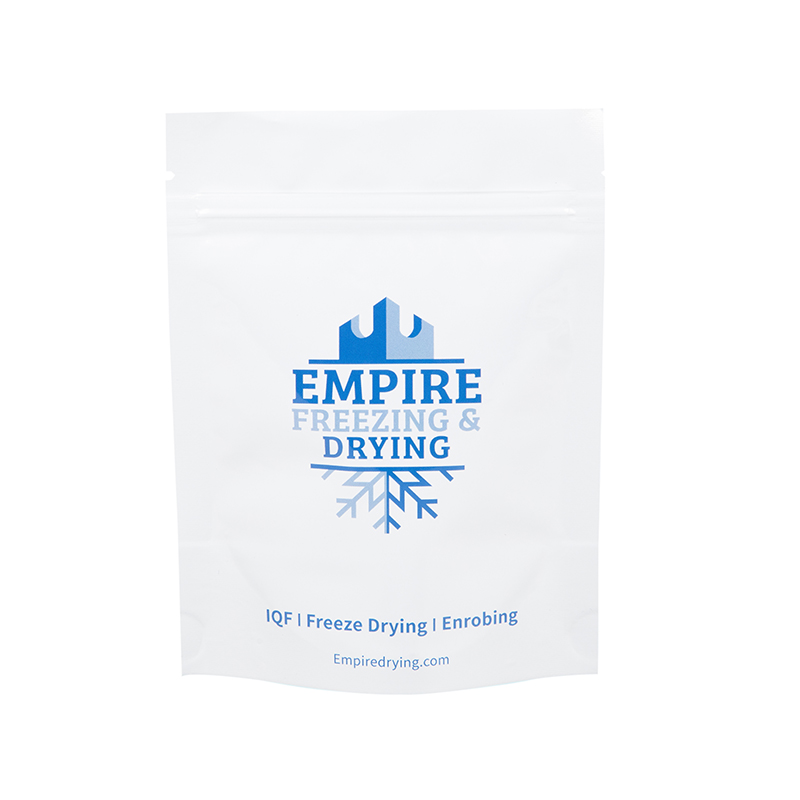
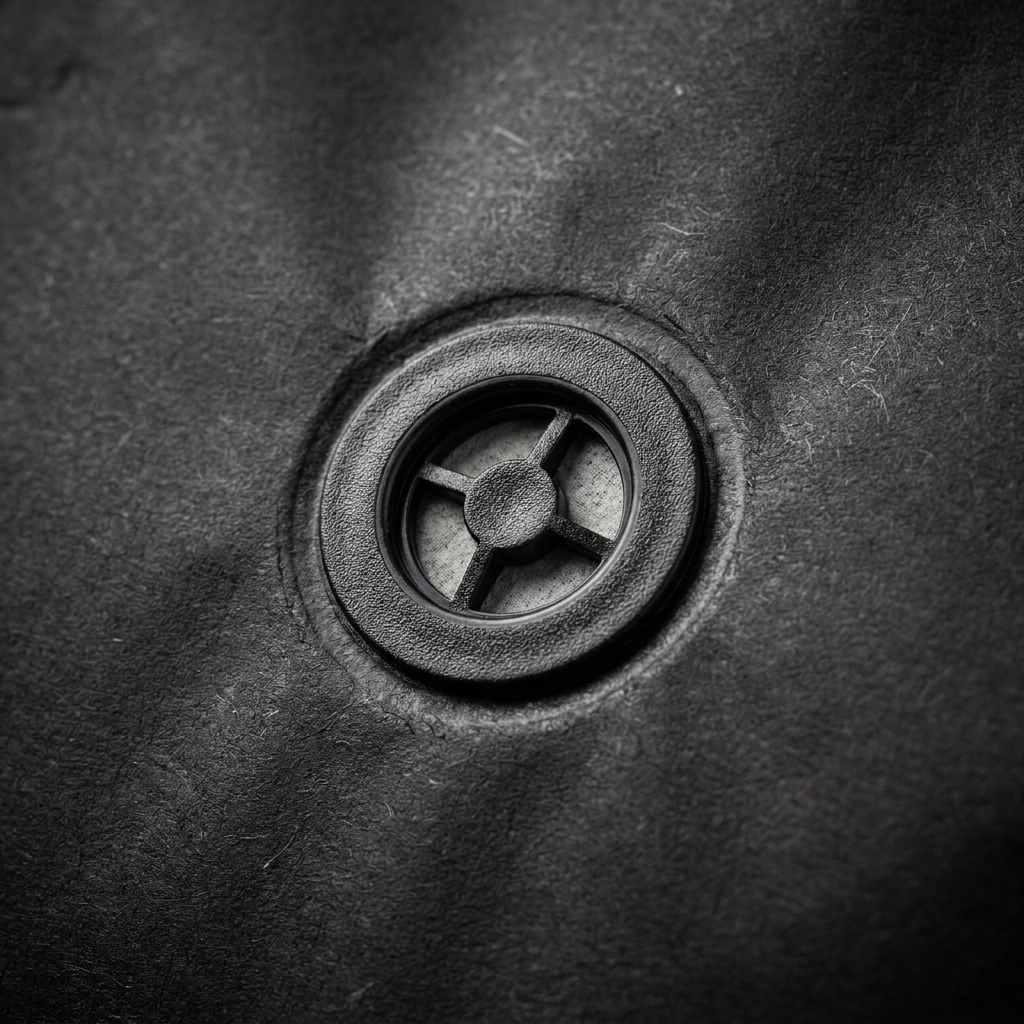
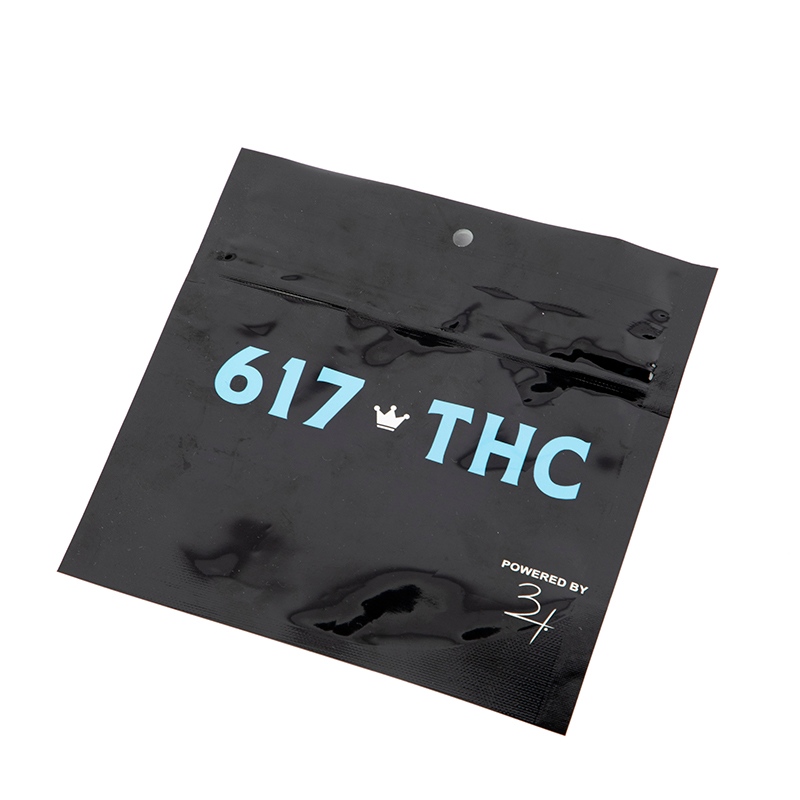
Chemical And Powder Bag with Zipper
The Chemical And Powder Bag with Zipper supplied by Wanle Factory is designed for the convenient storage of all kinds of chemical materials and powders, the bag body is made of durable material. It feels thick and resilient. It can hold common chemical reagents or fine powder and granular powder without any problem, it won't be easily corroded or worn through.
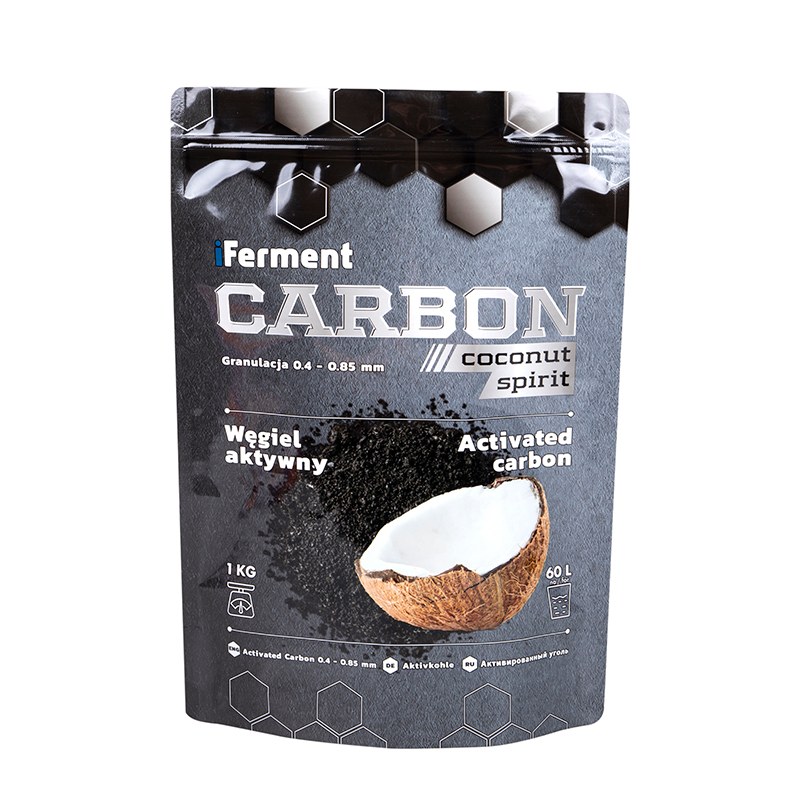
Chemical And Powder Flat Bottom Bag
The Chemical And Powder Flat Bottom Bag manufactured by Wanle suppliers is a specially tailored packaging for chemical reagents and various powder materials, we have chosen a special material that is resistant to chemical corrosion, it is safe for storing common powders or chemical products and will not deform or leak easily.
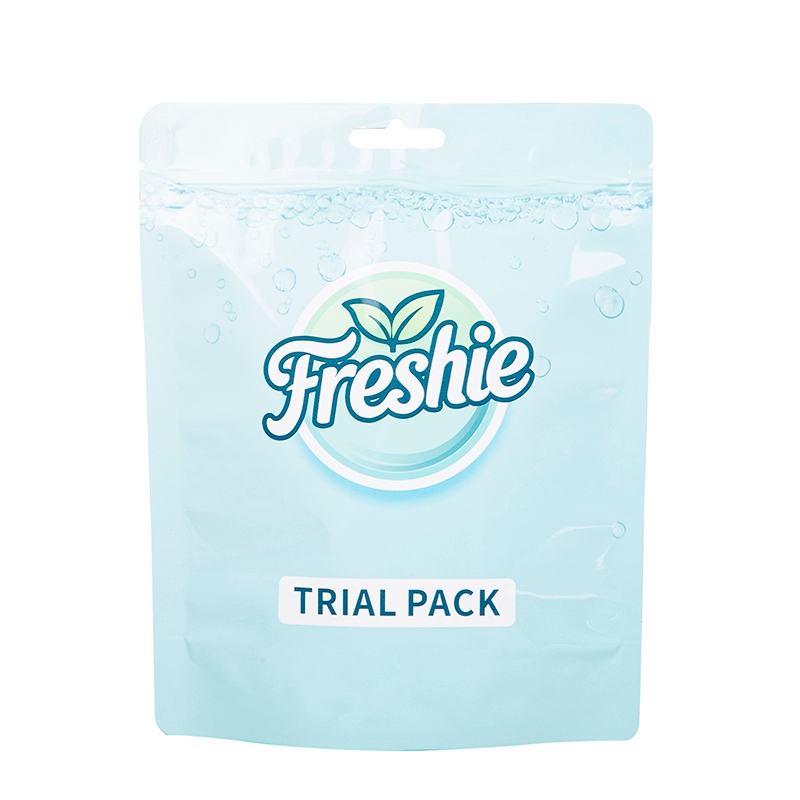
Chemical And Powder Doypack Pouch
The Wanle factory specializes in manufacturing high-quality Chemical And Powder Doypack Pouch, this product is a practical packaging specially designed for various chemical products and powder materials. The bag body feels thick and resilient, it is made of special materials that are suitable for chemical properties and will not be easily corroded.
As a reliable Chemical and Powder Packaging manufacturer and supplier in China, we have custom options and volume discount pricing. Please just send us a quotation!