
HOME > News
What Is Hot Laminated Roll Film and How Does It Improve Packaging Durability
Article Summary: Hot laminated roll film has become a critical material in modern packaging, printing, and industrial protection. This in-depth guide explains what hot laminated roll film is, how it works, its materials, benefits, applications, and how to choose the right type for your business. With practical insights and industry comparisons, this article helps manufacturers, printers, and brand owners understand why hot lamination remains a preferred solution for durability, aesthetics, and performance.

Table of Contents
- What Is Hot Laminated Roll Film?
- How Does Hot Laminated Roll Film Work?
- Common Materials Used in Hot Laminated Roll Film
- Key Benefits of Hot Laminated Roll Film
- Major Applications Across Industries
- Hot Laminated vs Cold Laminated Film
- How to Choose the Right Hot Laminated Roll Film
- Quality Standards and Performance Factors
- Sustainability and Future Trends
- Frequently Asked Questions (FAQ)
1. What Is Hot Laminated Roll Film?
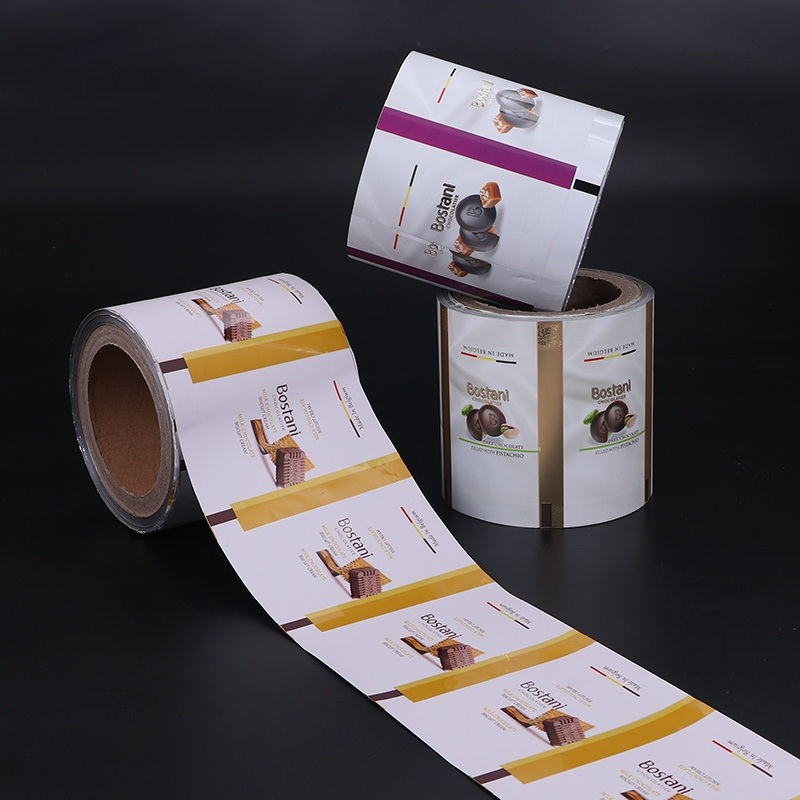
Hot laminated roll film is a type of thermal lamination film that uses heat and pressure to bond a plastic film layer onto printed or non-printed substrates. The film is supplied in roll form and is coated with a heat-activated adhesive that melts during lamination, creating a strong and permanent bond.
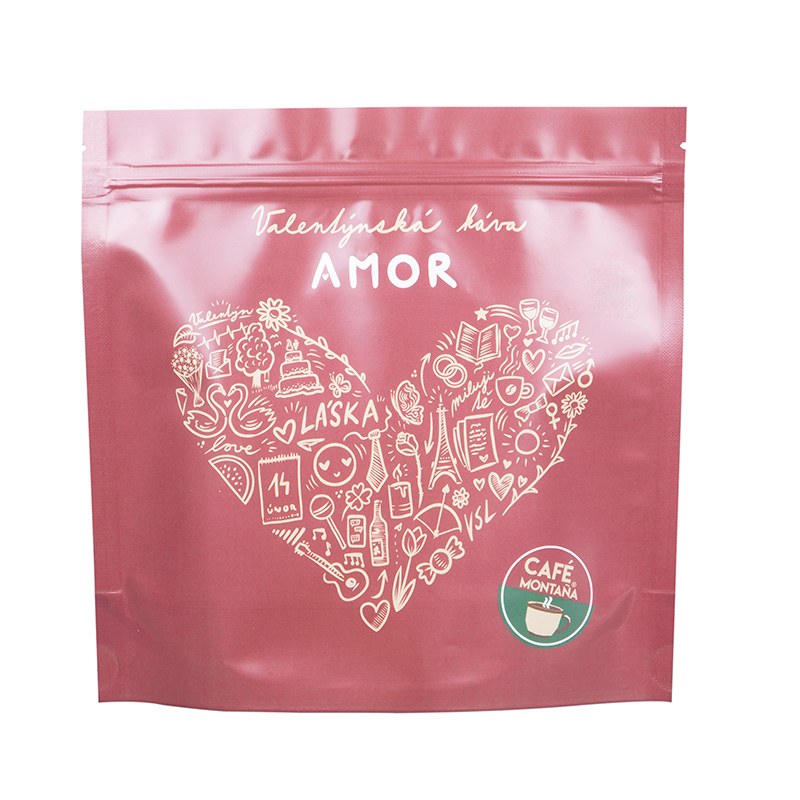
This process significantly improves the durability, appearance, and functionality of packaging and printed products. Hot laminated roll film is widely used in:
- Flexible packaging
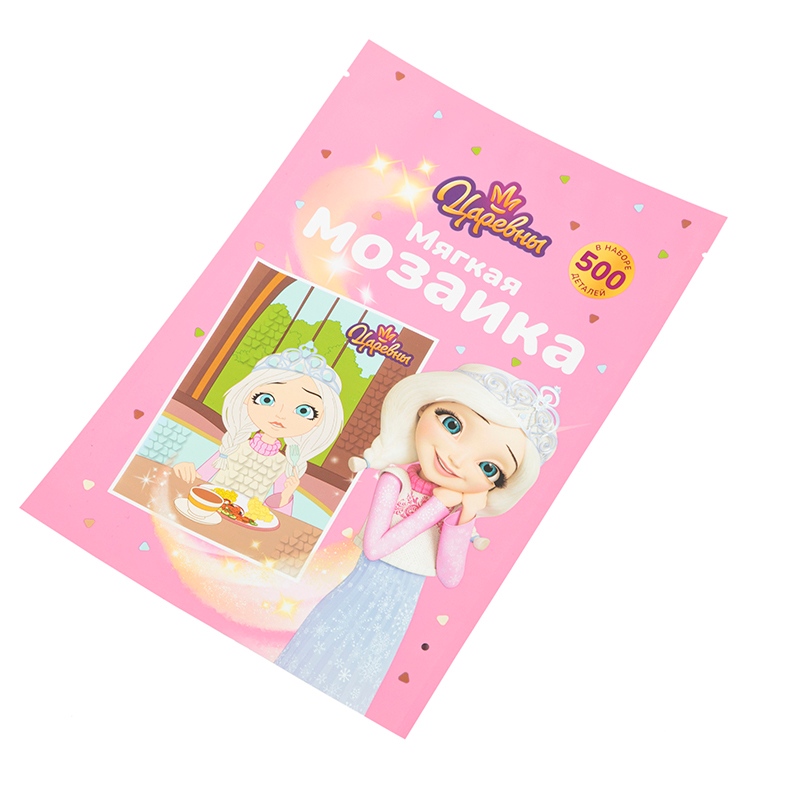
- Commercial printing
- Labels and cartons
- Industrial protection films
Manufacturers like Wanle specialize in producing high-quality hot laminated roll film designed for consistent adhesion, clarity, and mechanical strength. For more technical specifications, you can explore hot laminated roll film solutions directly.
2. How Does Hot Laminated Roll Film Work?
The hot lamination process relies on controlled heat, pressure, and speed. Unlike cold lamination, which uses pressure-sensitive adhesives, hot lamination activates a resin-based adhesive through heat.
Step-by-Step Process:
- The film roll is fed into a thermal laminating machine.
- Heat melts the adhesive layer on the film.
- Pressure rollers press the film onto the substrate.
- The adhesive cools and solidifies, forming a permanent bond.
This method ensures superior bonding strength and resistance to moisture, abrasion, and chemicals, making it ideal for demanding applications.
3. Common Materials Used in Hot Laminated Roll Film
| Material | Characteristics | Typical Applications |
|---|---|---|
| BOPP | High clarity, cost-effective, good stiffness | Food packaging, printed materials |
| PET | High heat resistance, strong tensile strength | Premium packaging, industrial use |
| CPP | Flexible, excellent sealability | Flexible packaging laminates |
| Nylon (PA) | Excellent puncture resistance | Vacuum and retort packaging |
4. Key Benefits of Hot Laminated Roll Film
- Enhanced Durability: Protects against tearing, moisture, and abrasion.
- Improved Print Quality: Increases color vibrancy and gloss or matte finish.
- Strong Adhesion: Permanent bonding suitable for high-speed production.
- Extended Shelf Life: Acts as a barrier against oxygen and contaminants.
- Versatile Finishes: Available in glossy, matte, soft-touch, and anti-scratch options.
5. Major Applications Across Industries
Packaging Industry
- Food pouches
- Snack and confectionery packaging
- Frozen and dry food packaging
Printing & Publishing
- Book covers
- Brochures
- Magazines
Industrial & Commercial
- Protective surface films
- Instruction manuals
- Technical labels
6. Hot Laminated Roll Film vs Cold Laminated Film
| Feature | Hot Laminated Film | Cold Laminated Film |
|---|---|---|
| Adhesion Method | Heat-activated adhesive | Pressure-sensitive adhesive |
| Bond Strength | Very strong and permanent | Moderate |
| Production Speed | High-speed compatible | Slower |
| Cost Efficiency | Lower cost per unit | Higher material cost |
7. How to Choose the Right Hot Laminated Roll Film
When selecting hot laminated roll film, consider the following factors:
- Substrate compatibility
- End-use environment (heat, moisture, chemicals)
- Required finish (glossy, matte, soft-touch)
- Machine specifications
- Regulatory and food safety requirements
Working with experienced manufacturers like Wanle ensures consistent quality, customized specifications, and reliable supply.
8. Quality Standards and Performance Factors
- Adhesive melting point consistency
- Uniform thickness tolerance
- Optical clarity and haze control
- Heat resistance and curl resistance
High-quality hot laminated roll film improves production efficiency while reducing waste and rework.
9. Sustainability and Future Trends
With growing environmental concerns, the hot laminated roll film industry is evolving toward:
- Recyclable mono-material laminates
- Low-temperature adhesive coatings
- Reduced film thickness without performance loss
- Eco-friendly resin formulations
Companies like Wanle continue investing in sustainable packaging innovations to support global brands and converters.
10. Frequently Asked Questions (FAQ)
Q1: Is hot laminated roll film suitable for food packaging?
Yes. When produced with food-grade materials and compliant adhesives, it is widely used in food and snack packaging.
Q2: Can hot laminated film be used on high-speed machines?
Absolutely. Hot lamination is ideal for high-speed, large-volume production lines.
Q3: What thickness options are available?
Common thicknesses range from 12μm to 30μm, depending on material and application.
Q4: How long does hot laminated film last?
With proper storage and application, it offers long-term durability and shelf stability.
Conclusion: Hot laminated roll film plays a vital role in enhancing packaging durability, visual appeal, and functional performance. Whether you are in food packaging, printing, or industrial manufacturing, choosing the right lamination solution can significantly impact your product quality and brand perception.
If you are looking for reliable, high-performance hot laminated roll film solutions, Wanle is ready to support your project. Contact us today to discuss your requirements and discover how professional lamination materials can elevate your packaging.
Related News
- Cost Breakdown: Factors Affecting Wholesale Coffee Bag Prices
- Oxygen and Moisture Barriers: The Science of Coffee Freshness
- Why Your Coffee Bags Need One-Way Degassing Valves: The Science of Preservation
- Low MOQ Custom Coffee Bags: How Digital Printing is Leveling the Playing Field
- Wholesale Flat Bottom vs. Stand Up Pouches for Coffee: A Strategic Comparison TDK:
- Factory Audit Checklist for Coffee Packaging Suppliers: A Professional B2B Guide
Leave me a message